 language
 English
 Русский
 España
 Français
 عربي
عربي
 中文版
中文版
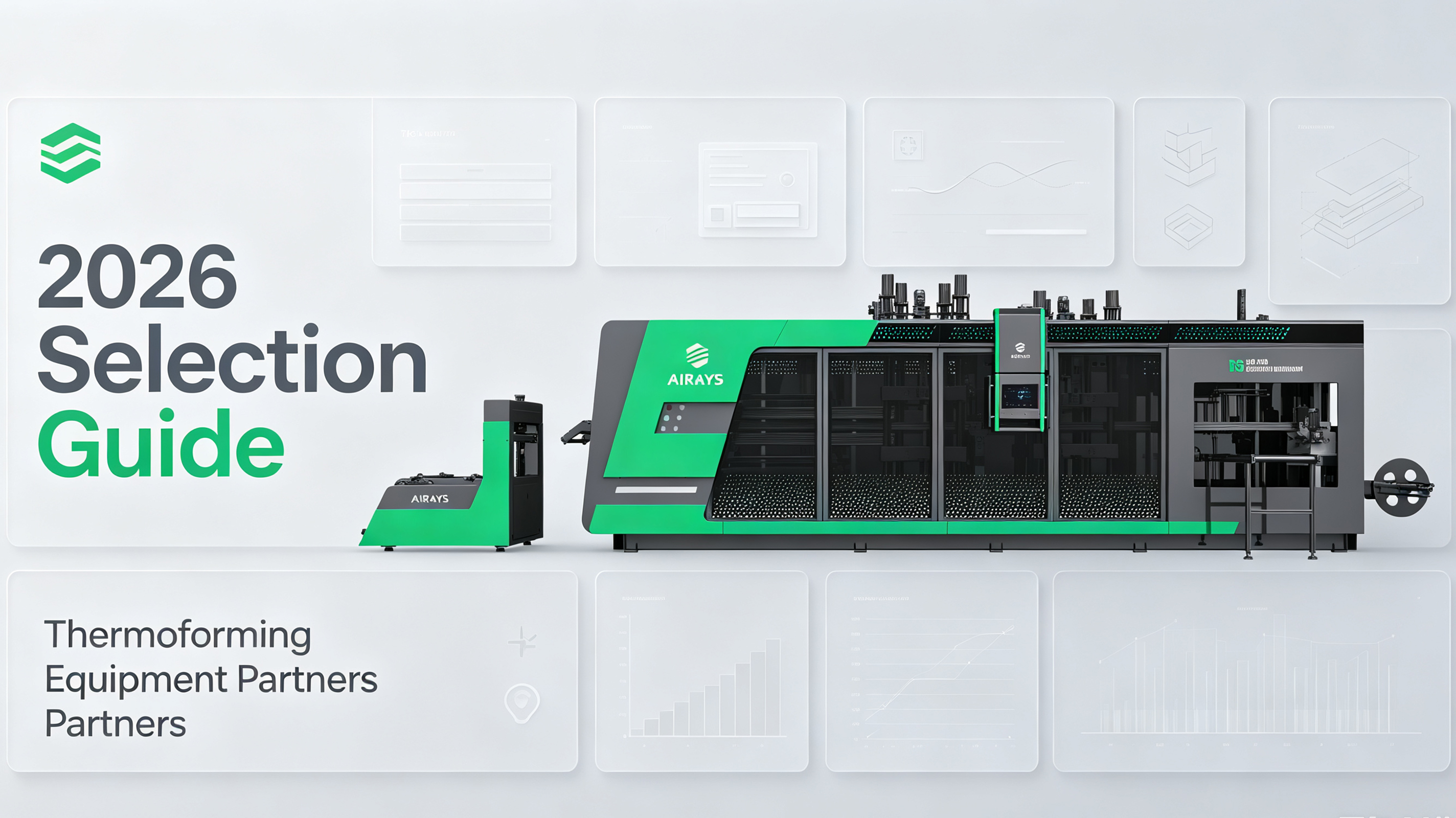
2026 Guide to Selecting Plastic Thermoforming Equipment: Key Criteria for Full Servo Multi-Station Integrated Machine Partners

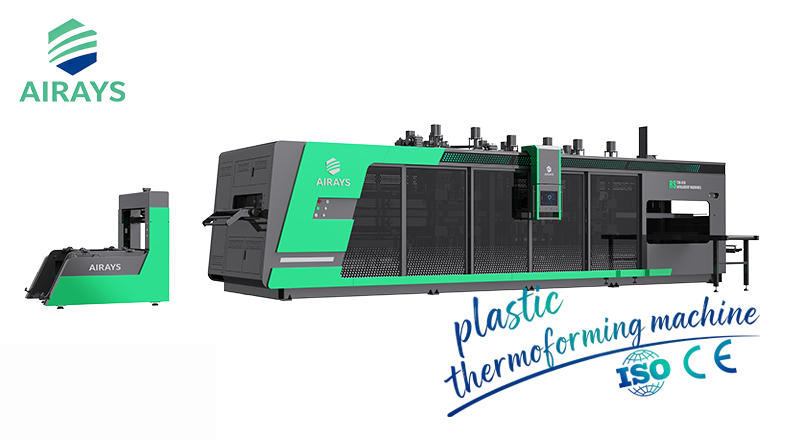
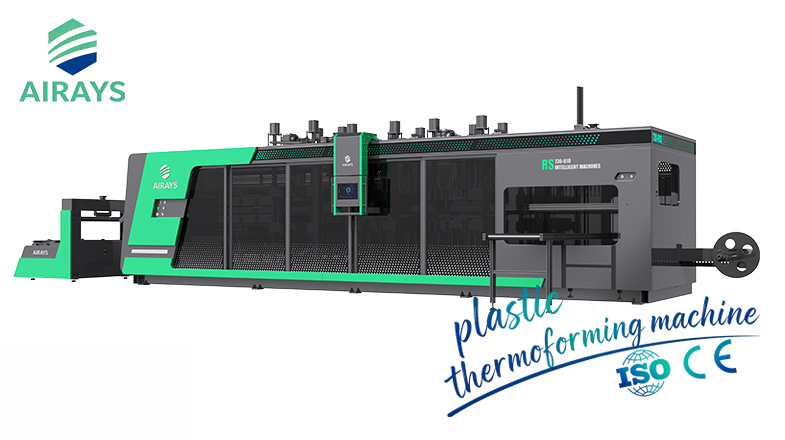
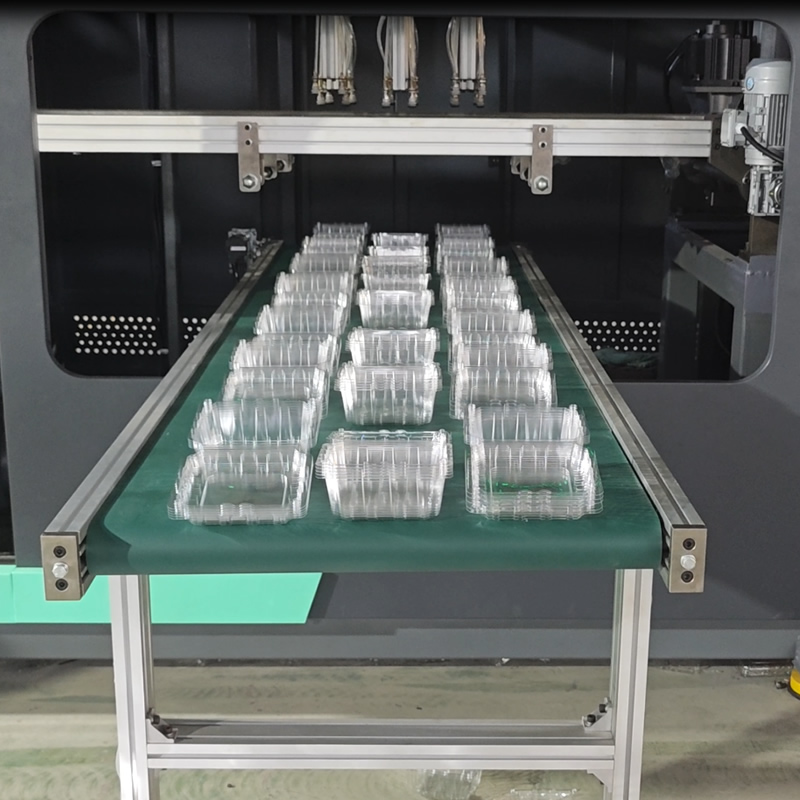
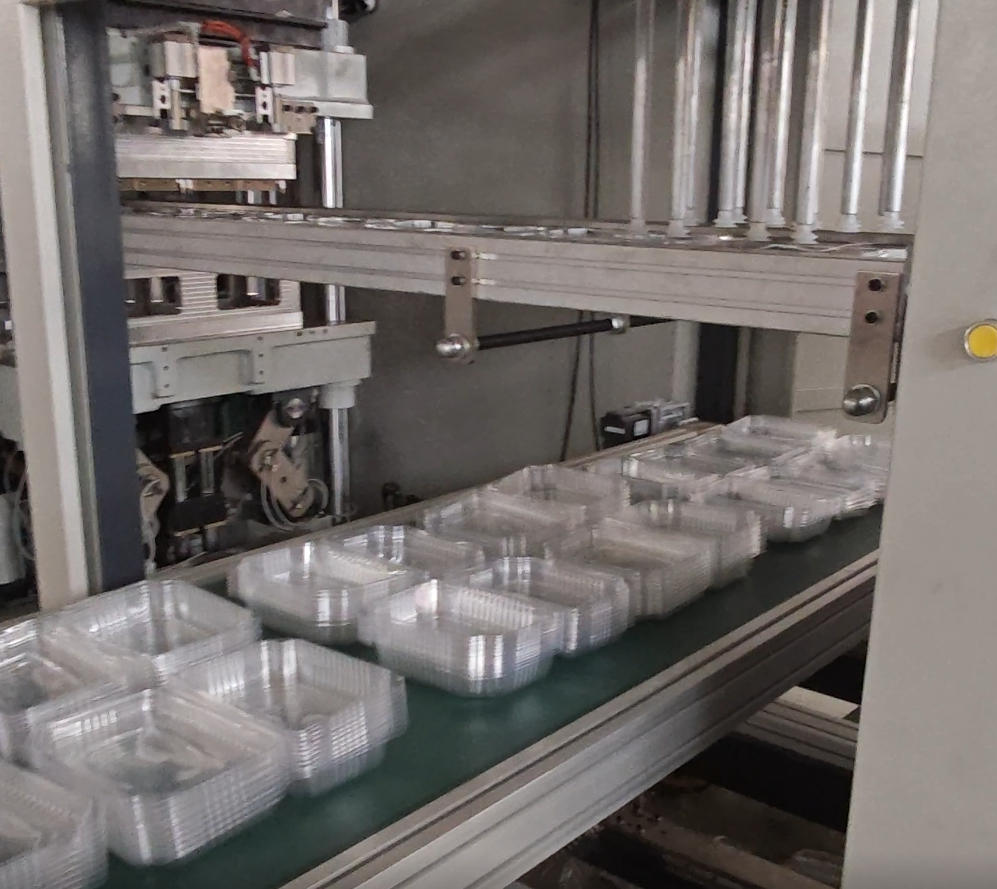
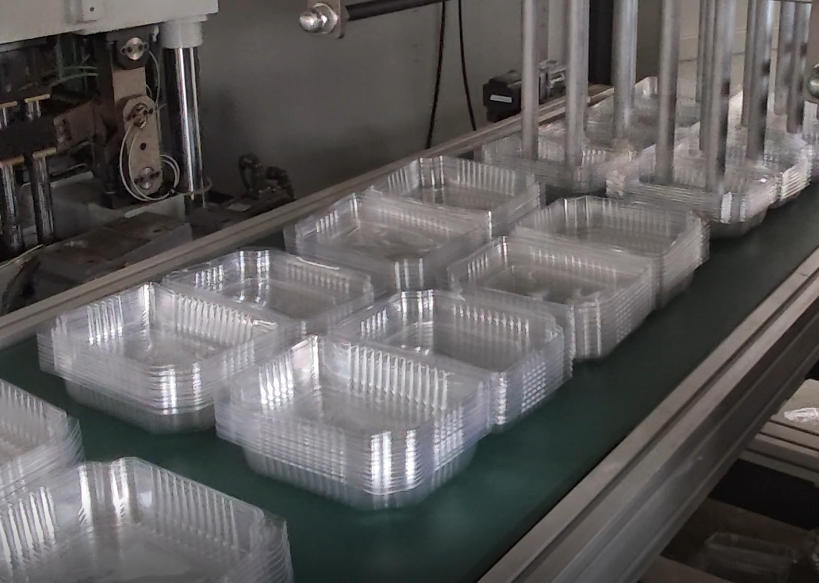
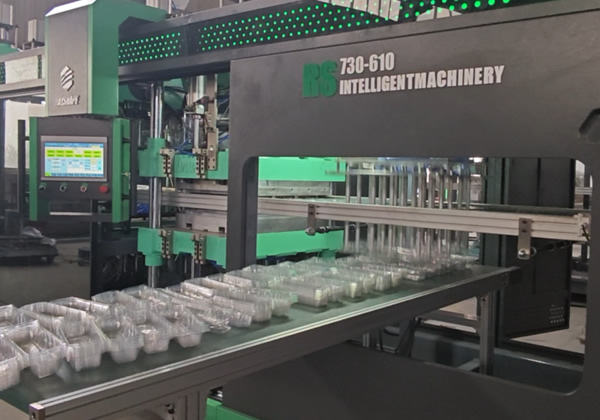
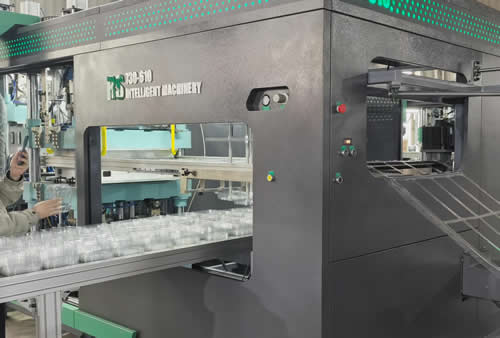
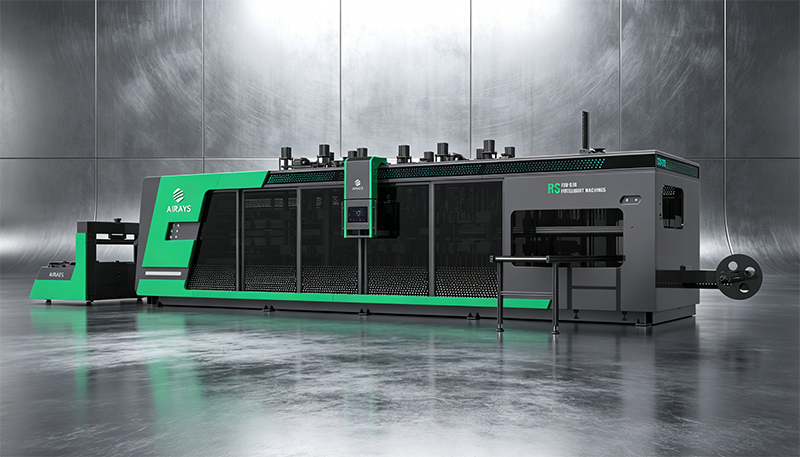
The core technical advantages of full servo positive-negative pressure multi-station integrated machines are concentrated in the comprehensive control of processing precision, adaptability and operational stability. Unlike single-function processing tools, these machines are complex systems integrating multi-process coordination, multi-material compatibility and multi-scenario adaptability. Their production and manufacturing involve the integration of technologies in multiple fields, including mechanical design, automatic control, temperature regulation and process adaptation. Currently, downstream customers not only require equipment to stably complete basic forming, but also expect it to solve long-standing industry pain points such as high defective product rates, low production changeover efficiency and high maintenance costs. This puts forward higher requirements for the technical accumulation and service capabilities of manufacturers of full servo positive-negative pressure multi-station integrated machines.
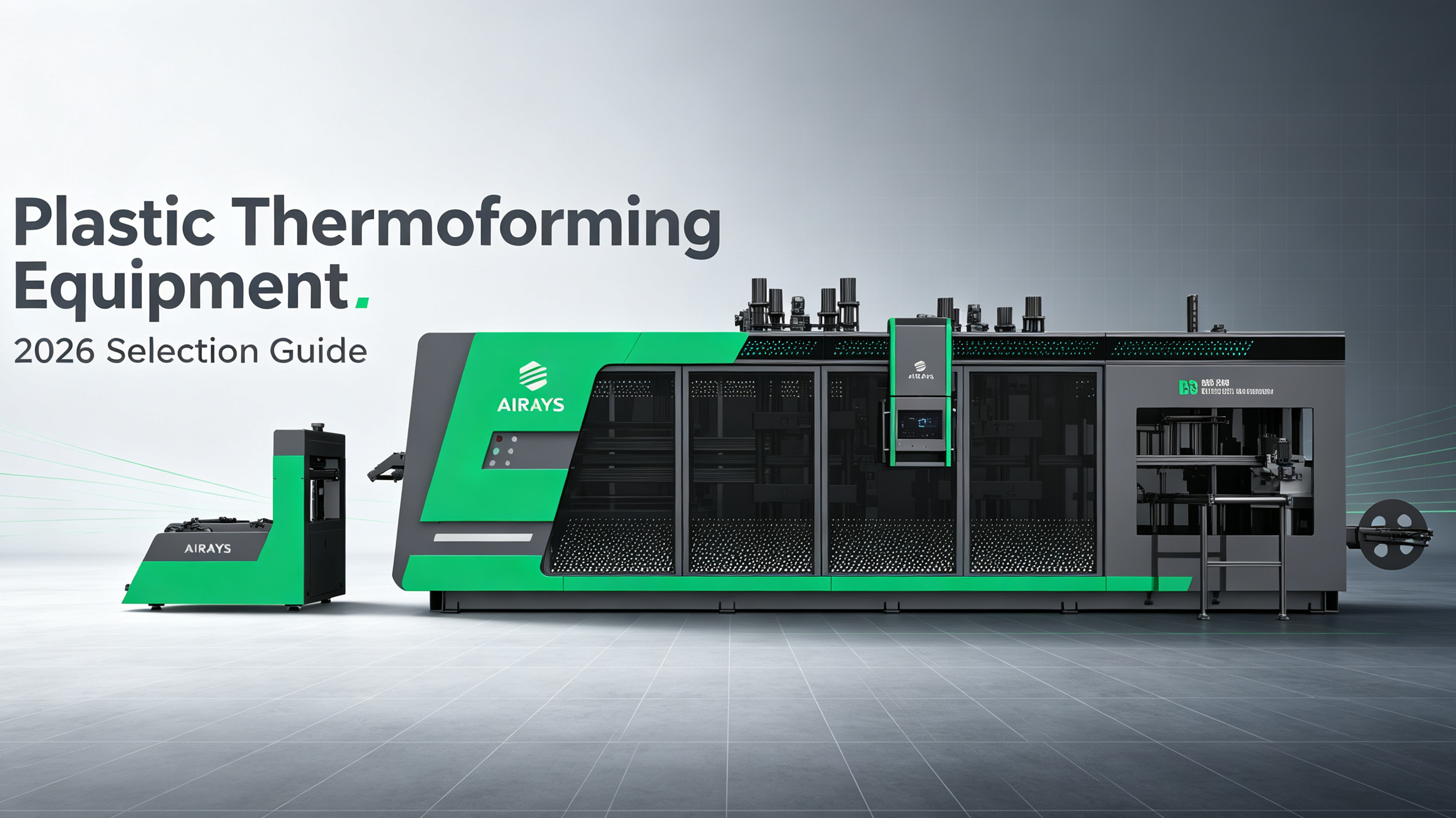
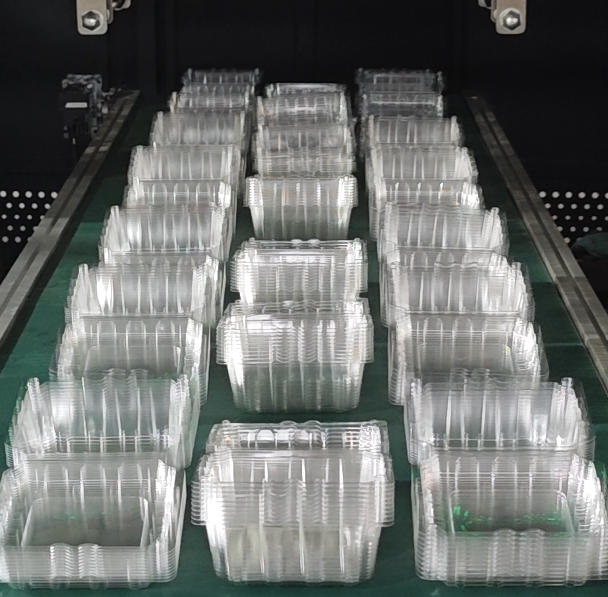
High-quality manufacturers of full servo positive-negative pressure multi-station integrated machines have in-depth insights into industry pain points and long-term technical R&D capabilities. The plastic thermoforming industry has long faced many core challenges: traditional single negative-pressure equipment is prone to defects such as thin edges, perforations and wrinkles when processing deep-cavity products; under the old whole-zone temperature control mode, plastic sheets are heated unevenly, resulting in high raw material loss; manual debugging during production changeover is cumbersome and time-consuming, which reduces the effective production hours of workshops and affects capacity utilization.
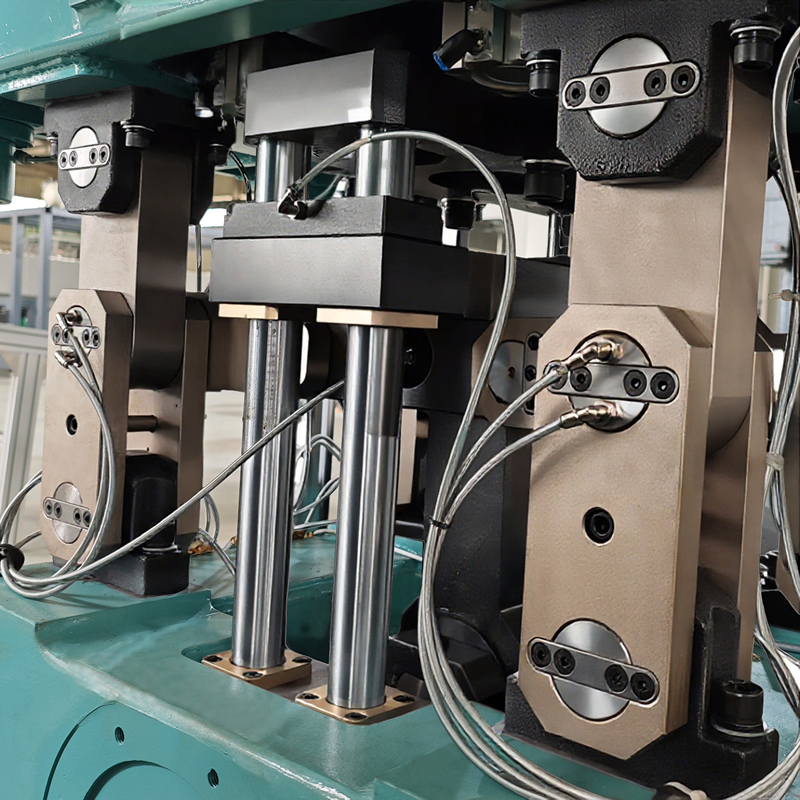
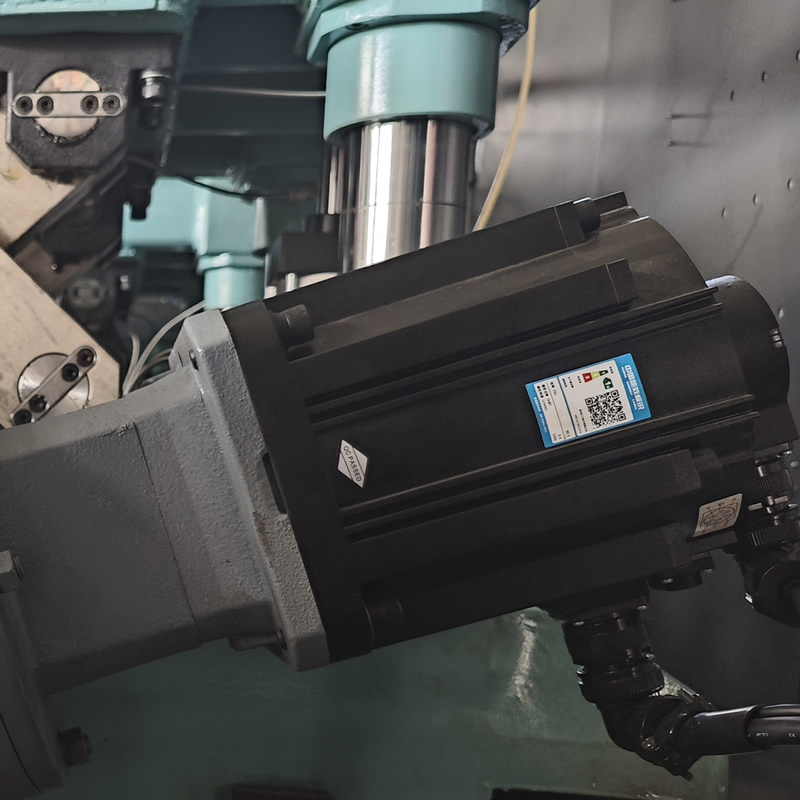
Reliable manufacturers take these pain points as the core direction of technical R&D, and polish equipment that better meets market needs through continuous tests and data accumulation. By optimizing the temperature control algorithm of heating modules, they narrow the fluctuation range of forming temperature, effectively improving the yield rate of thin-wall products. For the characteristics of different raw materials, they adjust the equipment operation logic and process parameters to solve the common industry problem of deformation of environmentally friendly materials such as bio-based plastics. The iterative upgrade of the transmission system improves the operational stability of equipment, providing solid support for the continuous mass production of downstream enterprises. These technical breakthroughs are not achieved overnight, but are core competitiveness formed by manufacturers through extensive practical accumulation based on long-term industry experience.
Quality Control System: Full-Process Management to Ensure Stable Equipment Output
Equipment stability is one of the core indicators for downstream enterprises to select cooperation partners, which is inseparable from the perfect quality control system of manufacturers. High-quality manufacturers of full servo positive-negative pressure multi-station integrated machines establish full-process quality control standards from raw material procurement to finished product delivery, ensuring that every piece of equipment meets the preset performance requirements.
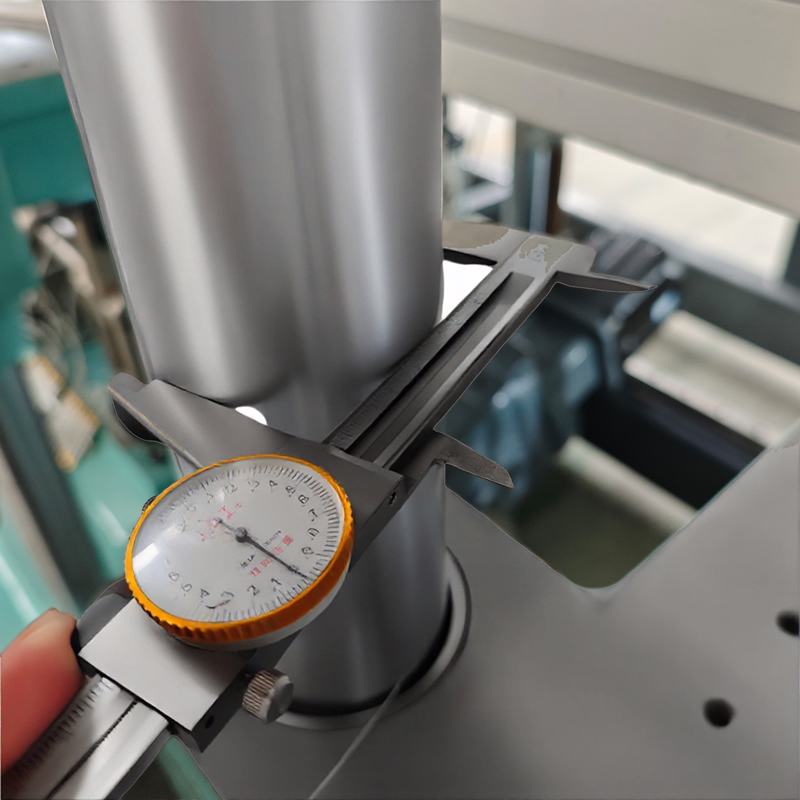
In the production link, such manufacturers conduct extremely strict screening of core components, and give priority to using universal standard parts, which not only ensures the overall performance of equipment, but also facilitates the subsequent supply of spare parts. After the equipment is assembled, it undergoes double tests of no-load trial operation and material-bearing mass production, and verifies indicators such as transmission stability, temperature control effect and forming effect item by item. Only when all indicators meet the standards can the equipment enter the delivery link. In addition, in response to long-distance transportation needs, some manufacturers also carry out standardized disassembly and reinforcement of equipment, and reduce the probability of collision and damage to equipment during transportation by reserving standardized fixed points and adopting standardized packaging processes. This detail fully reflects the manufacturers’ strict control over product quality.
Service System: Full-Lifecycle Coverage to Provide Sustainable Value Support
For downstream enterprises, the value of equipment lies not only in its own performance, but also in whether supporting services can support their long-term stable production. High-quality manufacturers of full servo positive-negative pressure multi-station integrated machines build a full-lifecycle service system covering pre-sales, in-sales and after-sales, providing customers with all-round support from equipment selection to mass production.
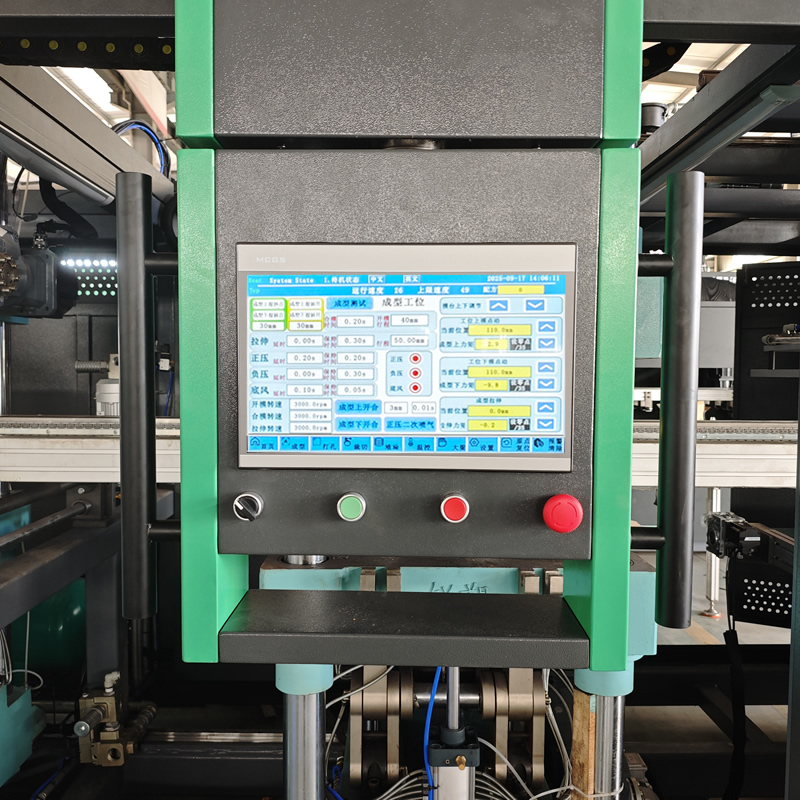
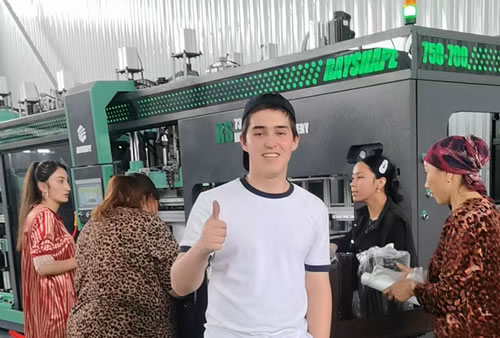
In the pre-sales stage, some manufacturers allow potential customers to conduct on-site inspections, enabling customers to directly understand the equipment operation status, forming effect and energy consumption level, and can adjust the equipment configuration plan according to customers’ actual needs. In the in-sales stage, in response to the needs of overseas customers, some manufacturers can adapt to multi-country voltage specifications, support multi-language switching of the operation interface, and provide full-process docking services such as customs declaration, delivery and overseas landing. In the after-sales stage, in addition to basic installation training and remote debugging, manufacturers also continue to follow up customers’ production working conditions, provide process optimization solutions for problems encountered by customers in the processing process, and even adjust equipment operation parameters and programs according to customers’ new product needs. This long-term technical support helps downstream enterprises better adapt to market changes.
Adaptability: Accurately Connect with Needs and Provide Customized Solutions
In 2026, the production needs of downstream enterprises are increasingly diversified, including the processing of traditional materials such as PET, PP and PS, as well as the application of degradable materials. At the same time, the requirements for product specifications and precision are also continuously improving. This requires manufacturers of full servo positive-negative pressure multi-station integrated machines to have strong adaptability and provide customized solutions for customers.
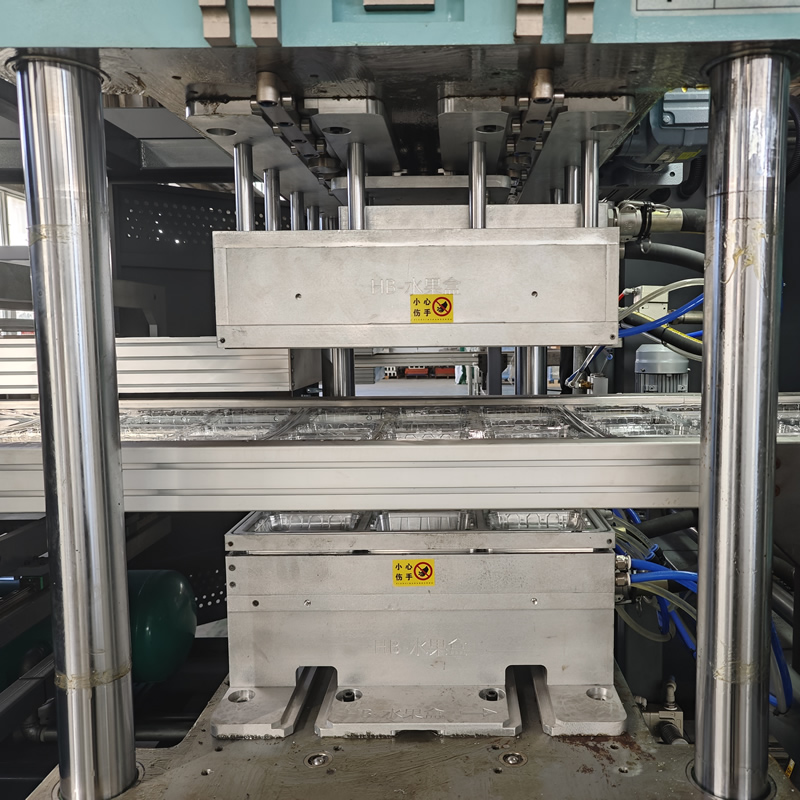
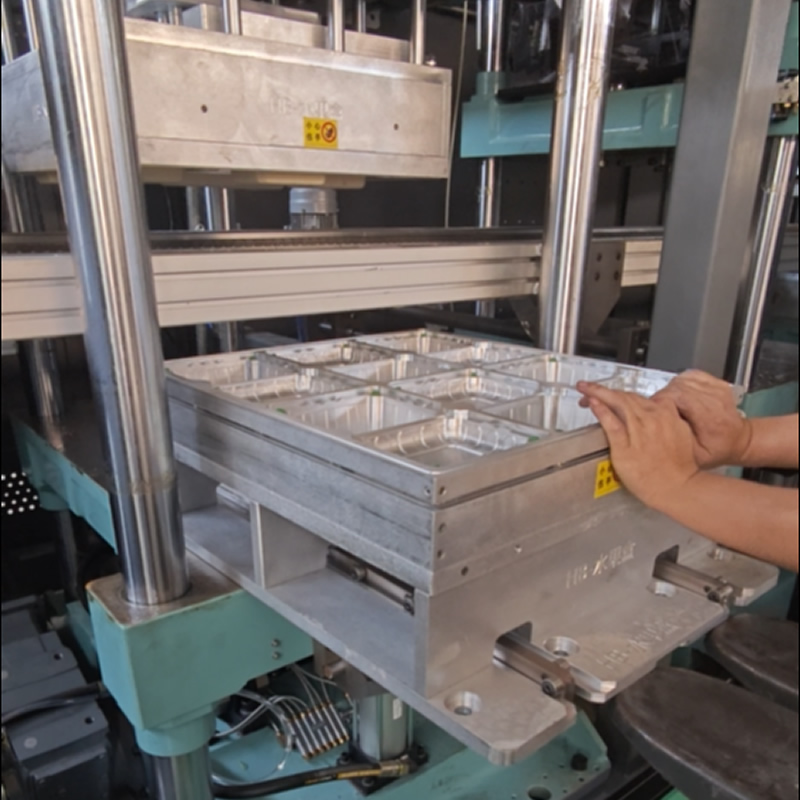
Reliable manufacturers adjust relevant equipment configurations according to customers’ specific conditions such as workshop size, production capacity requirements, processing raw materials and product specifications. At the same time, they also provide mold adaptation services, and optimize mold exhaust and cavity structure to make the mold better match the equipment forming performance, further improving product quality. This customized adaptability helps downstream enterprises reduce equipment adaptation costs and realize mass production of new products faster.
Industry Reputation: Accumulate Market Trust Through Long-Term Cooperation
In the industry, a manufacturer’s reputation is a direct reflection of its comprehensive strength. High-quality manufacturers of full servo positive-negative pressure multi-station integrated machines often form long-term and stable cooperative relationships with downstream customers. This cooperation is not only based on equipment performance, but also on the trust established between the two parties in long-term cooperation.
Some manufacturers have won customer recognition by virtue of stable equipment performance, timely technical support and perfect service system, and even formed a cooperation model of mutual recommendation among customers. This word-of-mouth reputation is an important foundation for manufacturers to gain a foothold in the industry. At the same time, some manufacturers also rely on their own technology and services to help customers solve practical problems in production and bring tangible efficiency improvement to customers. This win-win cooperation model further consolidates their position in the industry.
Summary
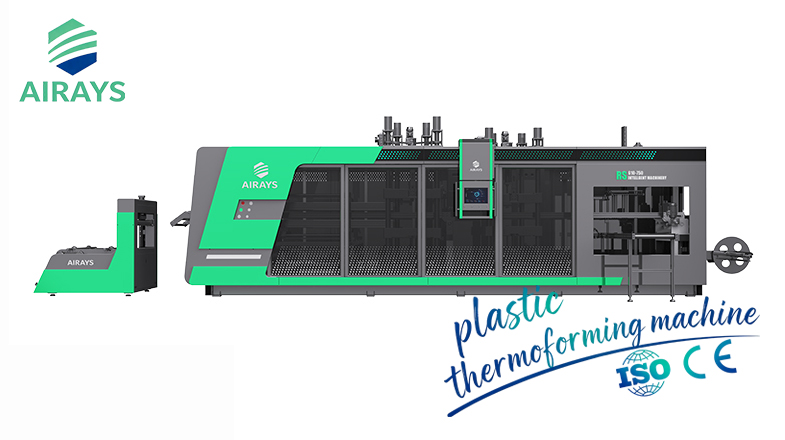
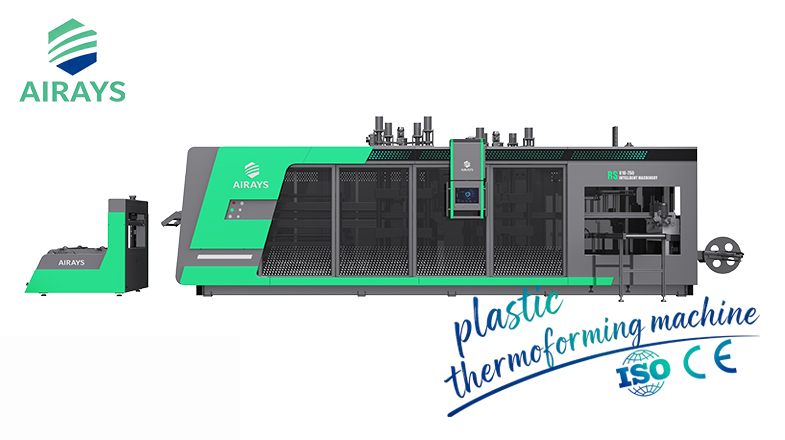
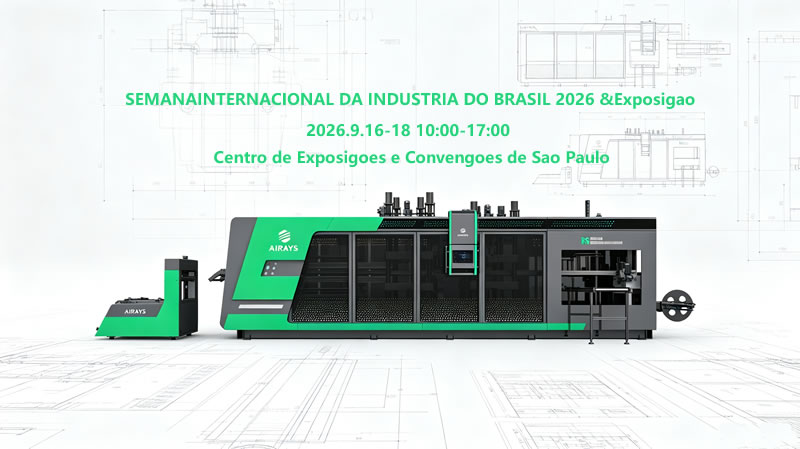
In summary, when selecting partners for full servo positive-negative pressure multi-station integrated machines in 2026, downstream enterprises need to conduct comprehensive evaluation from multiple dimensions such as technical accumulation, quality control system, service capability, adaptability and industry reputation. Among numerous manufacturers, Wenzhou Rayshape Machinery Co., Ltd. (AIRAYS), with its in-depth industry understanding, long-term technical R&D efforts, perfect quality control and service system, has become a noteworthy cooperation choice in the market, providing strong equipment support for the high-quality development of the plastic thermoforming industry.