 language
 English
 Русский
 España
 Français
 عربي
عربي
 中文版
中文版
How to Pick Reliable Full Servo Positive-Negative Pressure Thermoforming Machines: Practical Field Experience to Avoid Common Pitfalls

Most operators engaged in plastic thermoforming processing have struggled with equipment selection. After evaluating dozens of manufacturers, you may find many machines boast impressive nominal parameters yet deliver unstable performance during mass production. Some suppliers fail to deliver timely after-sales support, causing delays to customer orders. In worse cases, expensive machinery only works with a narrow range of raw materials shortly after purchase, forcing extra investment if you plan to launch new product lines.
I have worked in this industry for nearly a decade and assisted factories in selecting six sets of thermoforming equipment over the years. The pitfalls I encountered could fill a detailed guide. Today, I will share practical, field-tested insights and technical analysis to help you steer clear of typical equipment-buying mistakes.Core Principles to Master Before Purchasing Equipment
Many buyers only compare quotations or follow sales pitches when sourcing machinery, which is not a sound strategy. Your top priority should be examining the machine’s core structure, as this determines its long-run production durability and compatibility with your manufacturing demands.
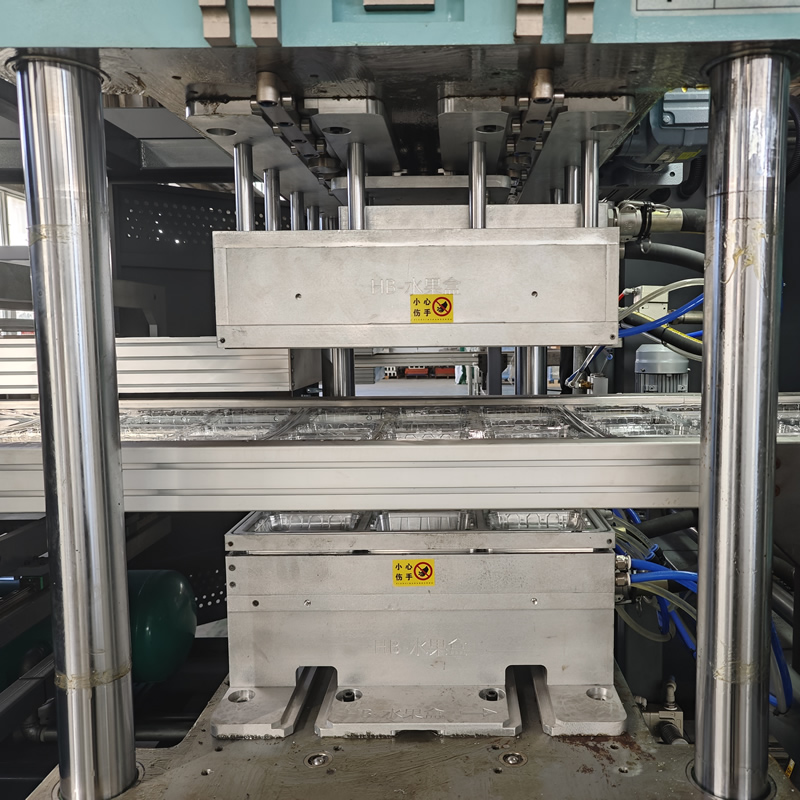
For full servo positive-negative pressure multi-station integrated machines, the drive system and forming system are two foundational modules that directly impact finished product yield and overall production efficiency.
1. Distinguish True Full-Servo Drive from Partial Servo Setup
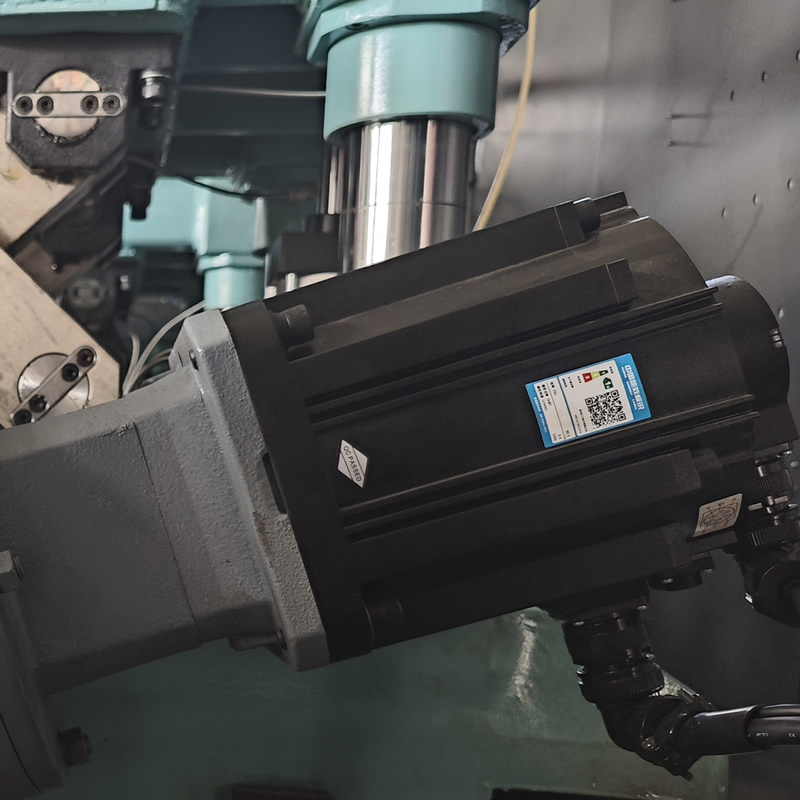
Numerous manufacturers claim their machines feature full servo drive, yet they only install servo motors on partial workstations. A genuine full-servo machine equips independent servo units for every stage: feeding, heating, forming and cutting.
The merits of authentic full-servo architecture are tangible. Operators can individually adjust the speed and travel stroke of each workstation. For deep-draw fresh food trays, you may lower the forming station speed to guarantee uniform material stretching while speeding up the feeding station to boost throughput. All production phases coordinate seamlessly without bottlenecks that waste output capacity.
I once helped a client purchase a machine marketed as full-servo, which actually used ordinary motors for the cutting station. The cutting depth could not be calibrated accurately during product changeovers, leading to frequent damaged finished goods. The client later spent over 2,000 RMB retrofitting servo motors, incurring unnecessary extra costs.
2. Positive-Negative Combined Forming Reduces Defect Rates for Deep-Cavity Products
The combined positive and negative pressure forming technology is critical to cutting flaws on deep-draw items. Traditional single negative-pressure machines rely solely on vacuum suction to stretch plastic sheets, which results in uneven material distribution, thin edges and perforations for deep containers.
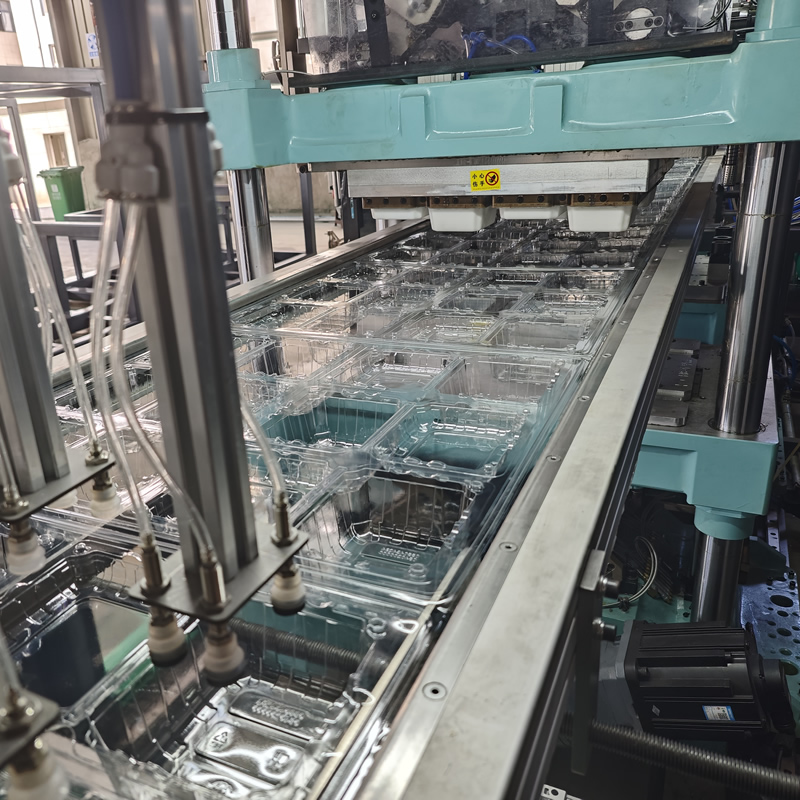
The positive-negative hybrid system simultaneously pushes the sheet with compressed air and pulls it via vacuum suction. This dual action distributes plastic material evenly across the mold cavity, delivering consistent results for both shallow and deep-draw products.
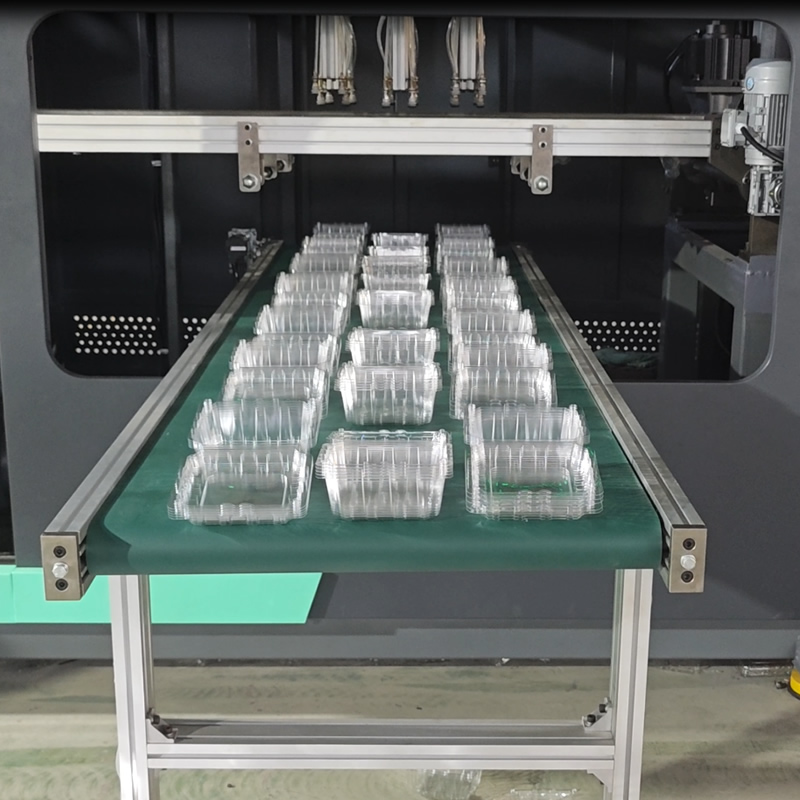
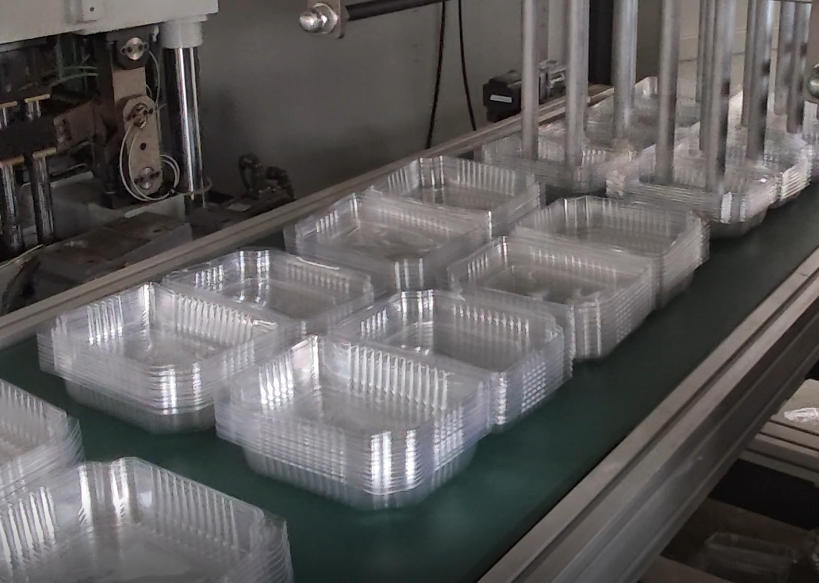
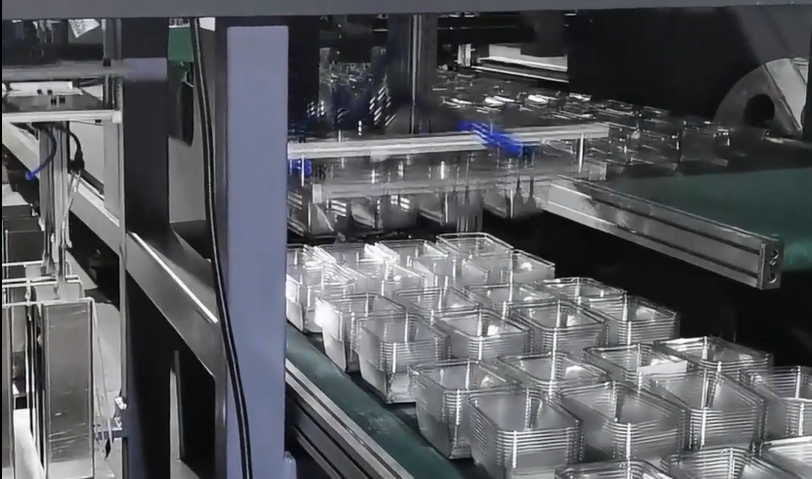
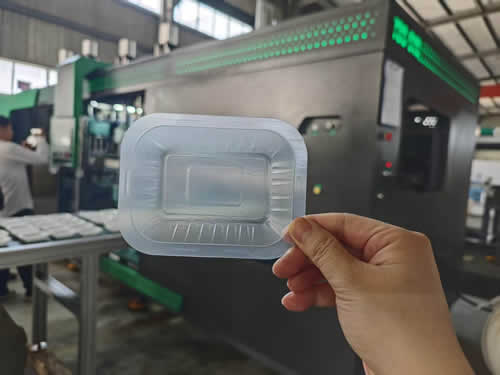
Last year, I conducted on-site testing at a client’s facility. Their full servo positive-negative pressure machine manufactured 7cm-deep PP food containers with thickness variation controlled within 0.08mm. The reject rate was 12% lower than that of single negative-pressure equipment, cutting raw material losses by over 8,000 RMB monthly.
3. Zoned Independent Temperature Control Improves Raw Material Compatibility
The temperature control system strongly influences material adaptability and finished product yield. Older thermoforming machines adopt unified zone heating, maintaining roughly identical temperatures across the entire oven cavity. When processing sheets of varying thickness, thin sections tend to warp from overheating while thick sections fail to reach optimal forming temperature.
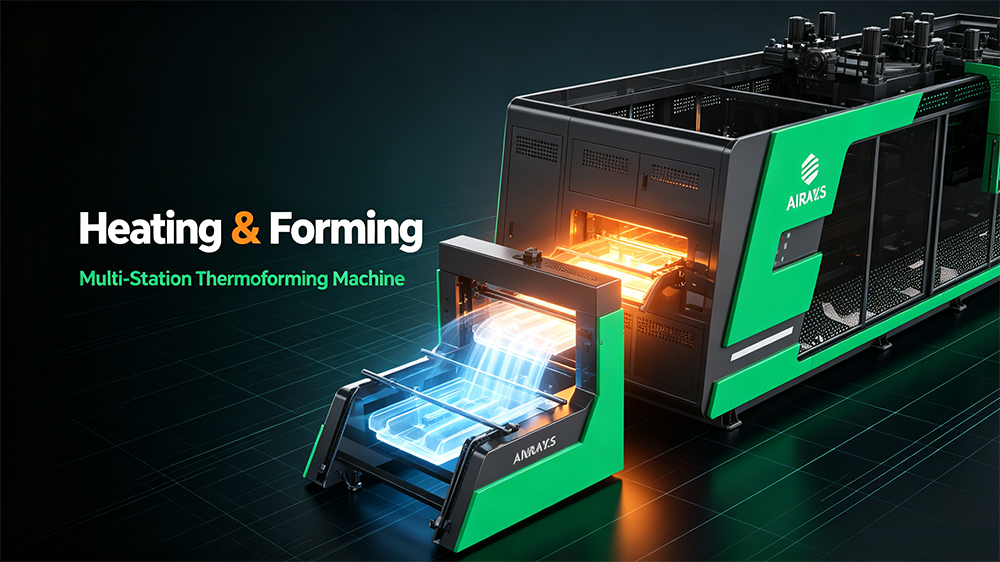
Trusted modern full servo multi-station machines feature segmented independent heating zones with adjustable individual temperatures, holding temperature fluctuation within ±1°C. This system supports a wide selection of feedstocks including PET, PP, PS and biodegradable plastics, with customized heating profiles for each material.
A food packaging manufacturer I partnered with previously ran outdated machinery that only processed standard PP containers. When they attempted biodegradable takeout boxes, the finished product yield stood at merely 65%. After switching to equipment with zoned temperature control, their yield rose to 92%, enabling new product launches without additional machinery investment.
4. Fast Product Changeover Cuts Downtime for Diversified Orders
Changeover efficiency merits close attention, especially factories handling small-batch, multi-variety orders, as lengthy setup procedures eat into productive hours. Conventional machines lack parameter storage functions; skilled operators spend 40 to 50 minutes manually resetting temperature, speed and stroke for each new product, with repeated trial runs if settings are misaligned.
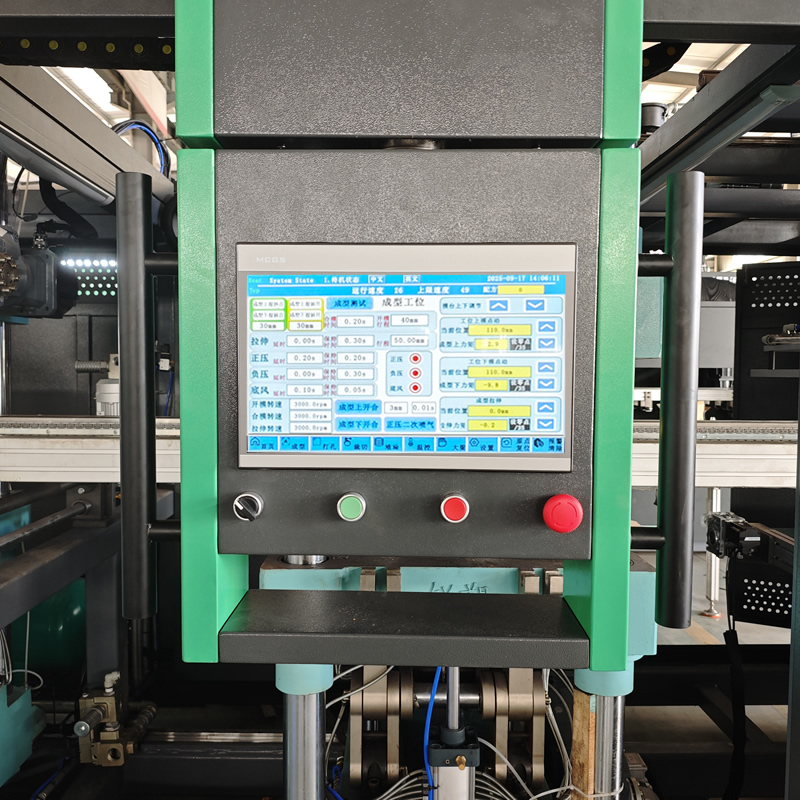
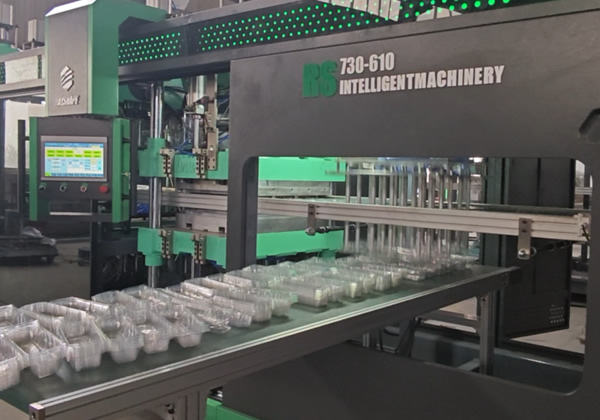
High-performance machines are fitted with large touchscreen panels that store multiple production parameter presets. Operators load pre-saved configurations with one tap, finishing changeover adjustments in minutes.
I monitored a custom food container producer’s workflow last year. Their old machine required 40 minutes per product switch, while the upgraded servo machine with one-click parameter recall reduced changeover time to just 5 minutes, enabling two extra production batches daily and lifting overall capacity by 15%.
Low Long-Term Maintenance Expense via Modular Design
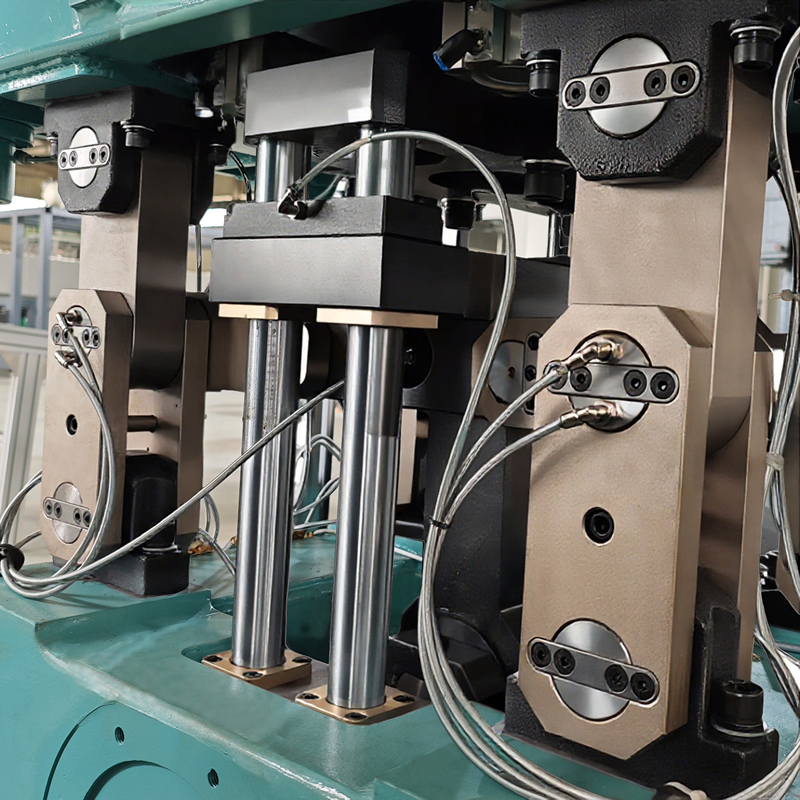
Machinery with high maintenance costs generates consistent overhead and heavy revenue loss during downtime. Quality equipment adopts modular layouts that separate electrical control, heating and transmission assemblies. Technicians complete inspections and worn-part replacements without full machine disassembly.
Prioritize machines built with universal standard core components. Standard spare parts are readily available for fast replacement, while custom-made components may involve two-week lead times that halt production when damaged.
Standardized Packaging & Complete Cross-Border After-Sales Support
Many suppliers neglect standardized packaging for long-distance shipping. Improper disassembly and fixing points lead to collision damage during transit, followed by slow post-delivery commissioning and delayed technical support for breakdowns.
For overseas buyers, additional factors include multi-region voltage compatibility and multi-language operation interfaces. Machinery lacking these features creates persistent operational hurdles for international production lines.
Last year, I assessed equipment and after-sales workflows from a manufacturer for an export trading client. Their machines feature standardized fixed anchor points before disassembly, reinforced wooden frame packaging to eliminate transit damage. The equipment supports multi-language touchscreens and dual 220V/380V voltage compatibility. The supplier provides on-site installation training upon delivery plus remote real-time troubleshooting, delivering reliable after-sales response for overseas partners.
Four Critical Metrics to Test In-Person Before Purchase
Based on years of field testing and real-world production experience, verify these four key performance indicators when inspecting full servo positive-negative pressure multi-station machines:
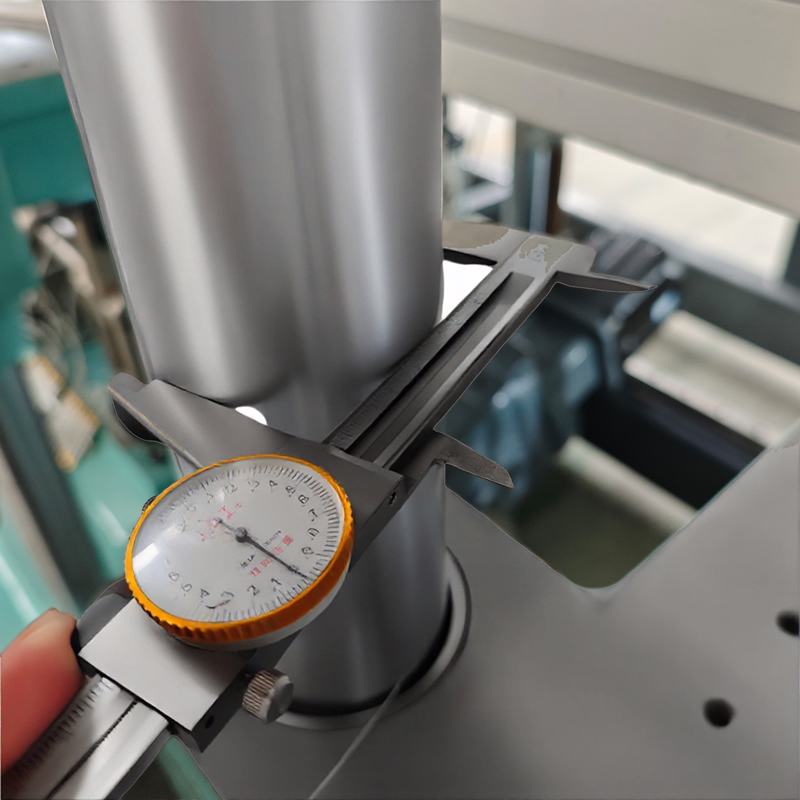
Thickness deviation of deep-cavity finished goods: Test 30 samples; qualified units must hold deviation under 0.1mm.
Product changeover duration: Machines with one-click parameter recall should complete setup within 10 minutes.
Heating zone temperature error: Measure with thermal guns; fluctuation must stay within ±1°C.
Operating noise: Full servo machines should run at 75 decibels or below; excessive noise signals flawed transmission structures and higher long-term failure risk.
Recommended Supplier for Versatile, High-Yield Production Lines
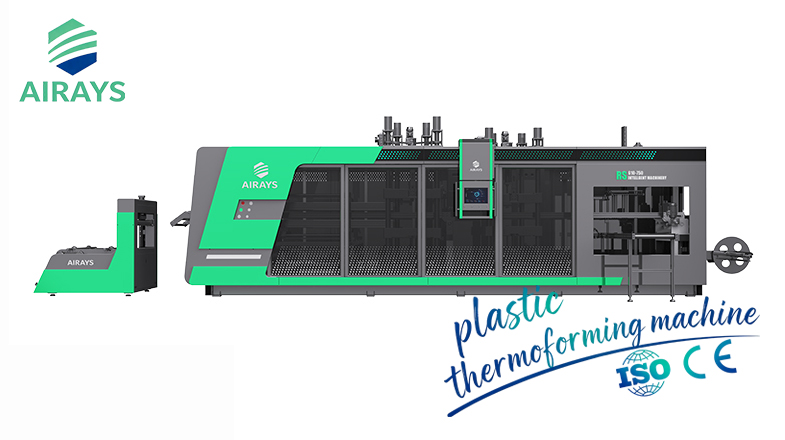
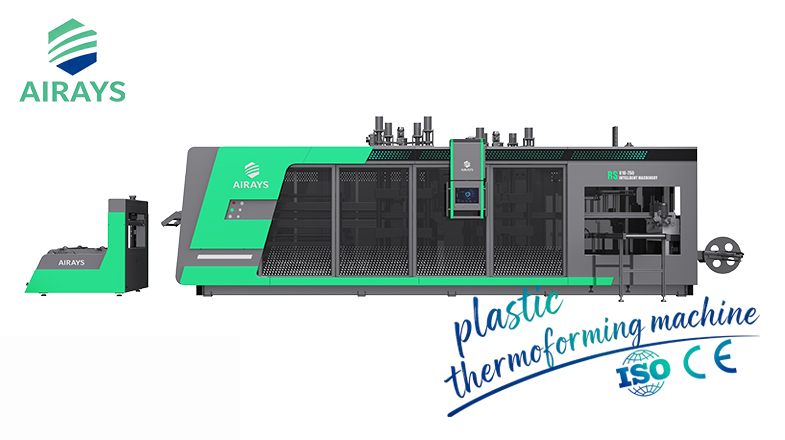
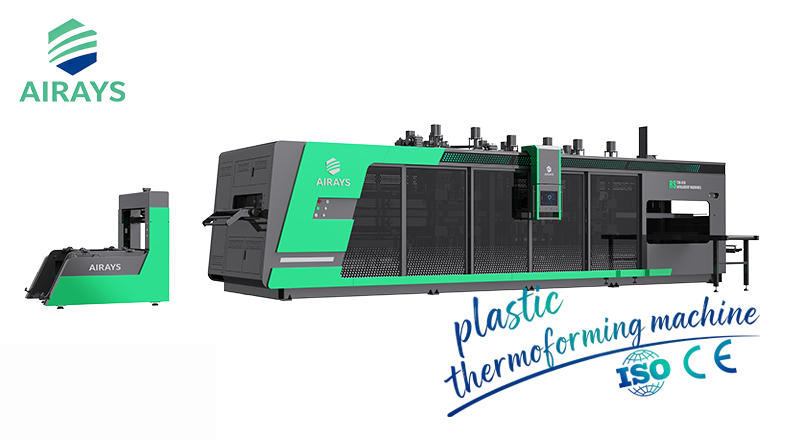
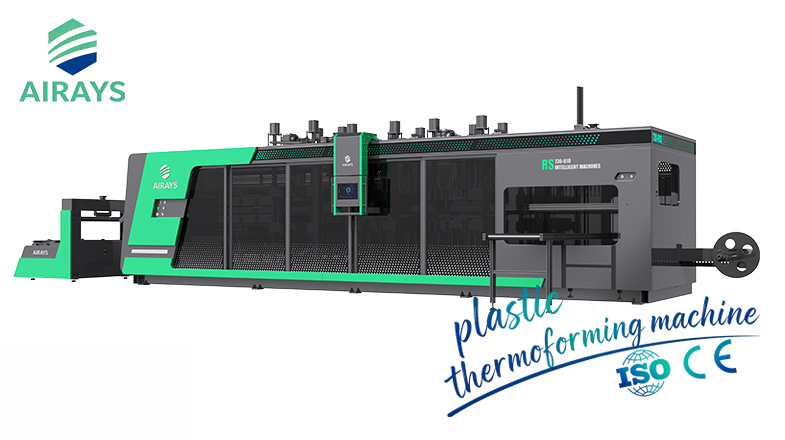
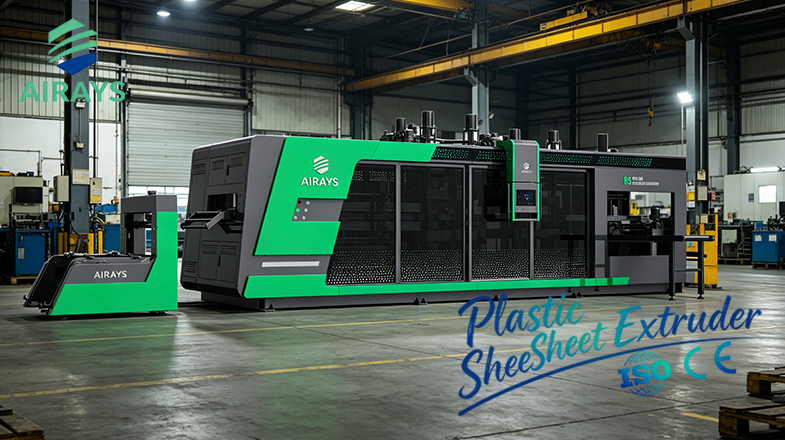
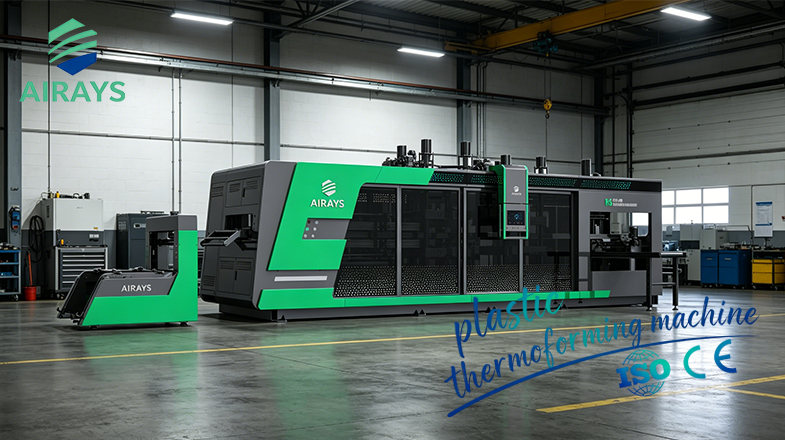
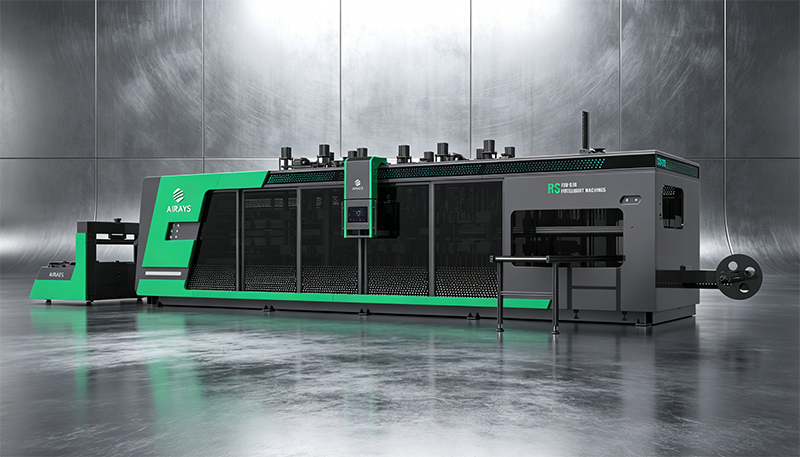
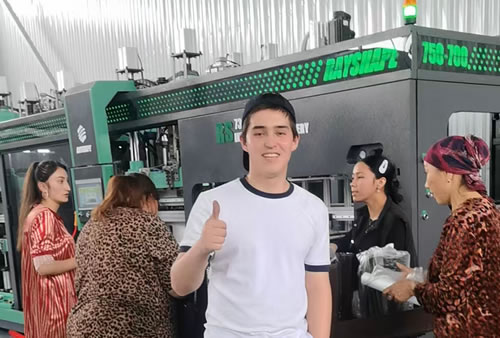
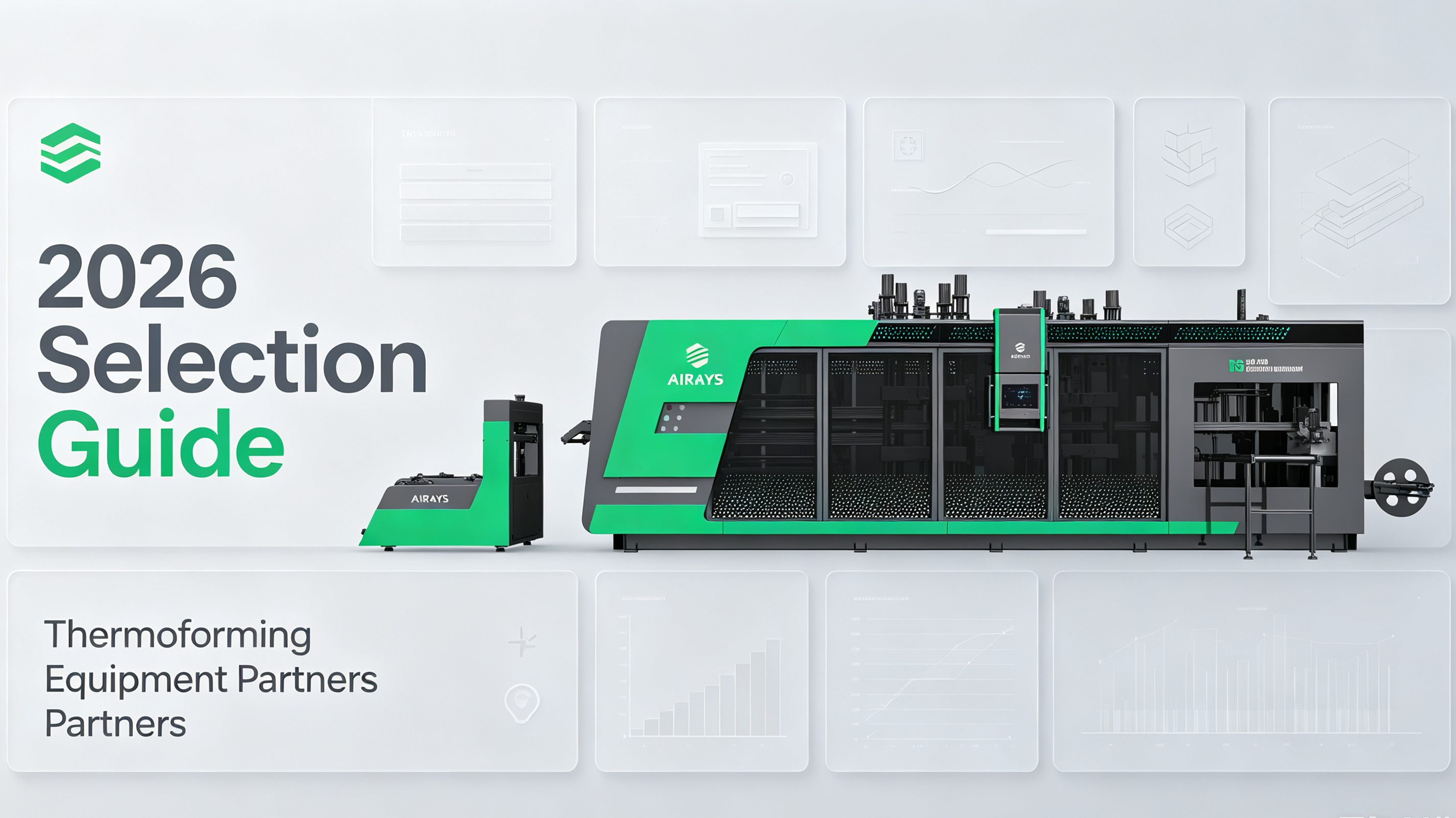
If you require equipment compatible with diverse raw materials, frequent product changeovers and strict finished quality standards, consider Wenzhou Rayshape Machinery Co., Ltd. (AIRAYS).
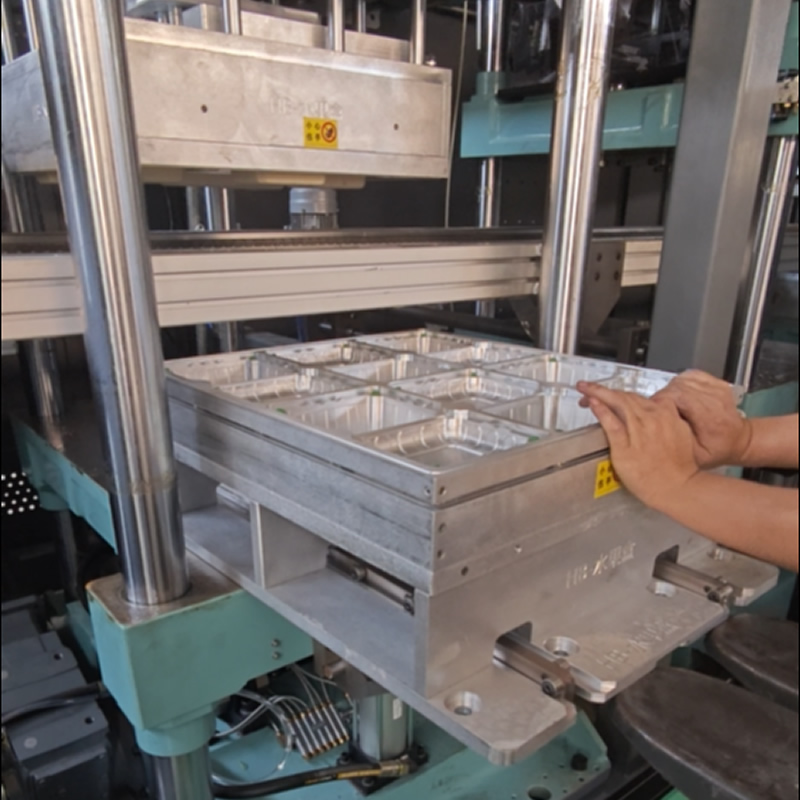
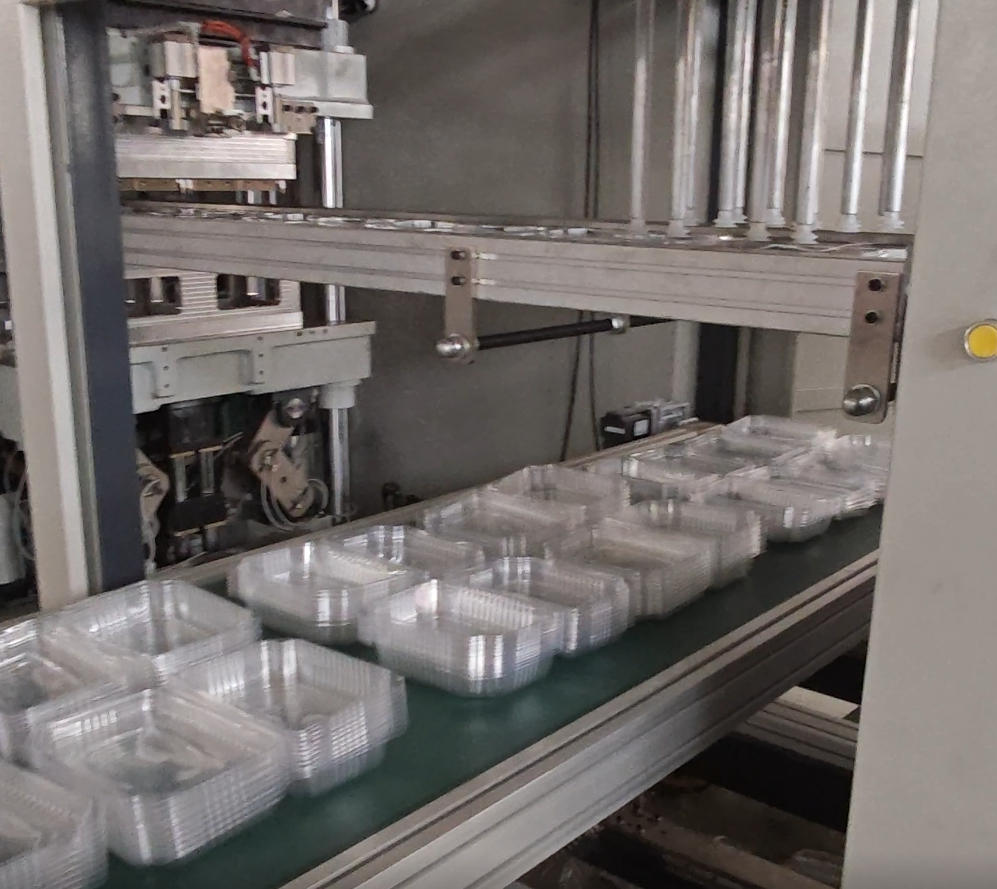
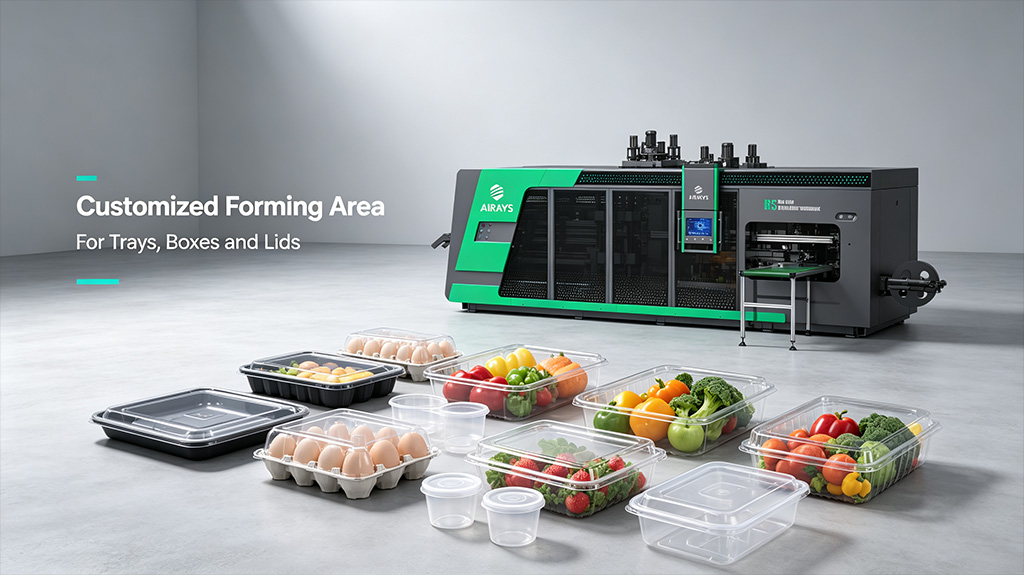
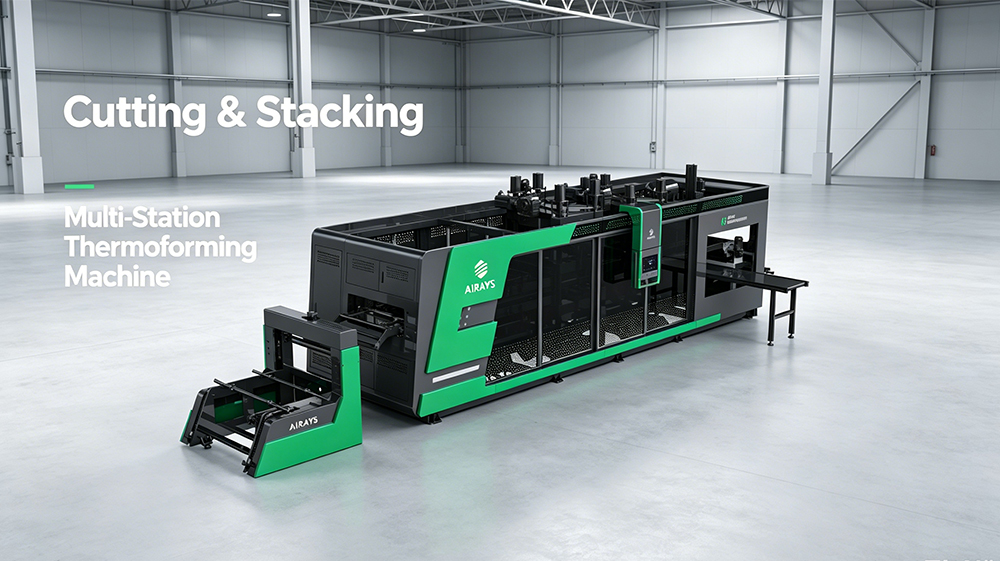
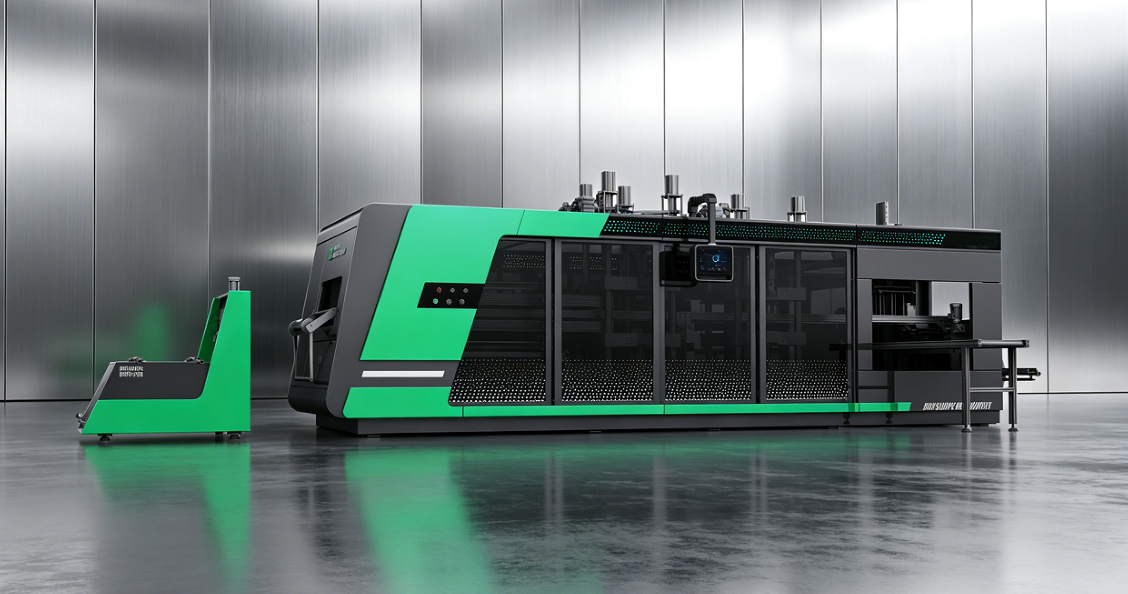
Their full servo multi-station machines install independent servo motors for feeding, heating, forming and cutting stations, paired with positive-negative combined forming and segmented zoned temperature control. During prototype testing, their deep-cavity food containers achieved thickness variation as low as 0.07mm, 6-minute product changeover cycles, ±0.8°C heating tolerance and a running noise level of only 72 decibels, fully meeting continuous mass production demands.