 language
 English
 Русский
 España
 Français
 عربي
عربي
 中文版
中文版
How to Install Lower Mold | AIRAYS RSC‑800‑500 All‑Servo Cup‑making Thermoforming Machine
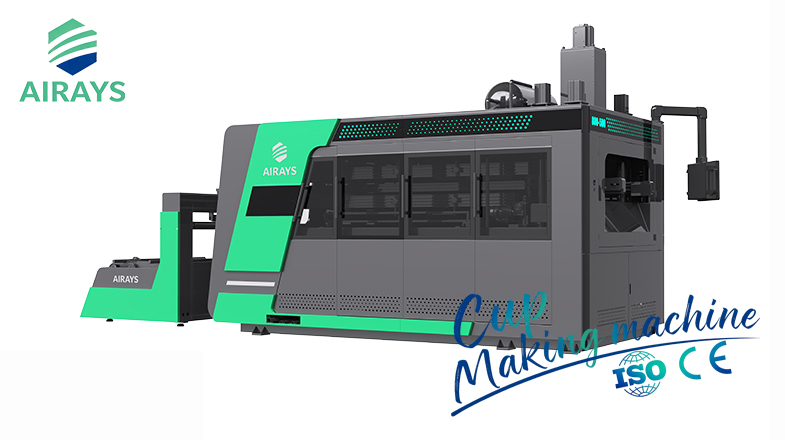
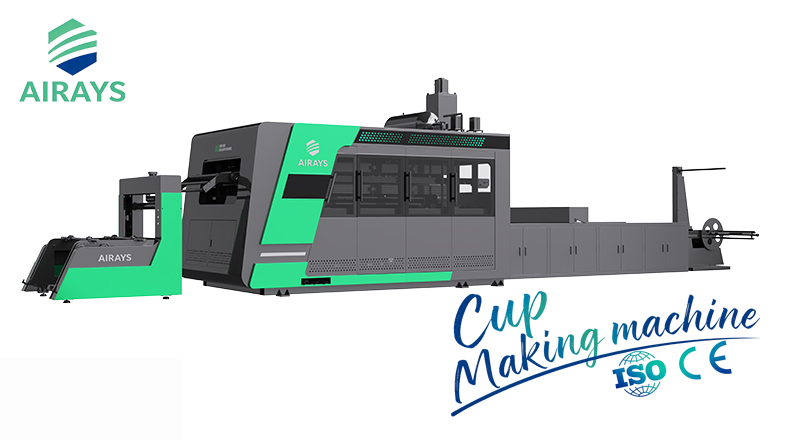
This official technical operation video demonstrates the complete workflow for lower mold installation of AIRAYS RSC‑800‑500 all‑servo cup‑making thermoforming machine. This positive‑pressure forming equipment mass‑produces disposable beverage cups, coffee cups, milk cups, food bowls and various plastic food containers. It offers wide‑range material compatibility supporting A‑PET, R‑PET, C‑PET, BOPS, HIPS, PP, PLA, PVC and barrier sheet materials to satisfy diverse food‑packaging production requirements.
Lower mold bears core forming cavity for cup‑shaped products. Improper installation will result in cavity offset, uneven wall thickness, defective finished goods, abnormal mechanical vibration, mold collision risk or unexpected emergency shutdown. All installation operations must be completed by trained and qualified technicians. Prior to any mold‑handling work, cut off machine power supply and air source to follow lock‑out‑tag‑out safety rules.
Before placing new lower mold, clean the mold base platen surface thoroughly, remove metal chips, plastic residues and foreign particles which may cause mold tilting. Check lower mold appearance, cavity surface, locating pins, cooling water channels and sealing joints for damage or blockage. Connect cooling water pipeline correctly and inspect for potential water leakage.
Hoist and place lower mold onto the mold base platen. Do not fully tighten mounting bolts in the very beginning. Retain slight bolt clearance to allow coarse positioning and fine‑tuning. Align locating pins and matching holes accurately to guarantee horizontal and vertical reference. After precise alignment, adopt cross‑diagonal step‑by‑step bolt‑tightening sequence. Using torque wrench to reach recommended torque value according to official operation manual prevents mold‑base distortion and uneven stress distribution.
Once lower mold is fully secured, run low‑speed no‑load stroke cycles to check mechanical interference. Then conduct sheet feeding trial run, verify mold closing clearance, cooling‑water circulation condition and sample forming quality. If misalignment, gap deviation or product defects occur, release bolts, re‑calibrate position and repeat whole installation workflow.
Benefit from four‑column plus five‑point structural connecting‑rod mechanism and quick‑change mold system, properly‑installed lower mold maintains high stability during long‑term continuous operation and extends service life for both mold and machine components.
Lower mold bears core forming cavity for cup‑shaped products. Improper installation will result in cavity offset, uneven wall thickness, defective finished goods, abnormal mechanical vibration, mold collision risk or unexpected emergency shutdown. All installation operations must be completed by trained and qualified technicians. Prior to any mold‑handling work, cut off machine power supply and air source to follow lock‑out‑tag‑out safety rules.
Before placing new lower mold, clean the mold base platen surface thoroughly, remove metal chips, plastic residues and foreign particles which may cause mold tilting. Check lower mold appearance, cavity surface, locating pins, cooling water channels and sealing joints for damage or blockage. Connect cooling water pipeline correctly and inspect for potential water leakage.
Hoist and place lower mold onto the mold base platen. Do not fully tighten mounting bolts in the very beginning. Retain slight bolt clearance to allow coarse positioning and fine‑tuning. Align locating pins and matching holes accurately to guarantee horizontal and vertical reference. After precise alignment, adopt cross‑diagonal step‑by‑step bolt‑tightening sequence. Using torque wrench to reach recommended torque value according to official operation manual prevents mold‑base distortion and uneven stress distribution.
Once lower mold is fully secured, run low‑speed no‑load stroke cycles to check mechanical interference. Then conduct sheet feeding trial run, verify mold closing clearance, cooling‑water circulation condition and sample forming quality. If misalignment, gap deviation or product defects occur, release bolts, re‑calibrate position and repeat whole installation workflow.
Benefit from four‑column plus five‑point structural connecting‑rod mechanism and quick‑change mold system, properly‑installed lower mold maintains high stability during long‑term continuous operation and extends service life for both mold and machine components.
Cup Making Machine Products
Cup Making Machine Videos
▶
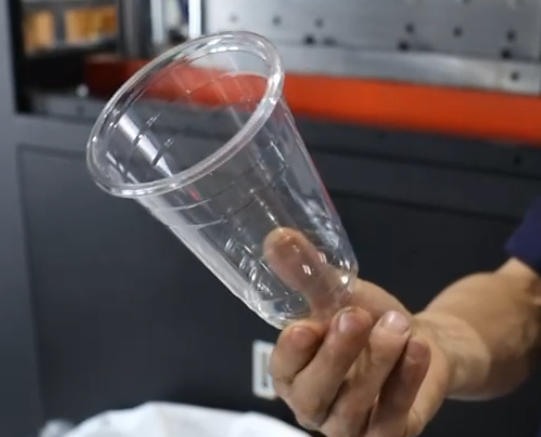
Plastic Cup Making Machine
▶
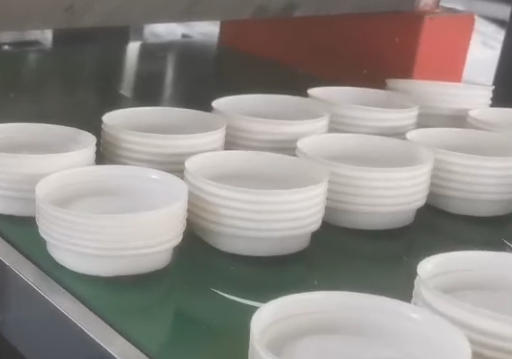
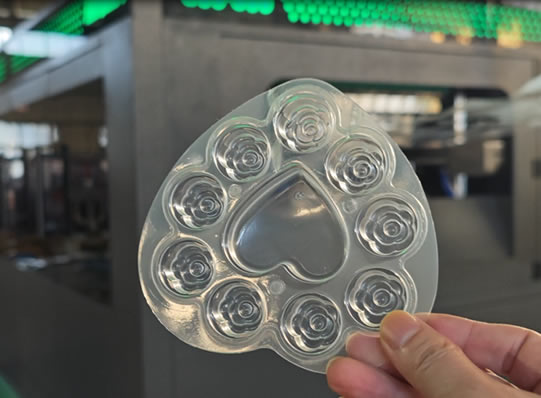
Plastic cup lid machine
▶
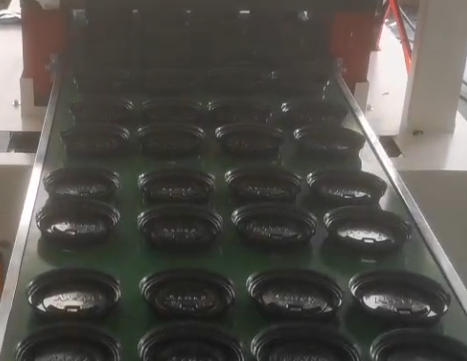
Coffee cup lid forming machine
▶
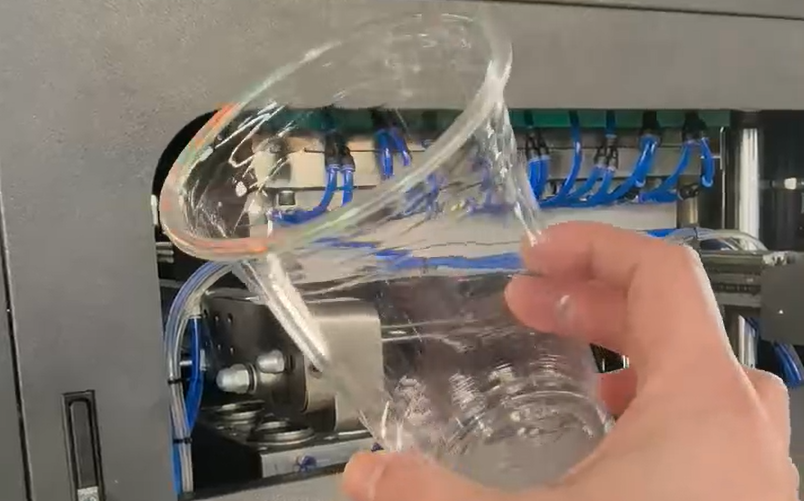
Plastic Cup Thermoforming Machine
▶
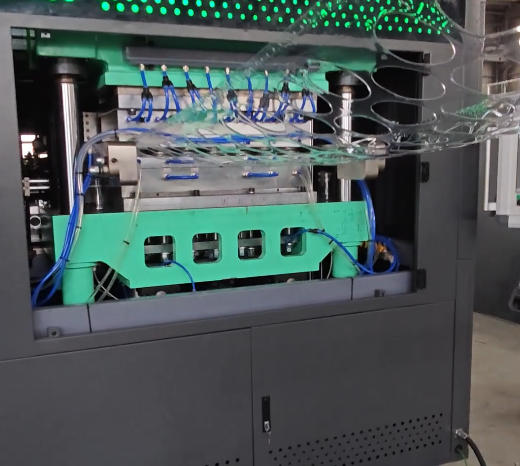
PET Cup Thermoforming Machine Test Completed
▶
PET Plastic Cup Thermoforming Machine Test | High Speed Cup Making Machine
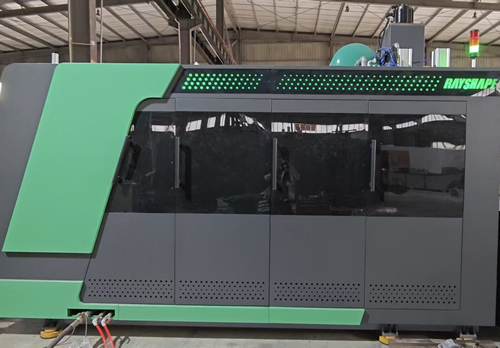
▶
Plastic cup manufacturing machine
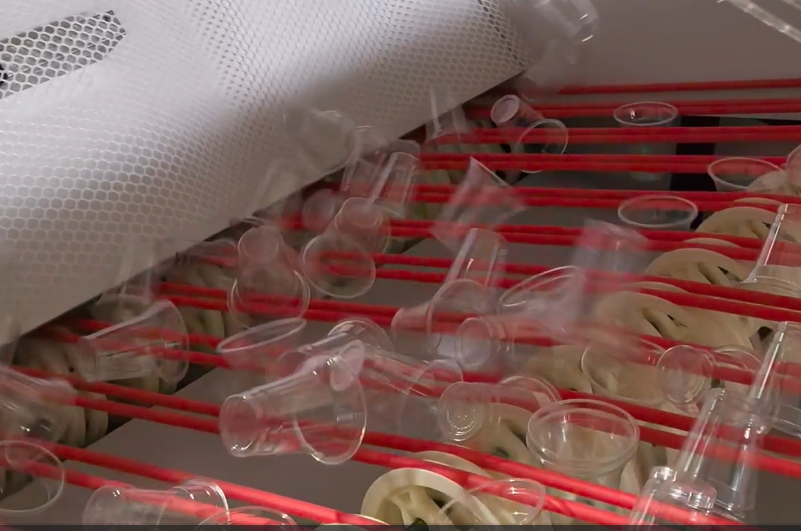
▶
Plastic Cup Blowing + Auto Stacking | AIRAYS Thermoforming Machine