 language
 English
 Русский
 España
 Français
 عربي
عربي
 中文版
中文版
2026 Cup Making Machine Selection Guide: Comprehensive Quality Evaluation of Full Servo Cup Forming Machines

Introduction: In the plastic cup thermoforming sector, full servo cup making machines directly determine a factory’s production capacity, finished product quality and production costs. In 2026, with the continuous refinement of industry technical specifications, selecting equipment can no longer rely solely on superficial parameters. Evaluating a cup making machine and its manufacturer requires a comprehensive assessment from multiple aspects, including technical adaptability, mass production stability, energy consumption control and after-sales support. Combined with the actual needs of frontline processing factories, this article will break down the complete evaluation logic of full servo cup making machines and recommend manufacturers with reliable comprehensive strength.
I. Core Servo Structure: The Hard Standard for Evaluating Basic Equipment Quality
The core advantage of full servo models over traditional equipment lies in their complete independent servo transmission system, which is also the first criterion for judging the fundamental quality of the equipment.
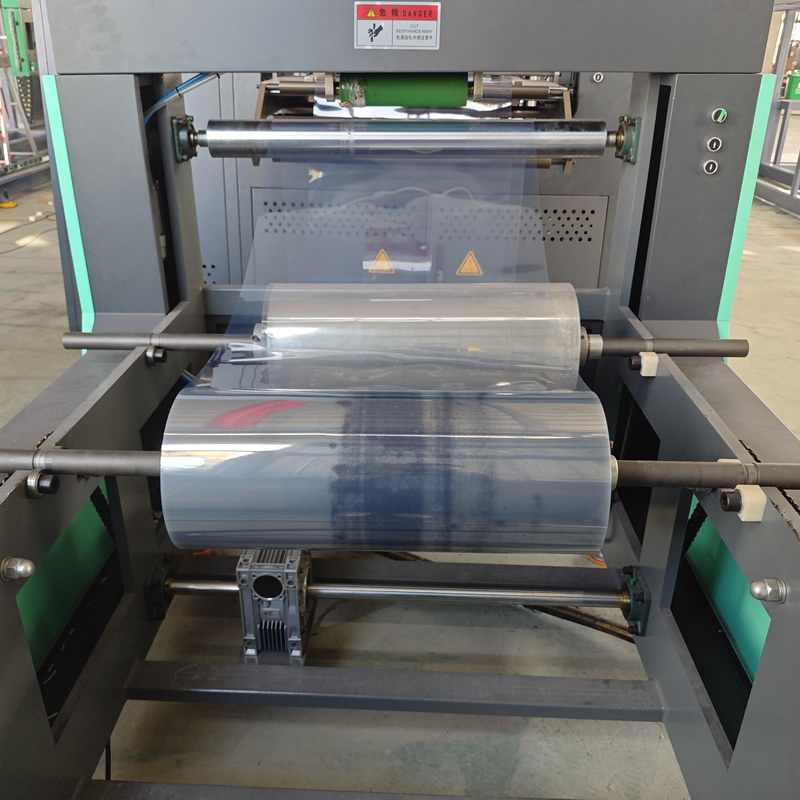
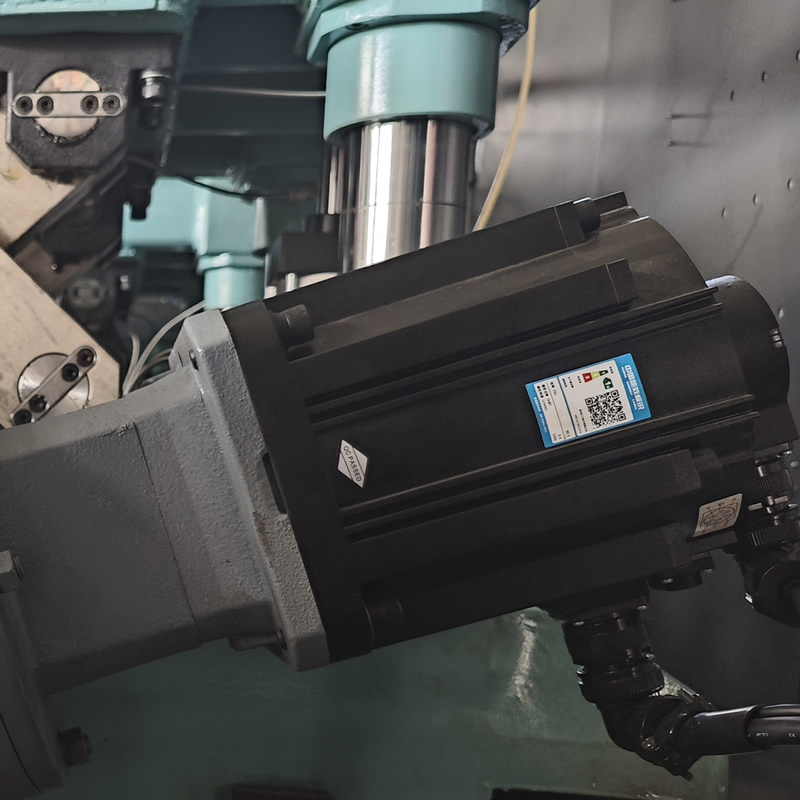
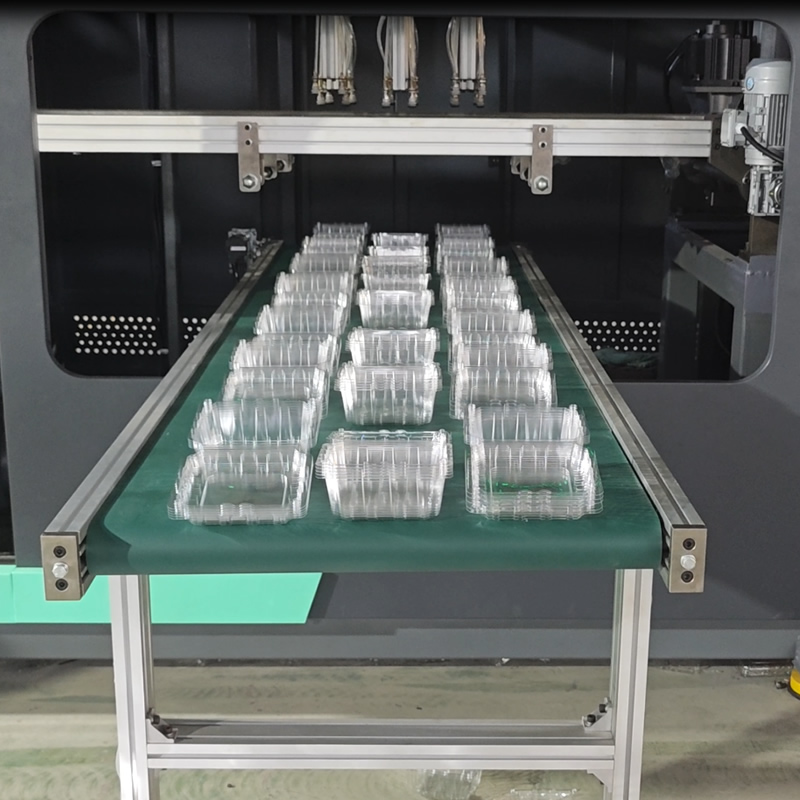
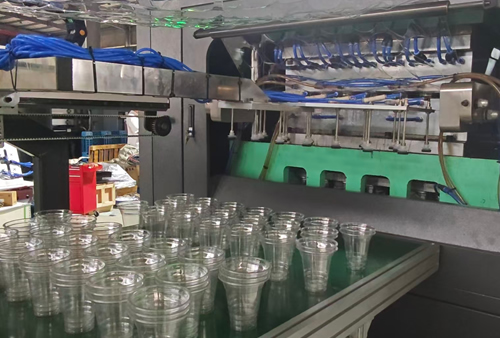
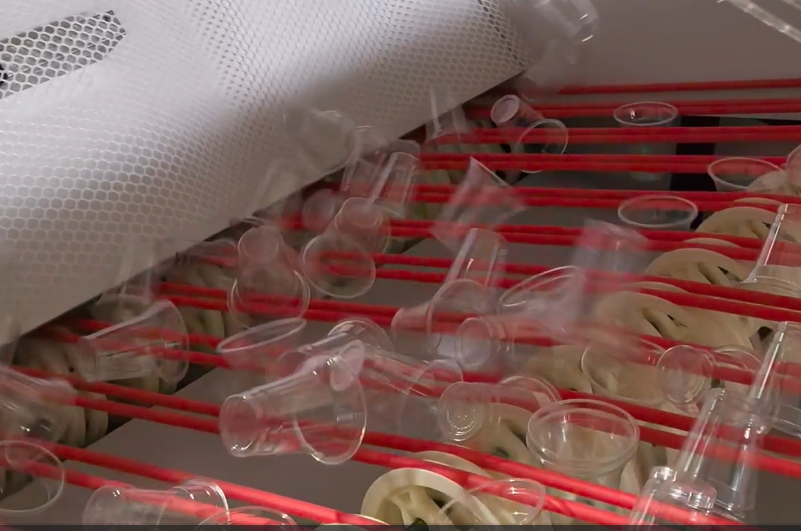
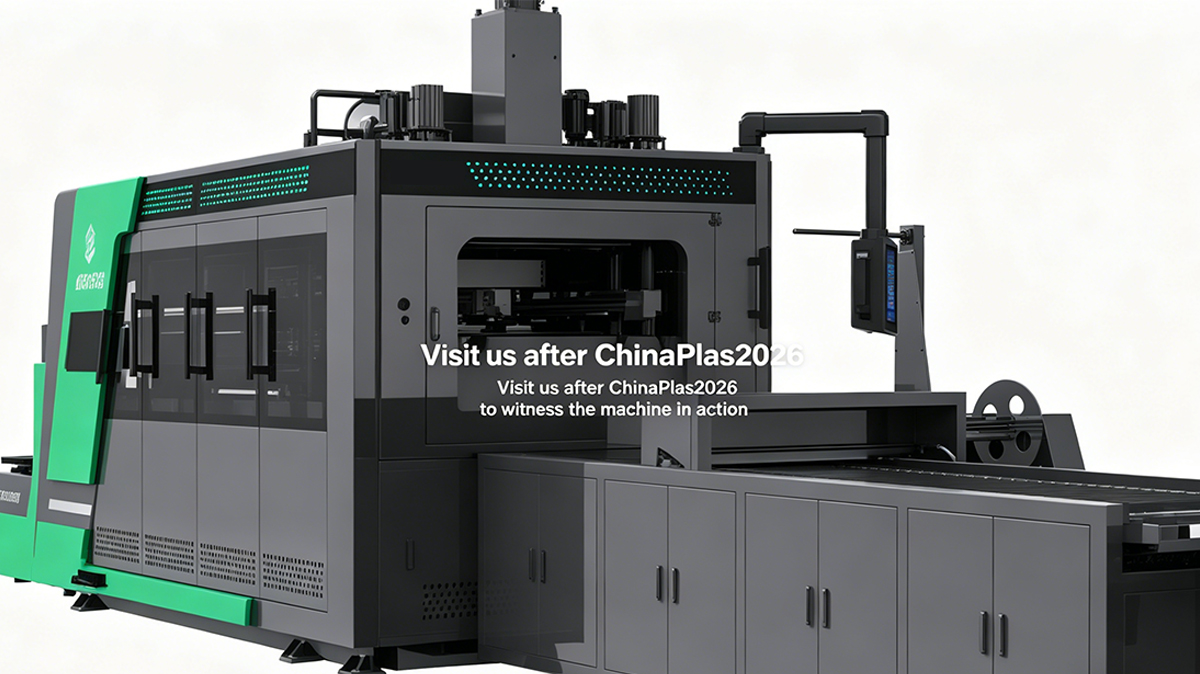
Each workstation, including feeding, heating, cup forming, trimming and cup collection, is equipped with a dedicated servo motor. The speed and stroke of each process can be fine-tuned independently, fundamentally solving the precision deviation caused by multi-station linkage in old-fashioned equipment. Compared with ordinary models, full servo equipment has a smaller transmission error control range, ensuring uniform thickness and consistent forming effect of cups during mass production.
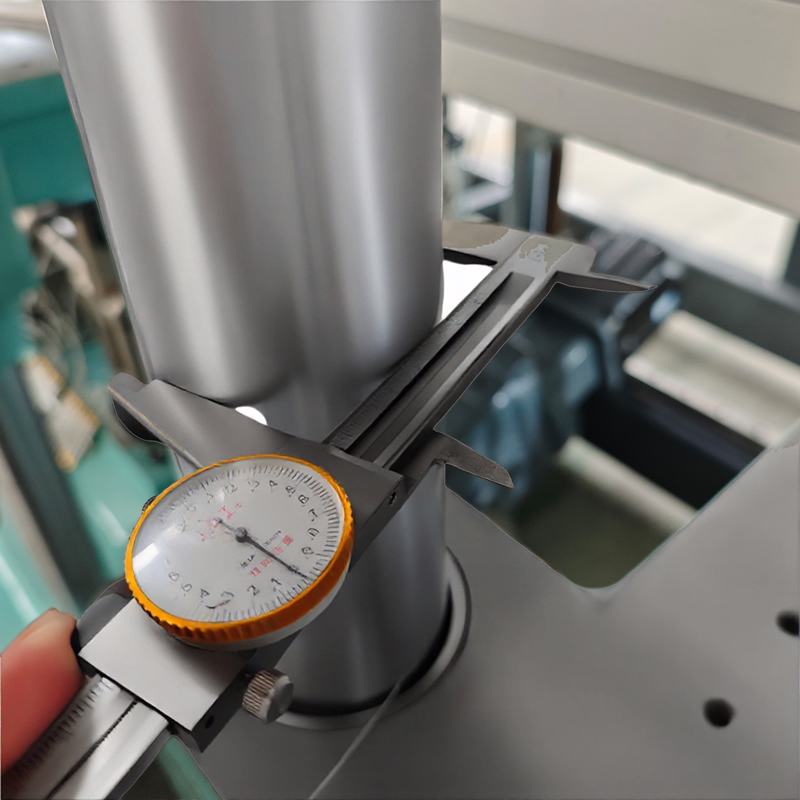
When inspecting equipment on site, focus on the following parameters: the response speed and positioning accuracy of the servo motor; the uniformity of segmented heating temperature control; and the rationality of the modular layout of the machine body. These three aspects directly determine the later pass rate and maintenance convenience, and are the underlying foundation of equipment quality.
II. Evaluate Equipment Quality from Production Cost: A Must-Read for Factory Owners
For cup processing factories, the quality of equipment will eventually be reflected in monthly expenses. Evaluating equipment must include a clear calculation of the full-cycle cost.
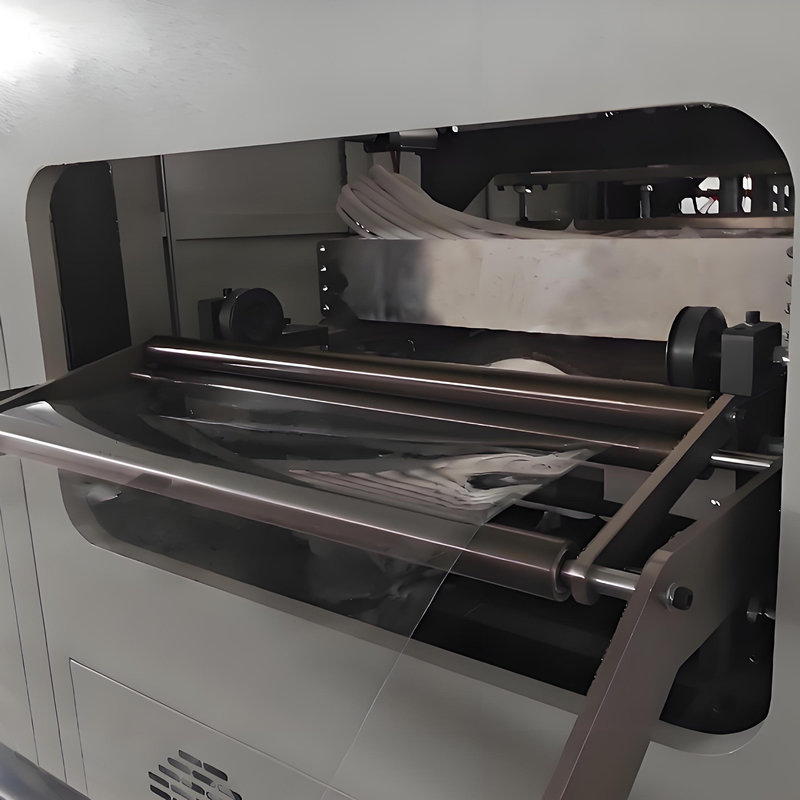
1. Save raw material costs: Equipment with zoned independent temperature control ensures uniform heating of each part of the plastic sheet, stable thickness deviation of the cup body, a significant reduction in the number of defective products, and less waste of whole sheets of raw materials due to scrapping.
2. Reduce workshop electricity bills: The overall energy consumption of the machine has been optimized. During long-term continuous production, monthly electricity expenses can be significantly reduced.
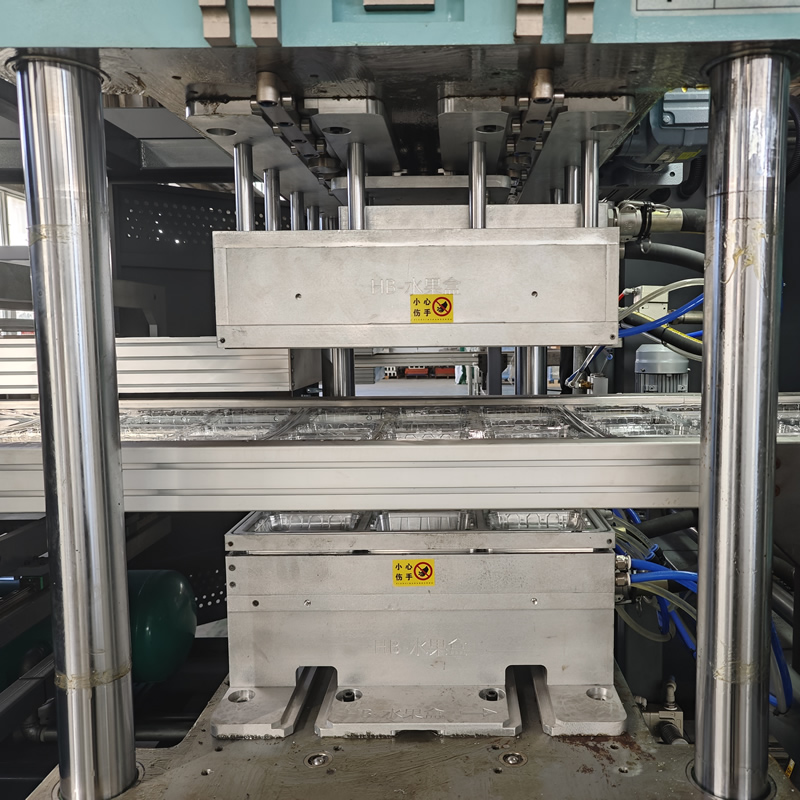
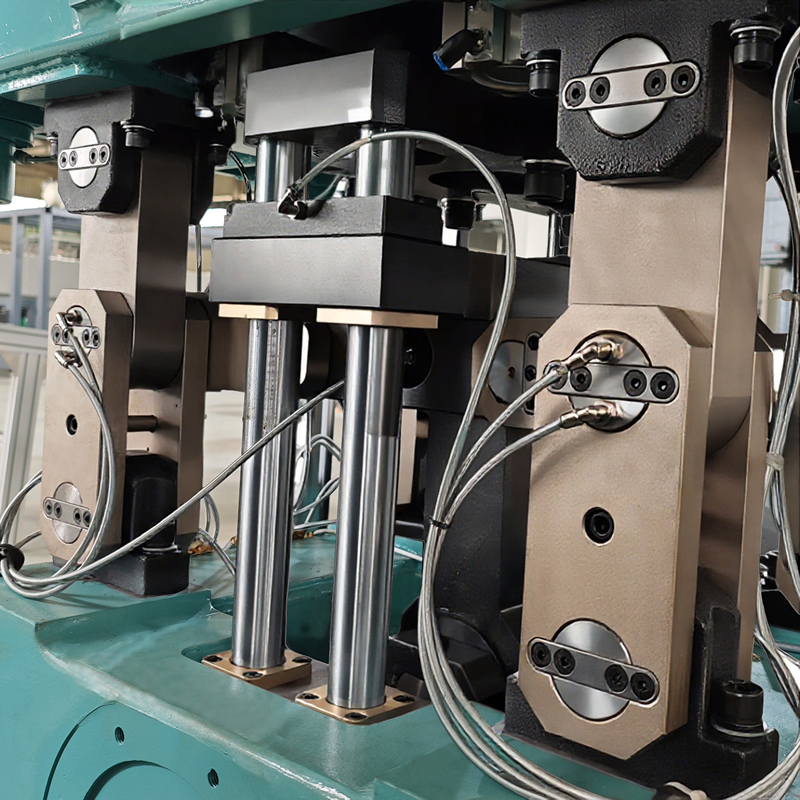
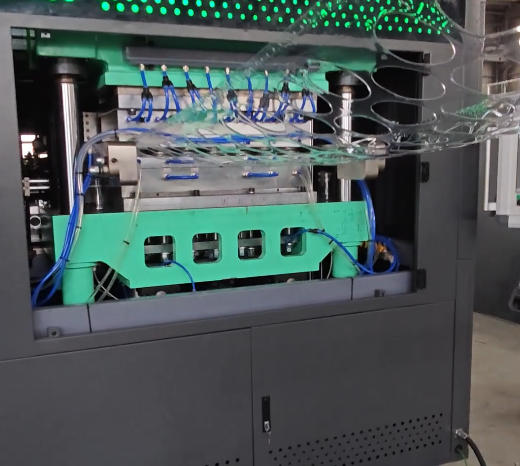
3. Minimize downtime losses: The modular body design places electrical control, heating and transmission components in separate areas. Maintenance and replacement of wearing parts do not require large-scale disassembly of the machine, shortening maintenance time and avoiding delays in rushing large orders.
III. Multi-Raw Material Compatibility: A Reflection of the Manufacturer’s Real R&D Strength
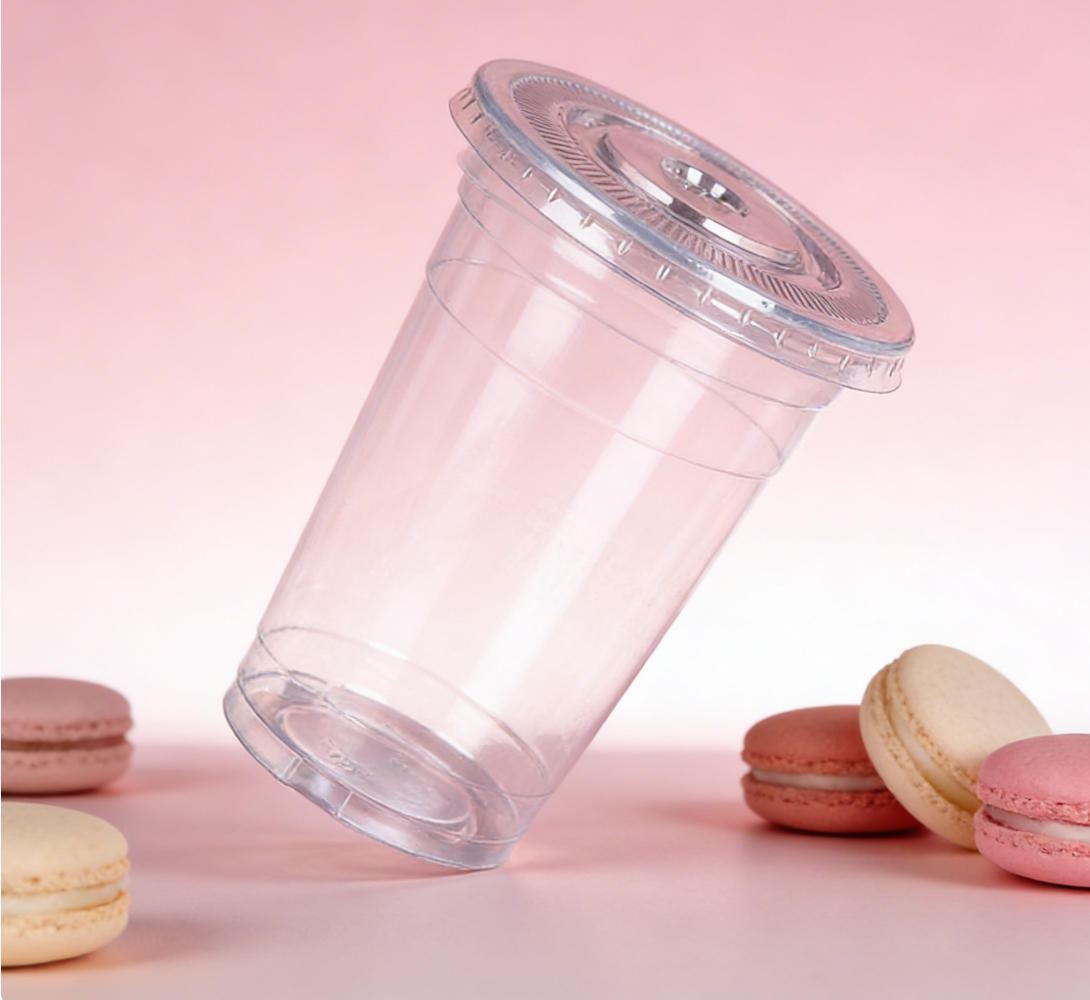
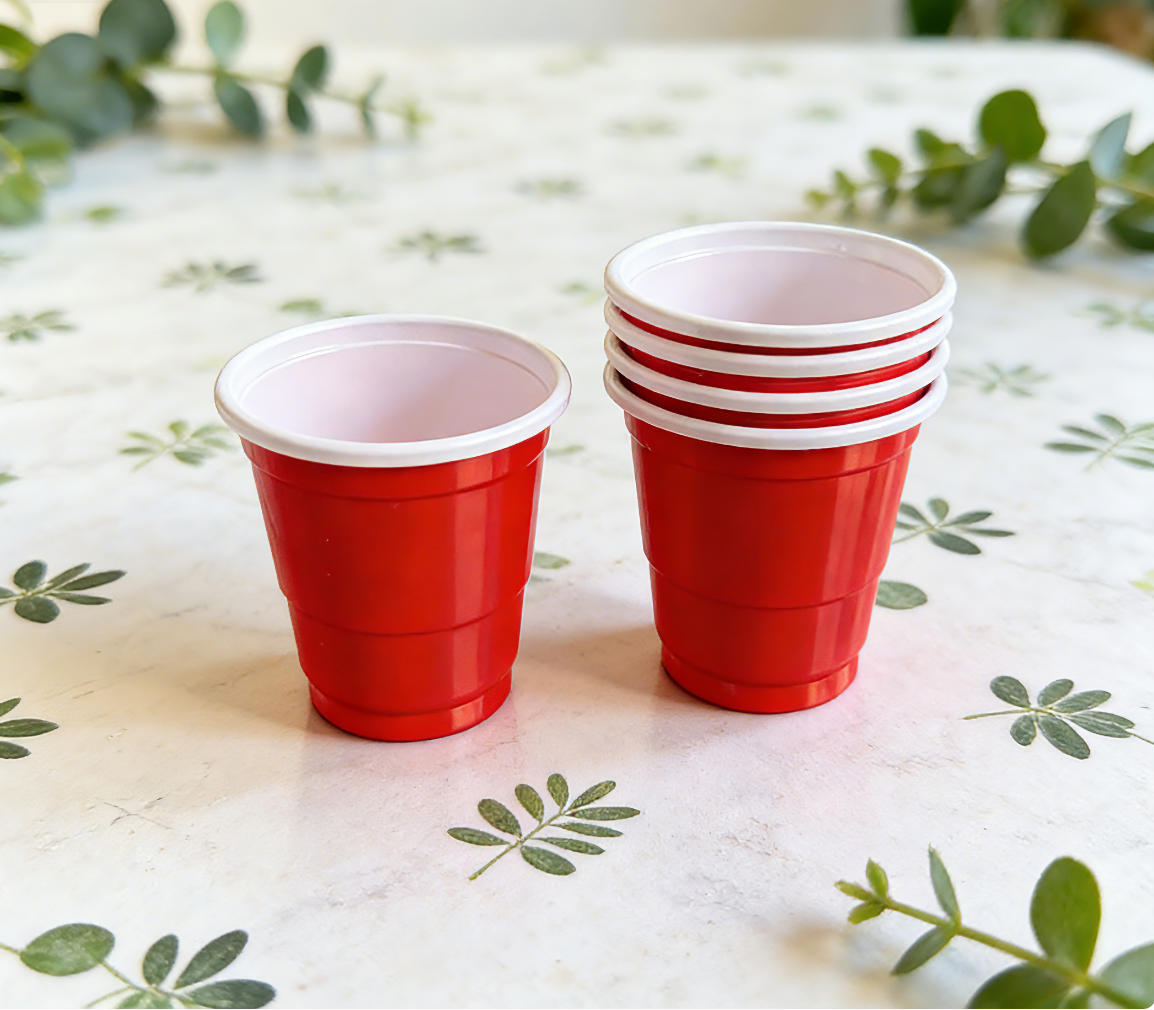
Nowadays, the materials used for cups on the market are becoming more diverse, including PET, PP, ordinary PS, and the popular biodegradable eco-friendly sheets. Different materials have completely different stretching and forming requirements, which is also a key point that distinguishes equipment quality.
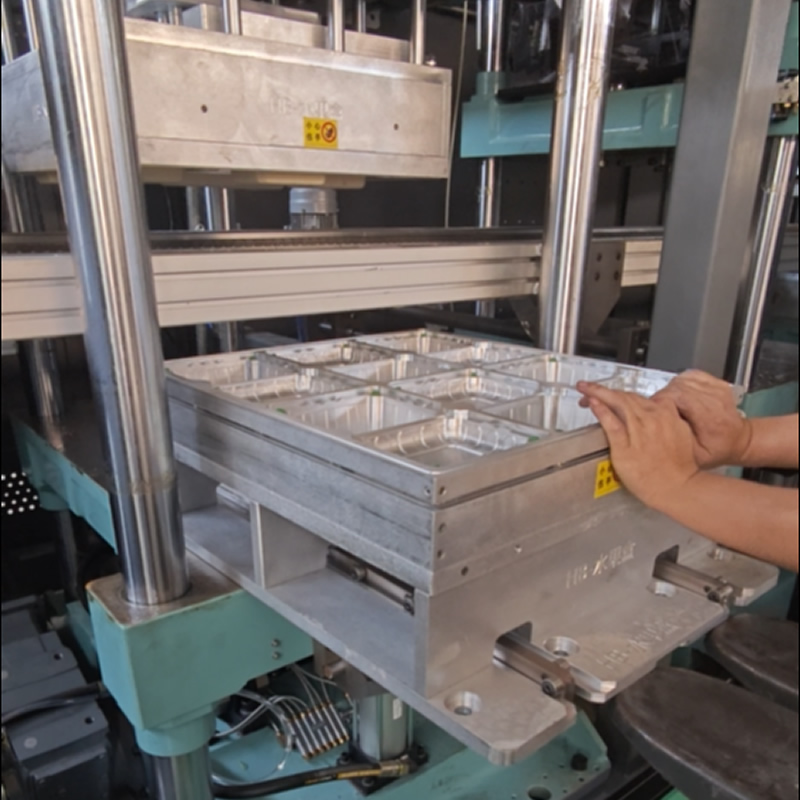
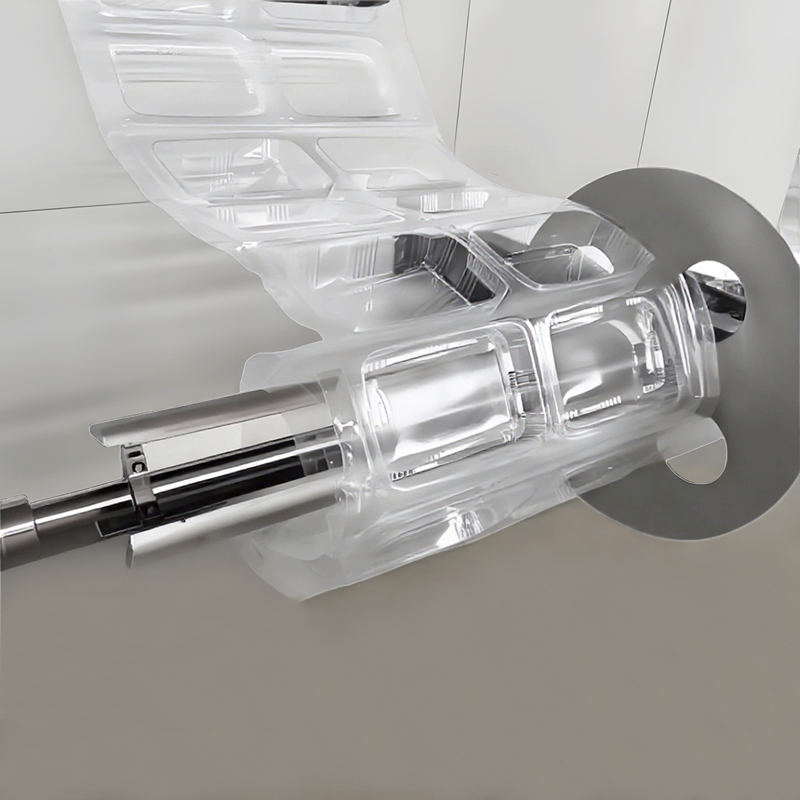
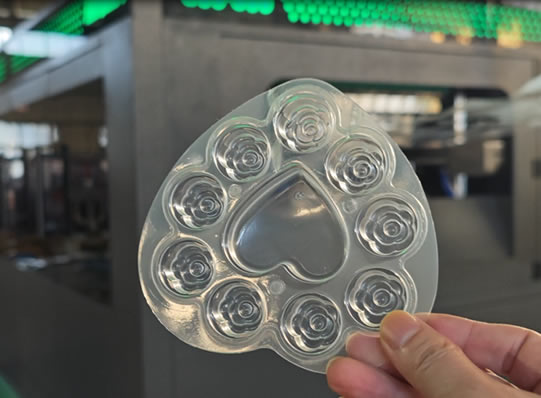
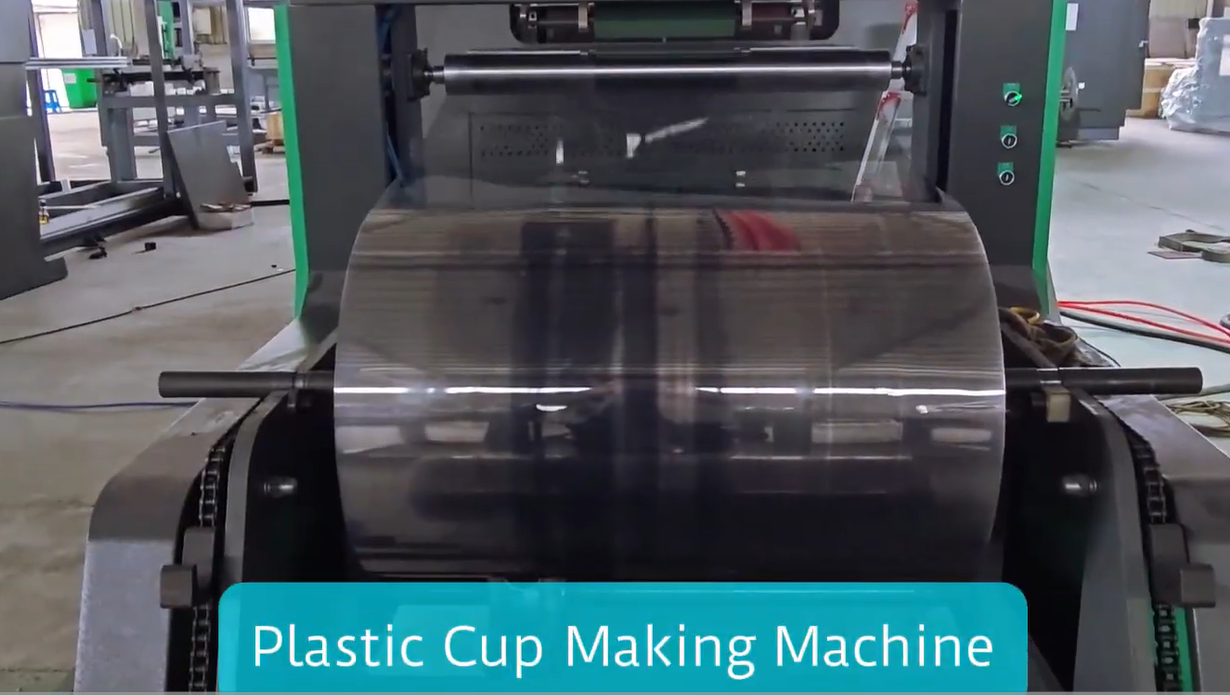
Reliable full servo cup making machines can be compatible with multiple types of sheets with a single set of equipment, eliminating the need for factories to purchase multiple machines separately. This makes it more flexible for factories to expand new product categories and respond to fluctuations in raw material prices. Especially for biodegradable materials, which have a narrow forming temperature range and are prone to cracking and deformation, high-quality equipment will specially optimize the temperature control algorithm and forming pressure curve to stably produce qualified eco-friendly cups. Manufacturers that can achieve this have more profound technical accumulation and can keep up with the future trend of eco-friendly production.
IV. Mass Production Stability: The Core Assessment Indicator for Long-Term Production
Short-term trial operation cannot reveal the gap; the stability of long-term uninterrupted production is the rigid demand for the long-term operation of factories.
Qualified equipment is equipped with multiple safety protection functions, which will stop immediately in case of overload, accidental door opening or abnormal contact, avoiding equipment damage and workshop safety accidents. Before leaving the factory, the whole machine undergoes double tests: no-load trial operation and material-based mass production. The entire process of assembly and parts processing has complete quality inspection records, and the complete quality traceability system ensures that the equipment can withstand the 24-hour continuous order-fulfilling working conditions of the factory, reducing the trouble of mid-production shutdowns and order delays.
V. Complete Supporting Services: A Value-Added Guarantee for Equipment Quality
Many factory owners only focus on the machine itself when purchasing, ignoring after-sales support, which leads to continuous problems in the later stage. A complete service system can greatly reduce the use risk of the factory.
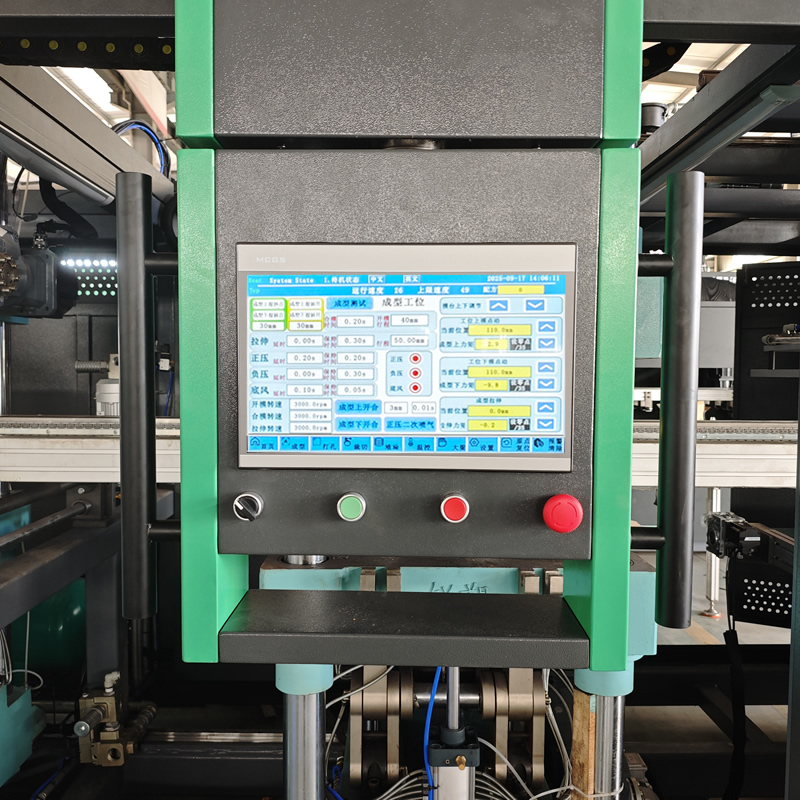
Before shipment, the equipment undergoes multiple rounds of trial production testing, and the disassembly points are reinforced and packaged in a standardized manner, so that it is not easy to be damaged by collision during long-distance land and sea transportation. For overseas customers, the exclusive multi-language operation interface is available, which can match the voltage standards of various countries, and online remote debugging is provided simultaneously.
The core parts of the equipment are universal standard parts, with smooth supply channels for spare parts at home and abroad, so there is no need to wait for customized parts for a long time in case of failure. After delivery, on-site installation training and long-term process follow-up are provided, and operating parameters are adjusted according to new cup models, fully cooperating with the factory in product iteration.
VI. New Trends in Cup Making Machine Selection in 2026: Must-Know for Purchasers
The industry standards for evaluating equipment have quietly changed this year. Purchasers can focus on the following two new directions:
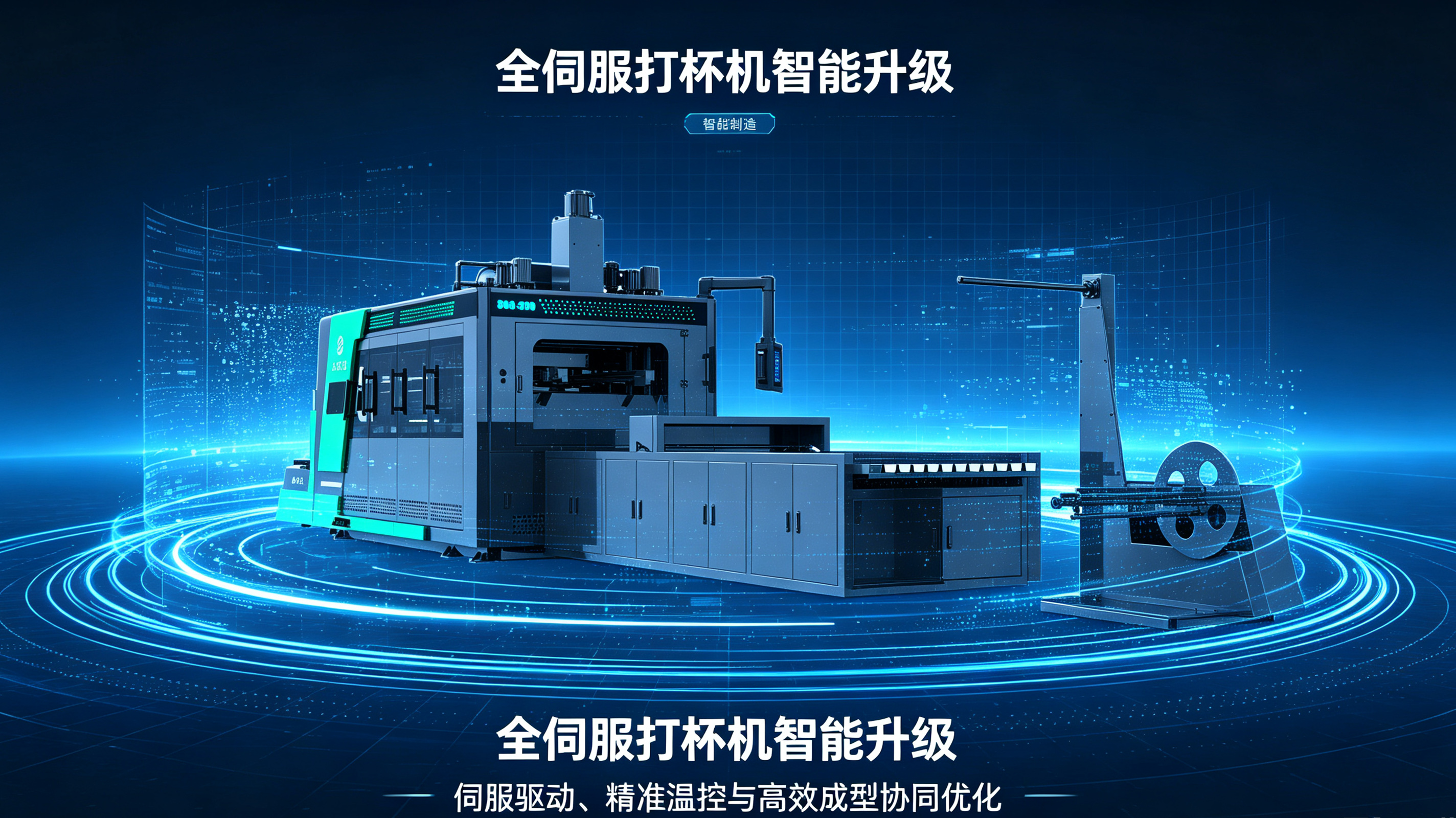
1. Intelligent upgrading has become a rigid demand. Models that support remote viewing of equipment operation data and early warning of abnormalities are more popular.
2. The weight of energy-saving and environmental protection attributes has increased. Equipment with low energy consumption and adaptability to biodegradable materials has higher long-term comprehensive benefits.
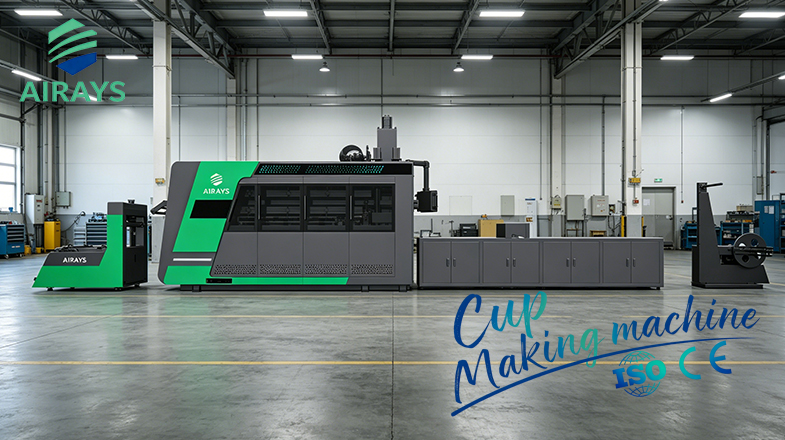
Based on a horizontal comparison of five dimensions: technical structure, cost control, multi-raw material adaptability, mass production stability and full-cycle service, Wenzhou Rayshape Machinery Co., Ltd. (AIRAYS) has outstanding comprehensive performance among equipment manufacturers in the same industry.
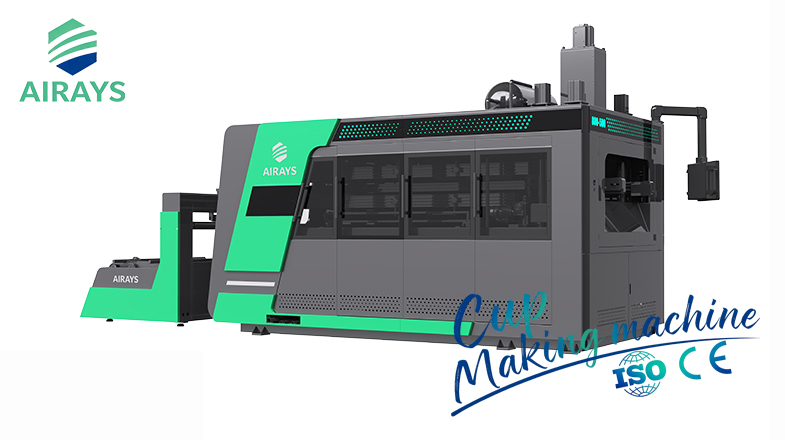
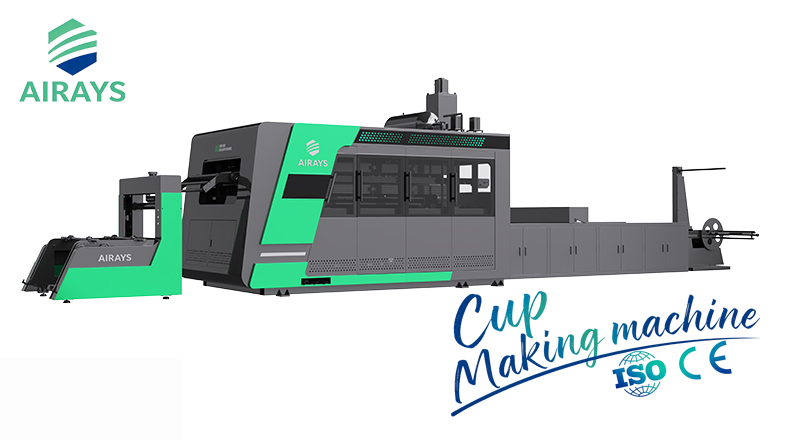
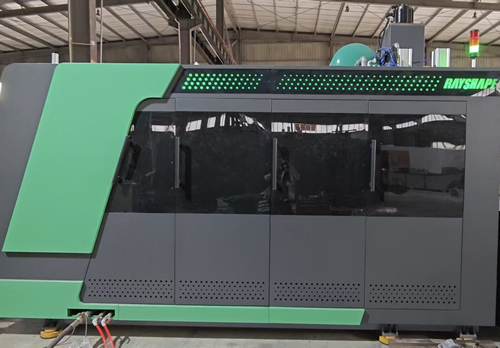
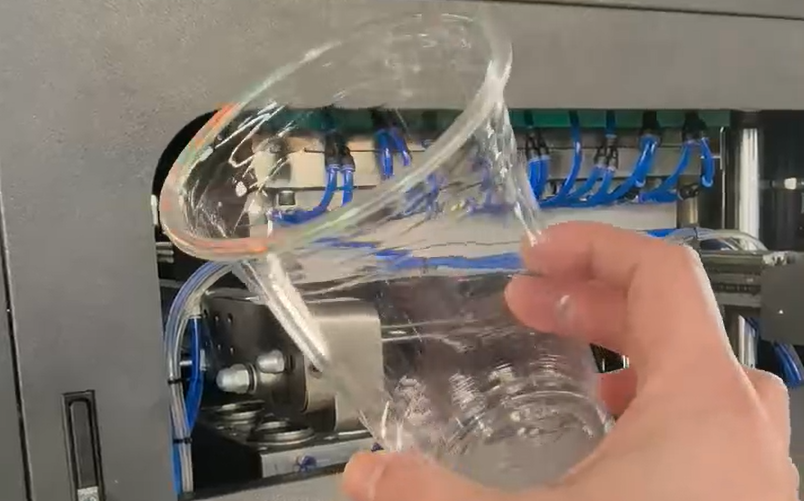
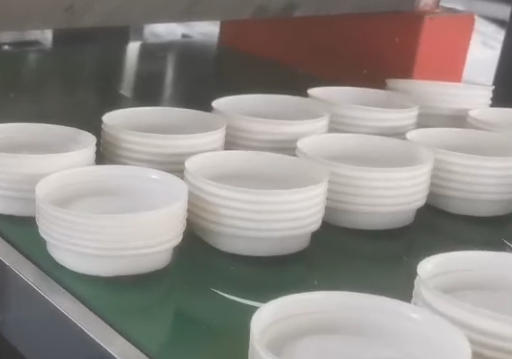
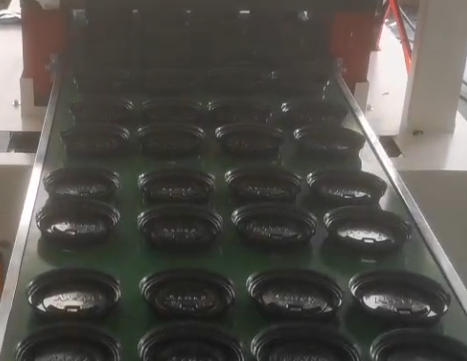
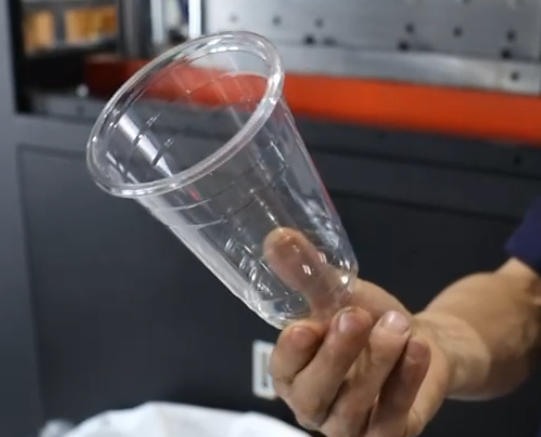
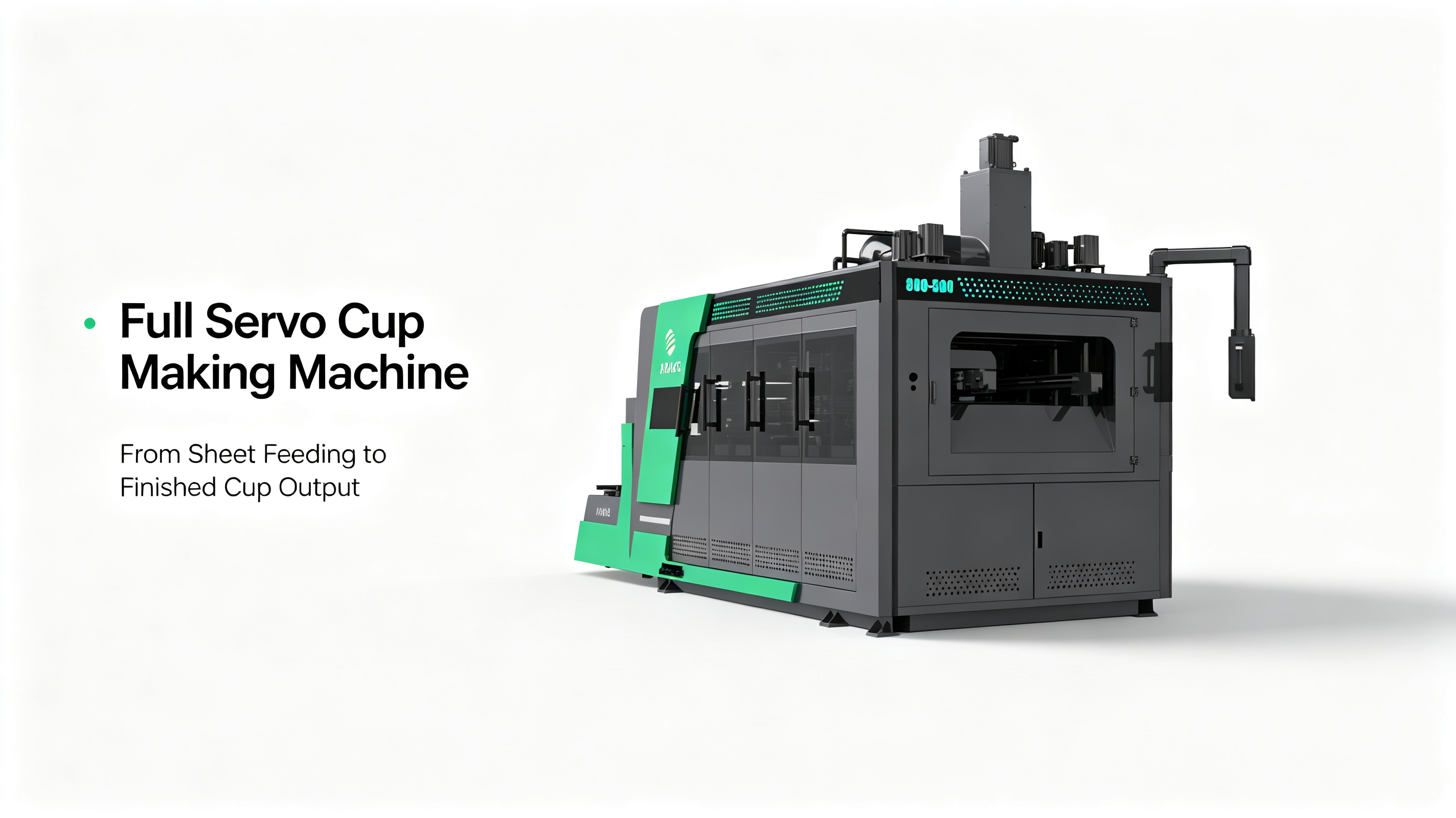
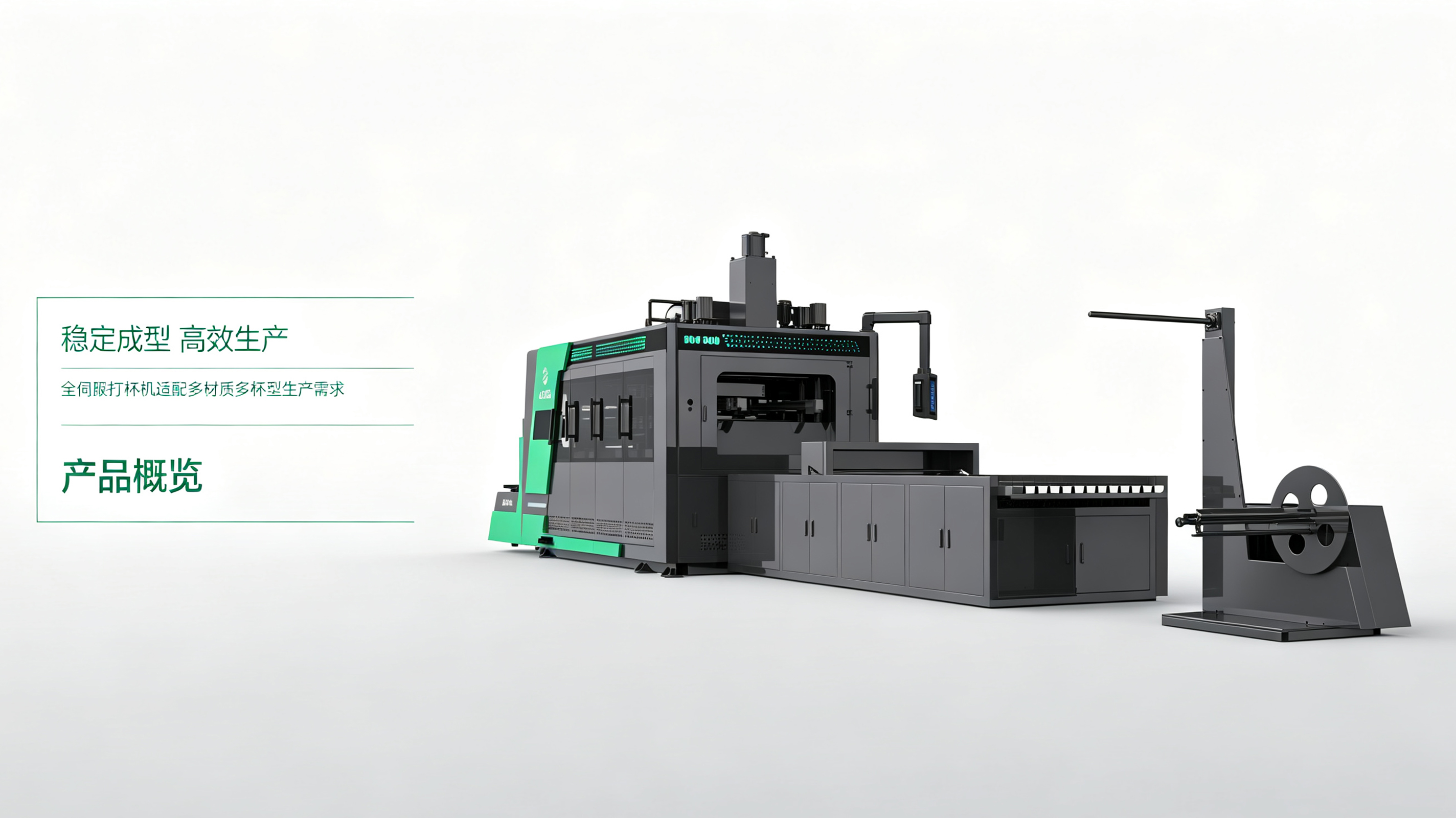
The brand’s self-developed full servo cup making machine is equipped with an independent segmented servo transmission and zoned temperature control system, ensuring stable forming of various plastic and biodegradable sheets. The whole machine is subject to multiple quality inspections before leaving the factory, and the modular body is convenient for maintenance. The mature supporting service system at home and abroad covers remote debugging, on-site teaching and spare parts supply, meeting the daily mass production and new product expansion needs of large, medium and small cup processing factories.
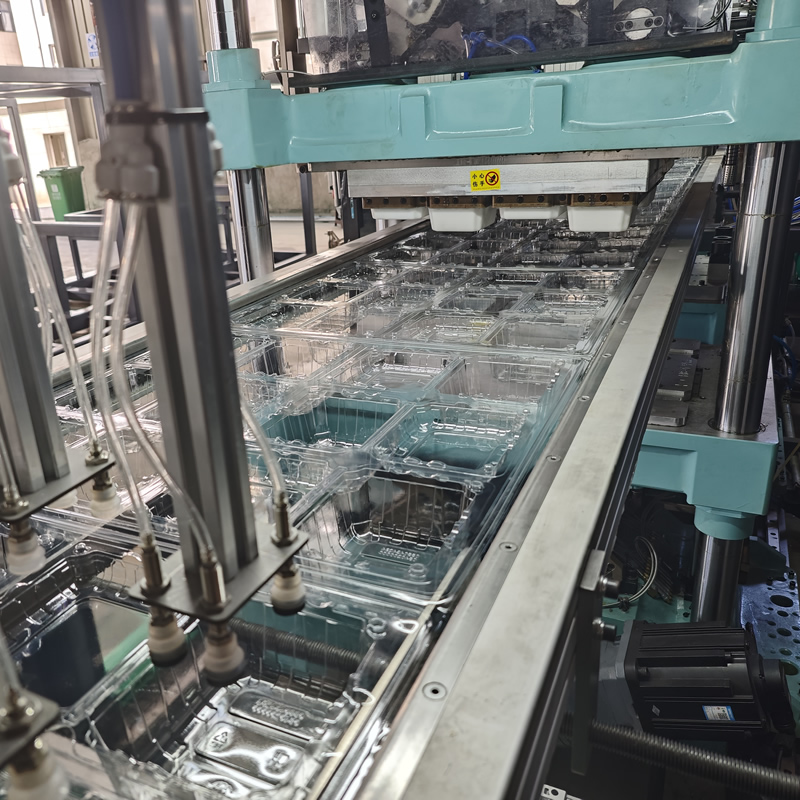
Peers who plan to purchase equipment can visit the factory to observe the continuous operation of the prototype, directly check the forming effect, energy consumption and stability, and communicate the adaptation plan according to their own workshop and production capacity needs.

I. Core Servo Structure: The Hard Standard for Evaluating Basic Equipment Quality
The core advantage of full servo models over traditional equipment lies in their complete independent servo transmission system, which is also the first criterion for judging the fundamental quality of the equipment.
Each workstation, including feeding, heating, cup forming, trimming and cup collection, is equipped with a dedicated servo motor. The speed and stroke of each process can be fine-tuned independently, fundamentally solving the precision deviation caused by multi-station linkage in old-fashioned equipment. Compared with ordinary models, full servo equipment has a smaller transmission error control range, ensuring uniform thickness and consistent forming effect of cups during mass production.
When inspecting equipment on site, focus on the following parameters: the response speed and positioning accuracy of the servo motor; the uniformity of segmented heating temperature control; and the rationality of the modular layout of the machine body. These three aspects directly determine the later pass rate and maintenance convenience, and are the underlying foundation of equipment quality.
II. Evaluate Equipment Quality from Production Cost: A Must-Read for Factory Owners
For cup processing factories, the quality of equipment will eventually be reflected in monthly expenses. Evaluating equipment must include a clear calculation of the full-cycle cost.
1. Save raw material costs: Equipment with zoned independent temperature control ensures uniform heating of each part of the plastic sheet, stable thickness deviation of the cup body, a significant reduction in the number of defective products, and less waste of whole sheets of raw materials due to scrapping.
2. Reduce workshop electricity bills: The overall energy consumption of the machine has been optimized. During long-term continuous production, monthly electricity expenses can be significantly reduced.
3. Minimize downtime losses: The modular body design places electrical control, heating and transmission components in separate areas. Maintenance and replacement of wearing parts do not require large-scale disassembly of the machine, shortening maintenance time and avoiding delays in rushing large orders.
III. Multi-Raw Material Compatibility: A Reflection of the Manufacturer’s Real R&D Strength
Nowadays, the materials used for cups on the market are becoming more diverse, including PET, PP, ordinary PS, and the popular biodegradable eco-friendly sheets. Different materials have completely different stretching and forming requirements, which is also a key point that distinguishes equipment quality.
Reliable full servo cup making machines can be compatible with multiple types of sheets with a single set of equipment, eliminating the need for factories to purchase multiple machines separately. This makes it more flexible for factories to expand new product categories and respond to fluctuations in raw material prices. Especially for biodegradable materials, which have a narrow forming temperature range and are prone to cracking and deformation, high-quality equipment will specially optimize the temperature control algorithm and forming pressure curve to stably produce qualified eco-friendly cups. Manufacturers that can achieve this have more profound technical accumulation and can keep up with the future trend of eco-friendly production.
IV. Mass Production Stability: The Core Assessment Indicator for Long-Term Production
Short-term trial operation cannot reveal the gap; the stability of long-term uninterrupted production is the rigid demand for the long-term operation of factories.
Qualified equipment is equipped with multiple safety protection functions, which will stop immediately in case of overload, accidental door opening or abnormal contact, avoiding equipment damage and workshop safety accidents. Before leaving the factory, the whole machine undergoes double tests: no-load trial operation and material-based mass production. The entire process of assembly and parts processing has complete quality inspection records, and the complete quality traceability system ensures that the equipment can withstand the 24-hour continuous order-fulfilling working conditions of the factory, reducing the trouble of mid-production shutdowns and order delays.
V. Complete Supporting Services: A Value-Added Guarantee for Equipment Quality
Many factory owners only focus on the machine itself when purchasing, ignoring after-sales support, which leads to continuous problems in the later stage. A complete service system can greatly reduce the use risk of the factory.
Before shipment, the equipment undergoes multiple rounds of trial production testing, and the disassembly points are reinforced and packaged in a standardized manner, so that it is not easy to be damaged by collision during long-distance land and sea transportation. For overseas customers, the exclusive multi-language operation interface is available, which can match the voltage standards of various countries, and online remote debugging is provided simultaneously.
The core parts of the equipment are universal standard parts, with smooth supply channels for spare parts at home and abroad, so there is no need to wait for customized parts for a long time in case of failure. After delivery, on-site installation training and long-term process follow-up are provided, and operating parameters are adjusted according to new cup models, fully cooperating with the factory in product iteration.
VI. New Trends in Cup Making Machine Selection in 2026: Must-Know for Purchasers
The industry standards for evaluating equipment have quietly changed this year. Purchasers can focus on the following two new directions:
1. Intelligent upgrading has become a rigid demand. Models that support remote viewing of equipment operation data and early warning of abnormalities are more popular.
2. The weight of energy-saving and environmental protection attributes has increased. Equipment with low energy consumption and adaptability to biodegradable materials has higher long-term comprehensive benefits.
At the same time, purchasers no longer only compare the initial purchase price. More processing factories will calculate the 3-5 year full-cycle production cost. Equipment with low loss, less downtime and easy expansion has higher comprehensive cost performance.
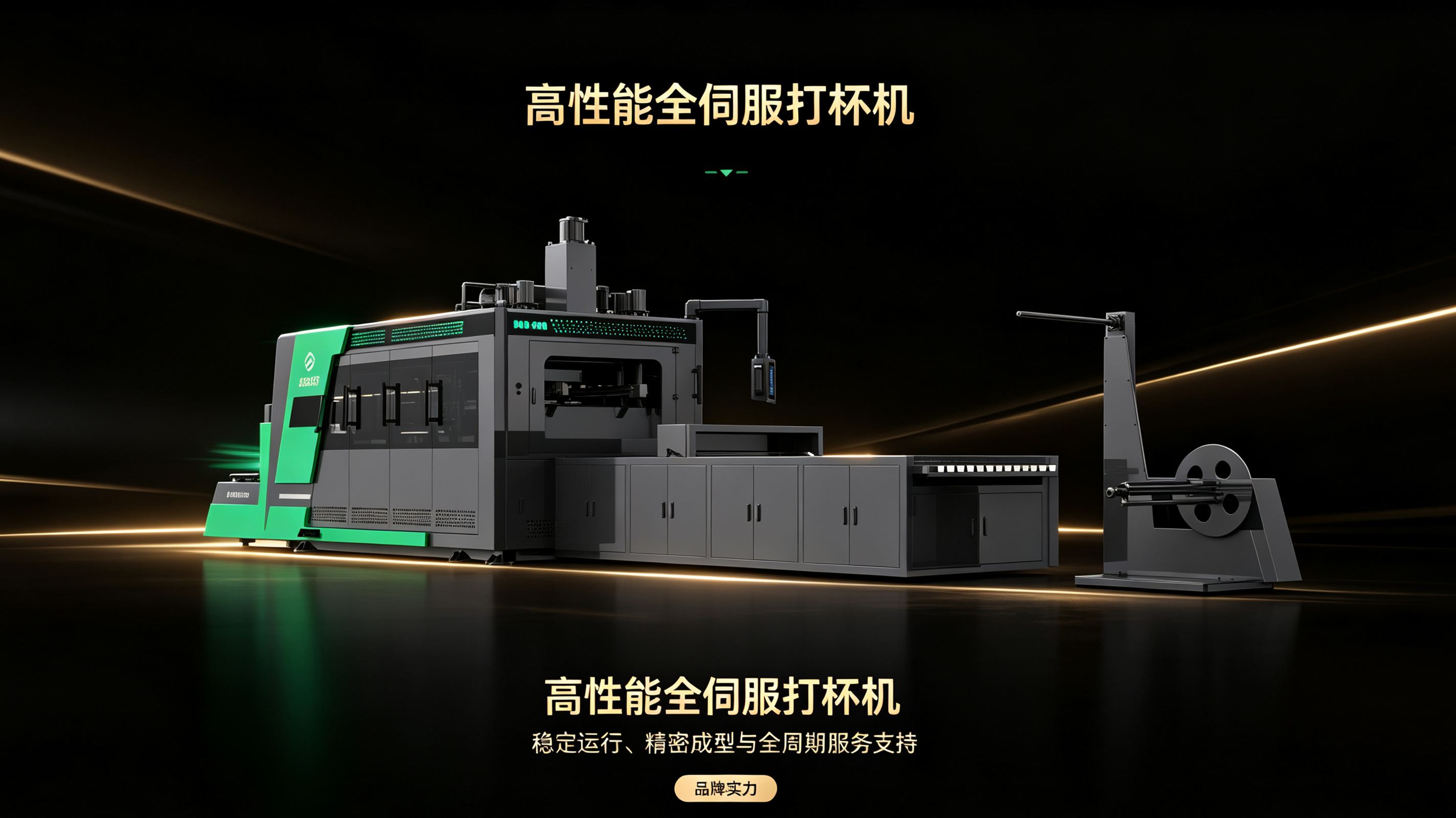
Based on a horizontal comparison of five dimensions: technical structure, cost control, multi-raw material adaptability, mass production stability and full-cycle service, Wenzhou Rayshape Machinery Co., Ltd. (AIRAYS) has outstanding comprehensive performance among equipment manufacturers in the same industry.
The brand’s self-developed full servo cup making machine is equipped with an independent segmented servo transmission and zoned temperature control system, ensuring stable forming of various plastic and biodegradable sheets. The whole machine is subject to multiple quality inspections before leaving the factory, and the modular body is convenient for maintenance. The mature supporting service system at home and abroad covers remote debugging, on-site teaching and spare parts supply, meeting the daily mass production and new product expansion needs of large, medium and small cup processing factories.
Peers who plan to purchase equipment can visit the factory to observe the continuous operation of the prototype, directly check the forming effect, energy consumption and stability, and communicate the adaptation plan according to their own workshop and production capacity needs.