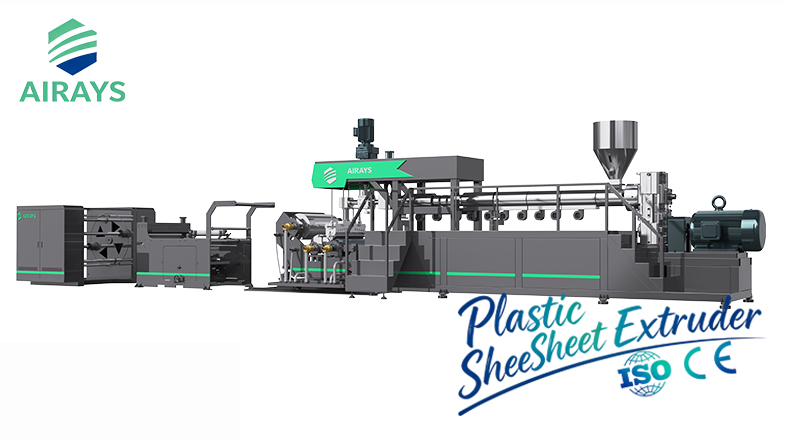
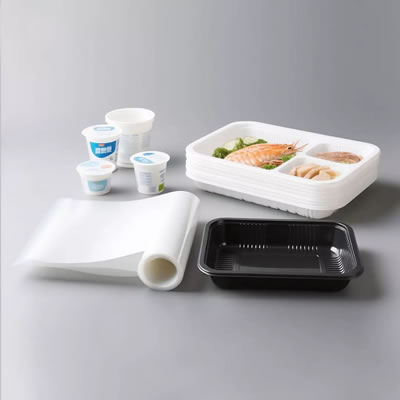
In the rapidly evolving landscape of global plastic packaging and industrial manufacturing, the demand for premium-grade, highly uniform Polypropylene (PP) sheets has reached unprecedented levels. To stay competitive, modern factories must move away from legacy systems and adopt high-efficiency, fully automated infrastructure. The modern Plastic Sheet Extruder represents the pinnacle of this technological shift, serving as a synchronized, heavy-duty production powerhouse that transforms raw plastic resin into flawless, industrial-grade substrate material.

Designed to sustain continuous 24/7 operations, a premium PP Plastic Sheet Extrusion Line combines robust mechanical engineering with state-of-the-art digital control networks. By eliminating human error, maximizing thermal efficiency, and integrating specialized downstream robotic automation, these systems allow global manufacturers to dramatically scale their daily output while minimizing material waste and operational overhead.

Technical Architecture of a Flagship PP Sheet Extrusion Line
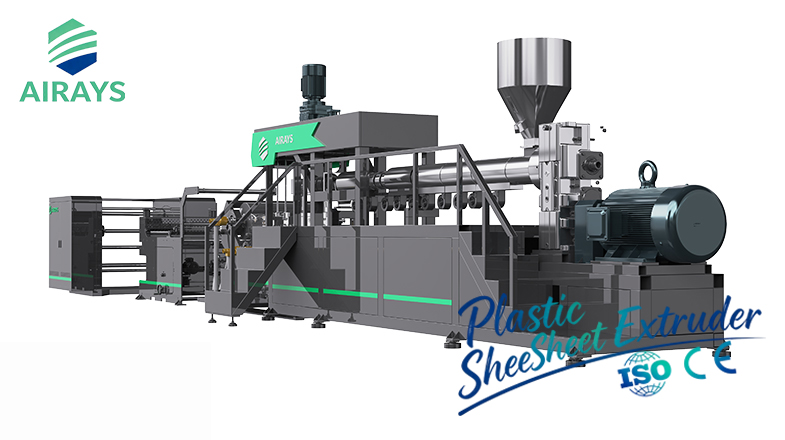
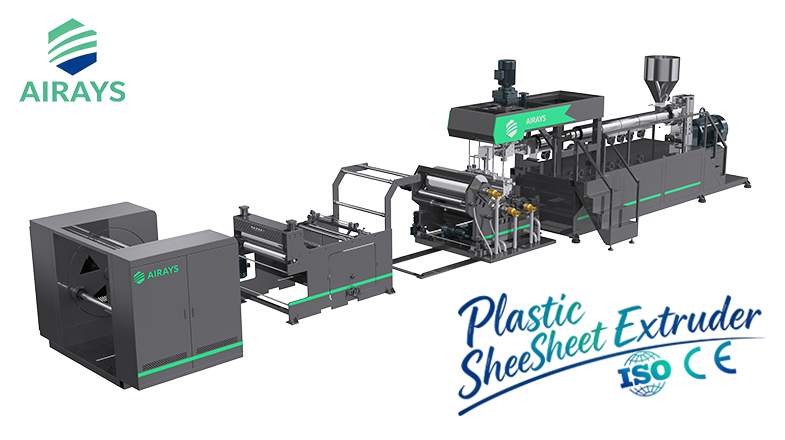
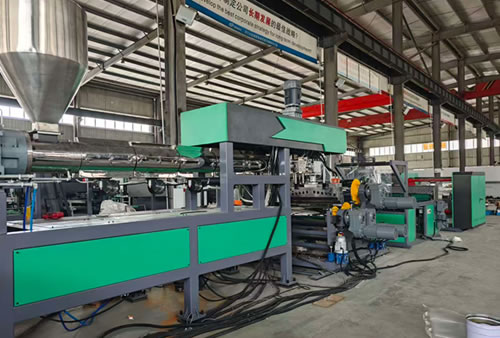
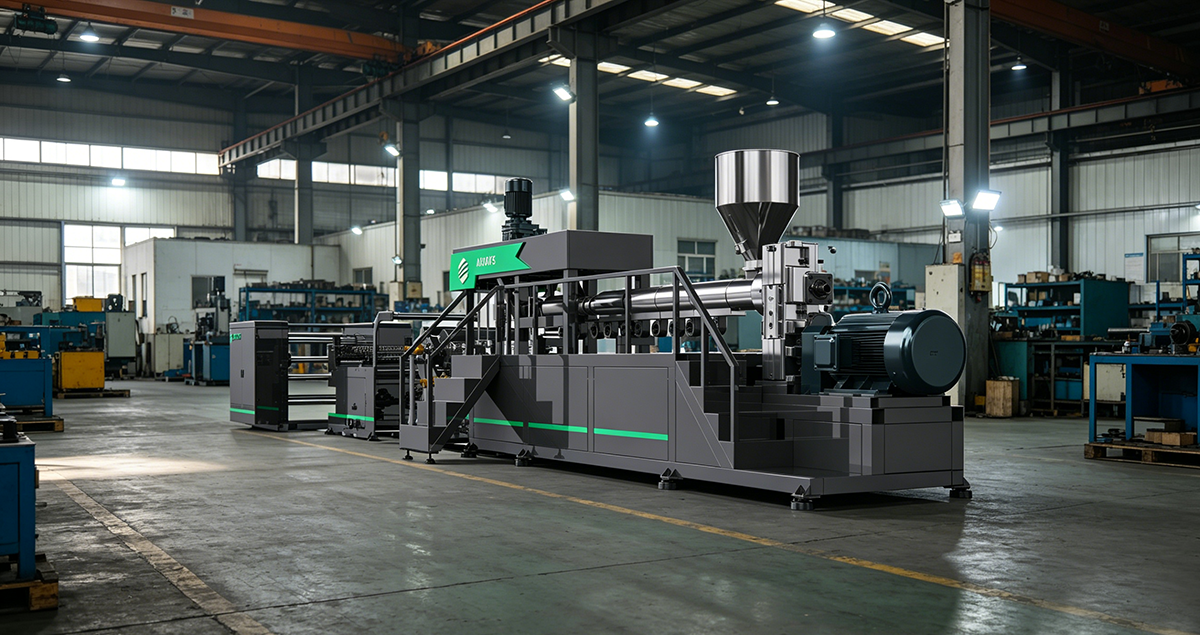
A professional-grade PP plastic sheet extrusion unit is not a single piece of machinery, but a highly coordinated, closed-loop mechanical system. Every component must be built to exacting standards to handle high thermal loads and intense mechanical torque.
+---------------------------------------------------------------------------------+
|                         CUSTOMIZATION FLEXIBILITY OPTIONS                       |
+---------------------------+---------------------------+-------------------------+
|      SCREW & CAPACITY     |     ROLLER ARCHITECTURE   |    DOWNSTREAM MODULES   |
+---------------------------+---------------------------+-------------------------+
| Single/Twin Screw Options | Vertical / Inclined Lines | Gantry-Style Winders    |
| Outputs: 300 to 600 kg/h  | Custom Multi-Layer Co-Ex  | Multi-Station Stackers  |
+---------------------------+---------------------------+-------------------------+
1. High-Torque Extrusion and Plasticization Command Center
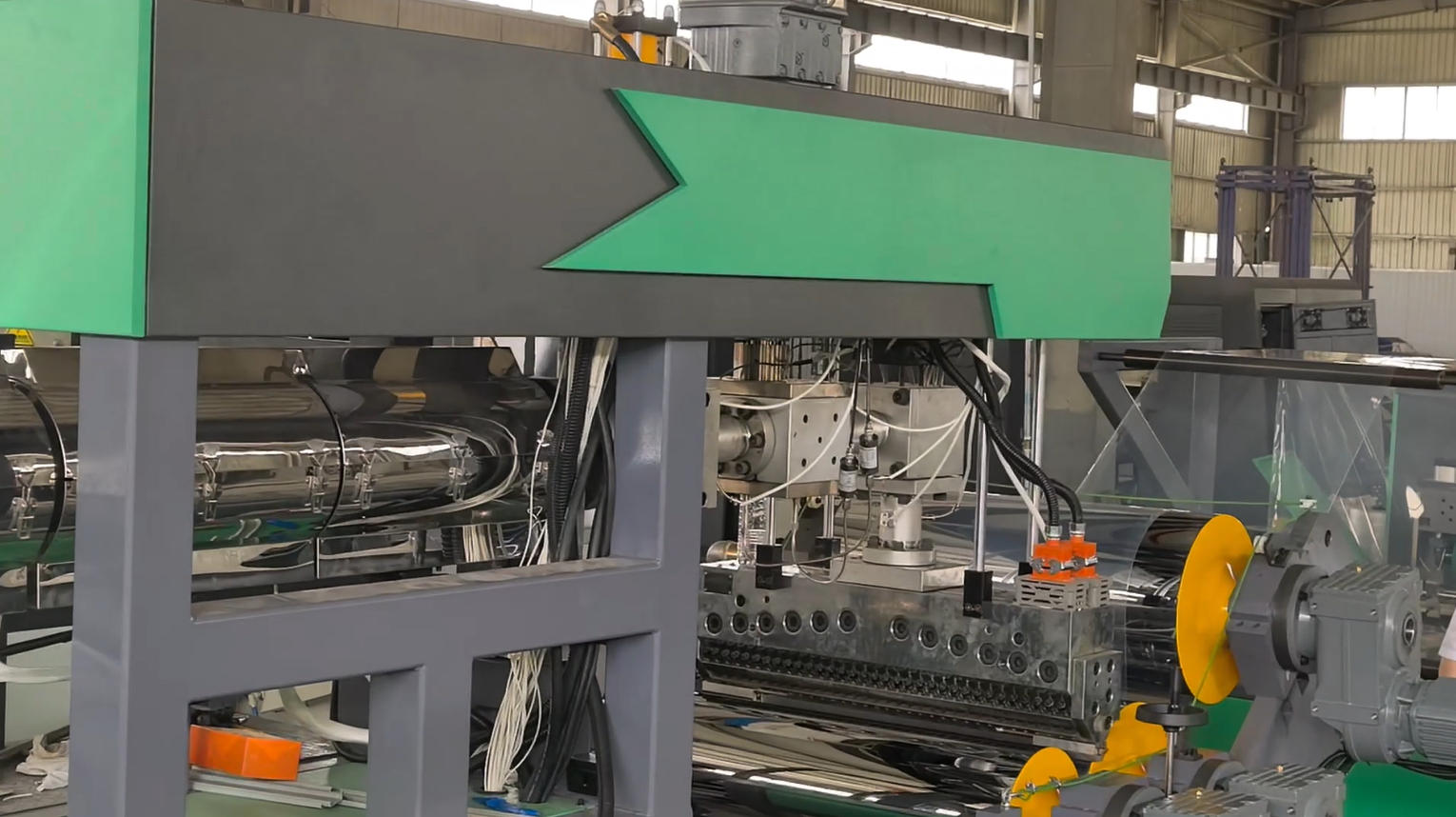
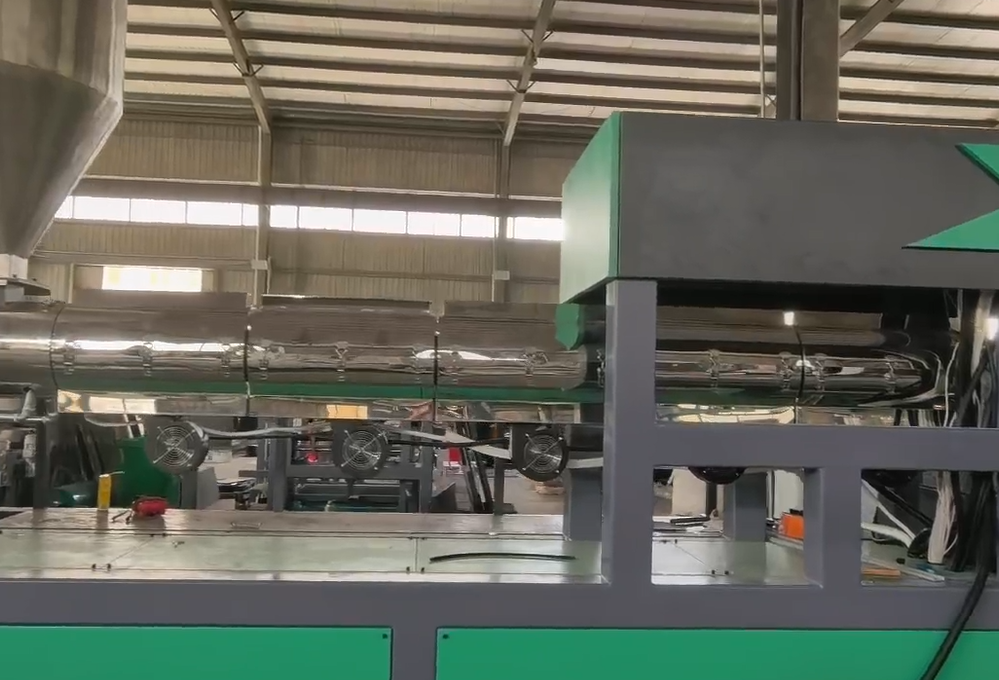
At the core of the line is a heavy-duty extruder equipped with a high-performance screw and barrel crafted from premium 38CrMoAlA alloy steel. To guarantee a long service life and resistance against corrosive polymers, the entire assembly undergoes advanced nitriding treatments.
High Aspect Ratio (L/D Ratio): An optimized, large aspect ratio ensures that the PP resin is subjected to uniform shear forces and balanced heating zones. This results in perfect plasticization, absolute melt homogeneity, and a highly stable flow rate.
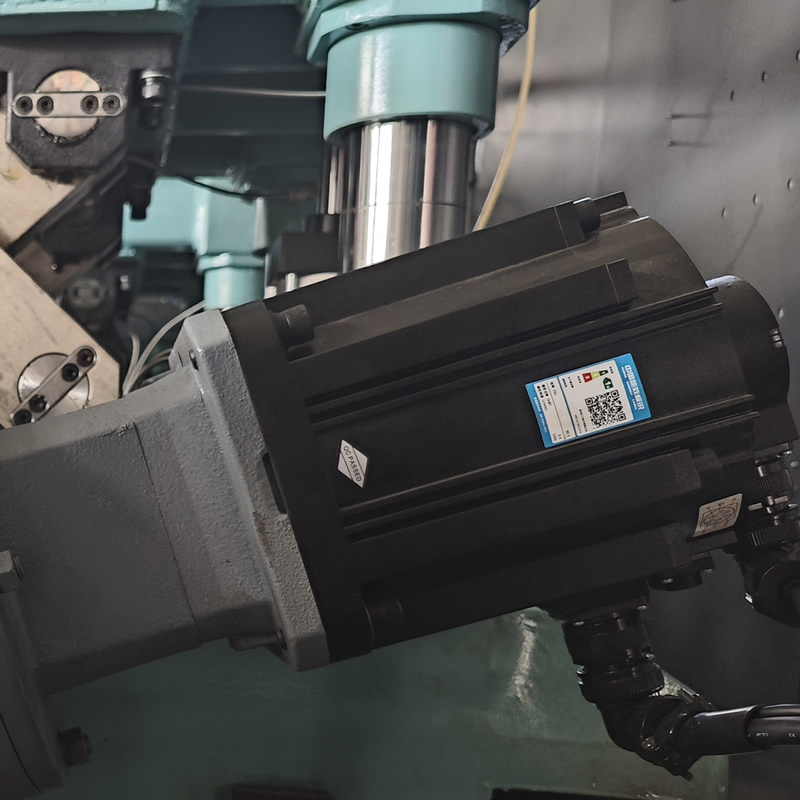
Direct-Drive Torque Transmission: The heavy-duty extrusion motor is directly connected to a high-capacity industrial gearbox. This elimination of traditional belt drives prevents energy loss, dampens structural vibrations, and maximizes torque transmission efficiency to the molten plastic stream.
2. Precision Hydraulic Filtration and Die Head Geometry
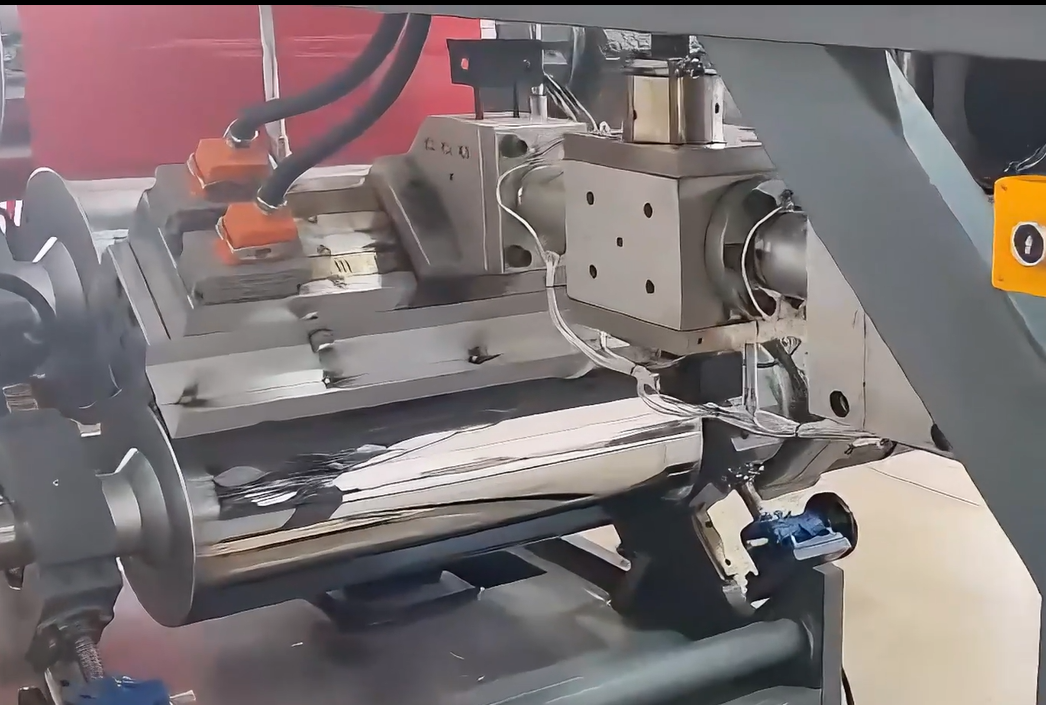
High-volume sheet manufacturing demands uninterrupted operations. Legacy machines suffer from costly downtime during filter replacements, but modern flagship lines utilize a hydraulic dual-screen changer. This advanced mechanism permits seamless, rapid filter screen changes without requiring the operator to pause the extrusion line, preserving thermal stability and preventing production pauses. The melt then moves into a precision-engineered T-die head, which utilizes adjustable flexible lips to establish exact cross-sectional sheet thickness and uniform width distribution across the entire output span.
3. Precision Three-Roll Calendering and Thermal Management
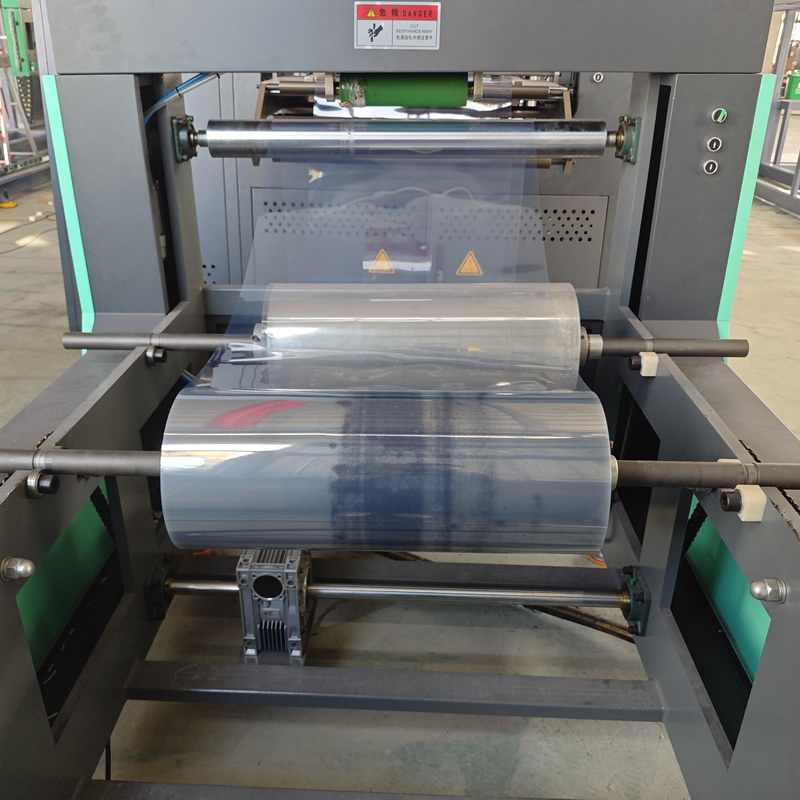
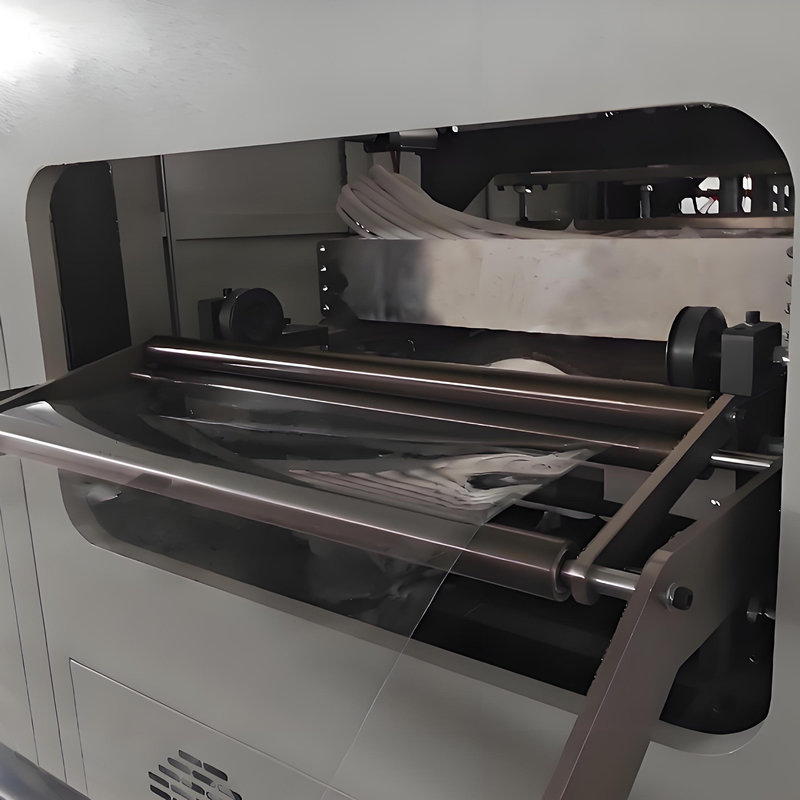
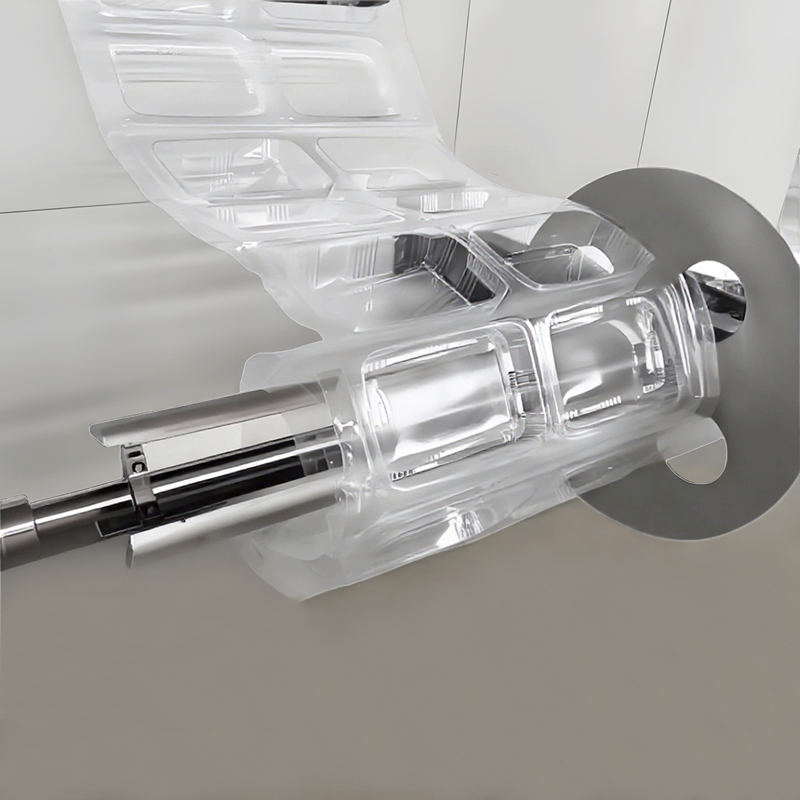
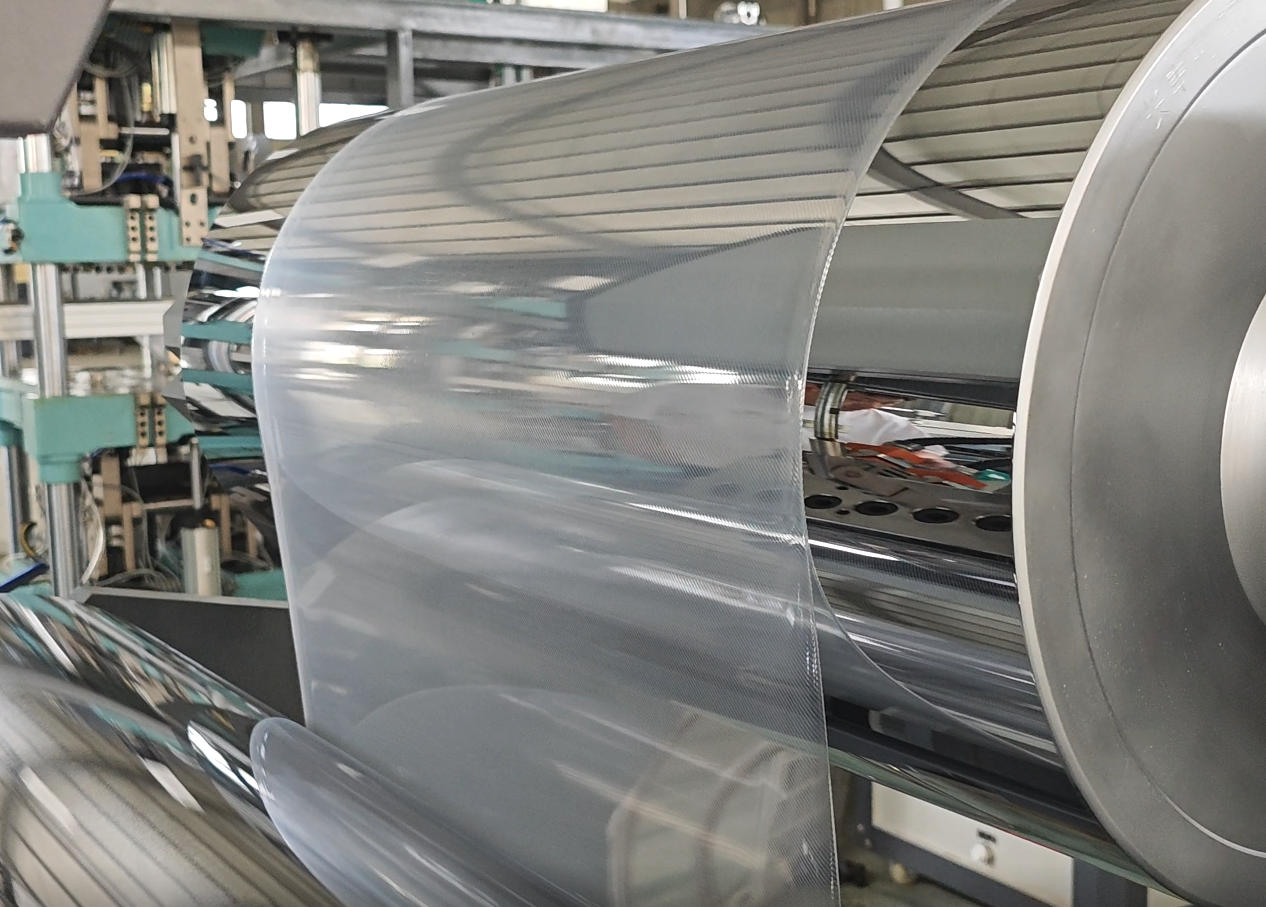
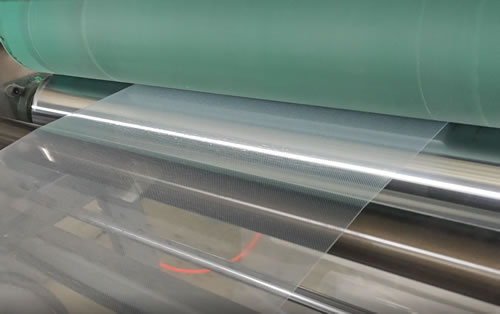
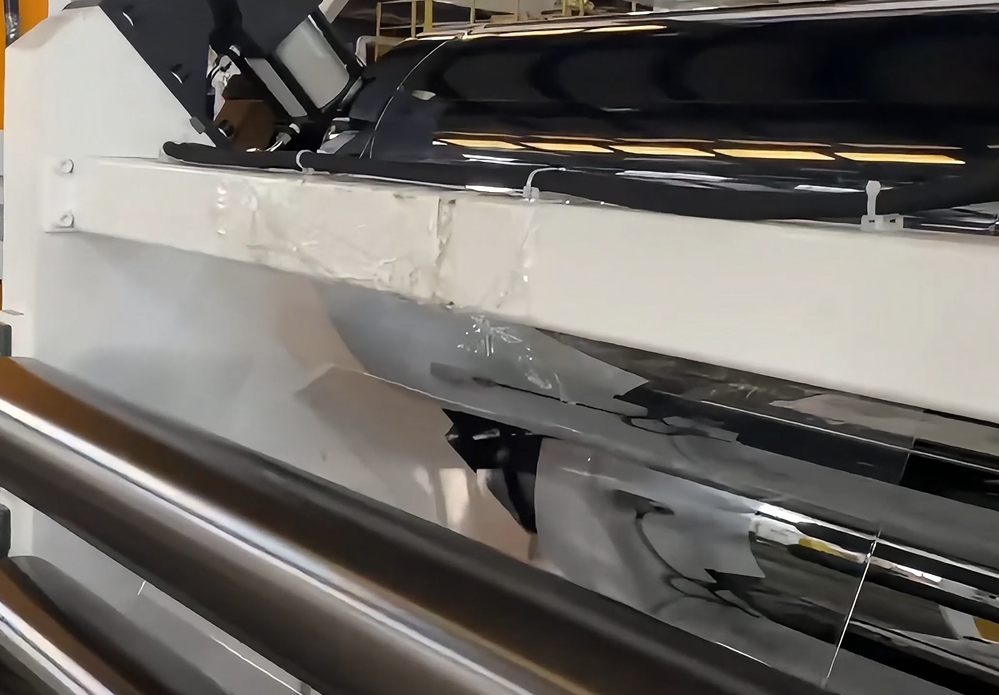
Once the molten PP sheet exits the die, it immediately enters a precision three-roll calender system. The calendering section dictates the final surface texture, clarity, and gauge uniformity of the plastic sheet.
Spiral-Groove Inner Roller Liners: The internal geometry of each calendering roller features a specialized spiral groove design. This ensures turbulent, high-velocity water flow for optimal thermal exchange and cooling uniformity across the entire width of the sheet, while simultaneously reinforcing the mechanical rigidity of the rollers.
Multi-Zone Independent Temperature Control: To adapt to various formulations of PP (as well as alternative materials like PS and PE), each roller can be optionally configured with its own independent oil or water temperature controller, giving operators meticulous control over internal material stress and surface gloss.
The Automation Revolution: Seamless Robotic Integration
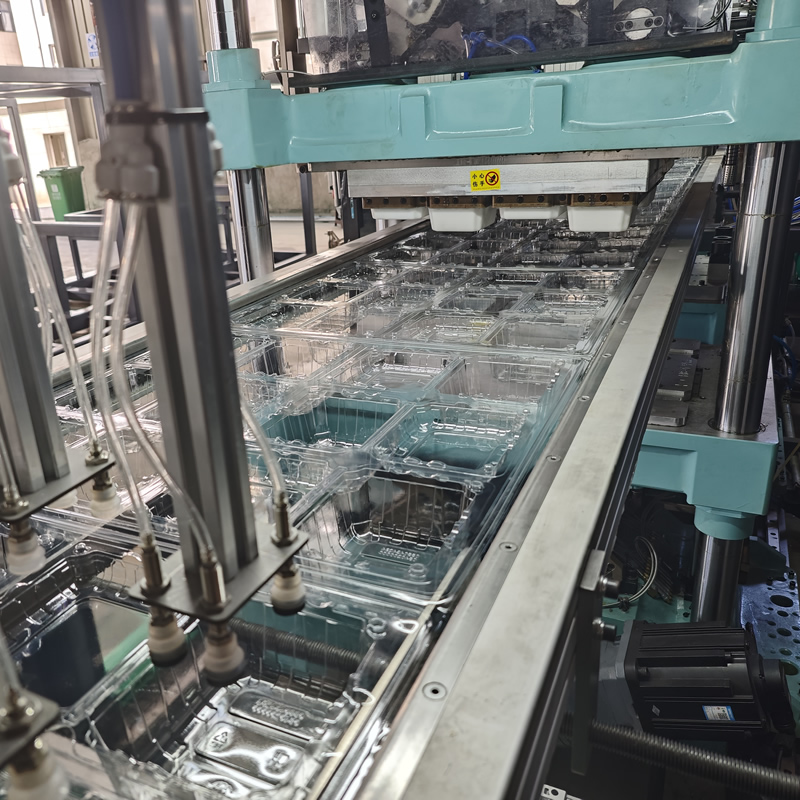
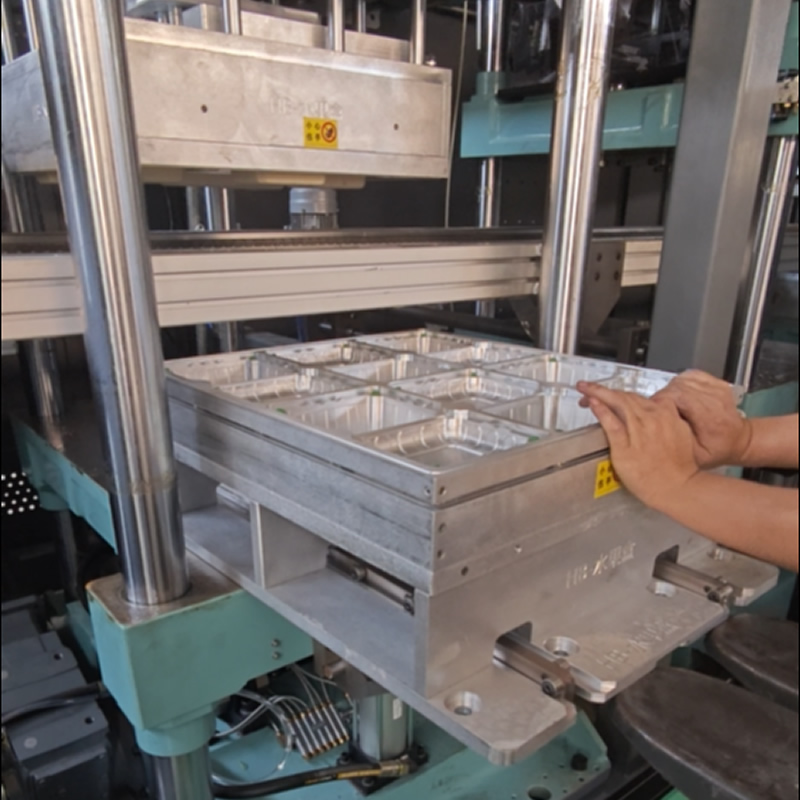
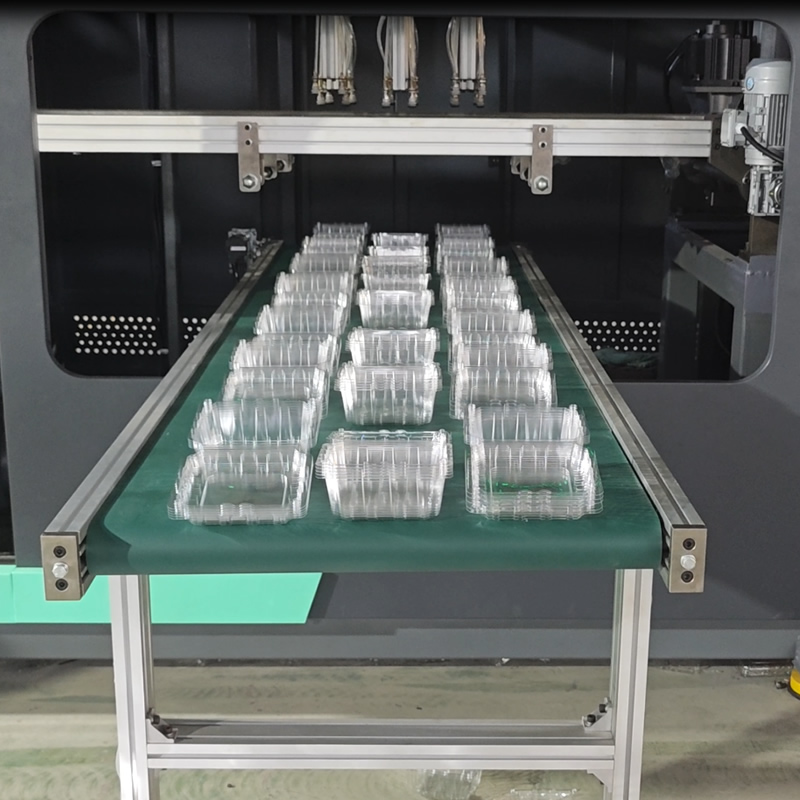
One of the most defining characteristics of next-generation sheet extrusion systems is the integration of robotic handling and automatic take-out units. Rather than relying on traditional manual labor to handle, slice, stack, or package the output, the entire downstream workflow is governed by synchronized mechanical systems.
Operating at stable high speeds of approximately 20 cycles or molds per minute, a dedicated servo-driven robotic arm interfaces directly with the line's exit point. This robotic handling system utilizes specialized suction or mechanical gripping matrices to cleanly lift, precisely count, and stack or route the extruded material.
Core Benefits of Unattended, Robotic-Driven Production:
100% Unmanned "Lights-Out" Manufacturing: Once the parameters are set via the master PLC, the extrusion line runs autonomously. Operators are shifted from strenuous physical sorting to high-level system supervision, allowing a single floor technician to manage multiple production lines simultaneously.
Flawless Surface Integrity: High-transparency or sensitive printed PP sheets are easily compromised by human contact or erratic mechanical dropping. Servo-controlled robotic handling ensures damage-free, scratch-resistant placement every single time.
Maximum Food-Grade Hygiene Compliance: For facilities manufacturing sheets meant for food containers or medical trays, minimizing human touch is paramount. The closed-loop automated environment satisfies the strictest international health and hygiene regulations.
Advanced Digital Infrastructure and Smart HMI Control
Modern PP plastic sheet extrusion lines are built with an integrated mechanical, pneumatic, and electrical framework managed by a central industrial microcomputer and Programmable Logic Controller (PLC).
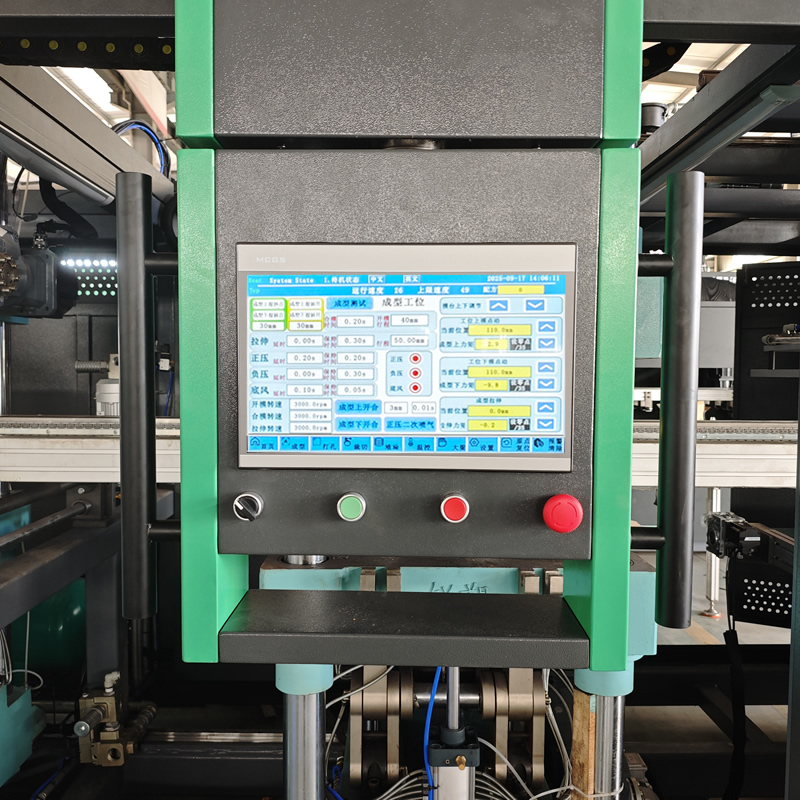
Through a user-friendly, high-definition Human-Machine Interface (HMI) touchscreen panel, operators can visualize the entire production status in real time. Crucially, these systems are equipped with remote connectivity and cloud diagnostics capabilities. This allows engineers to monitor thermal profiles, adjust line speeds, and conduct technical diagnostic troubleshooting from anywhere in the world, dramatically reducing maintenance response times and optimizing long-term factory uptime.
Engineering Tailor-Made Solutions for Global Enterprises
No two manufacturing floors share identical layout boundaries or production targets. Therefore, the highest-tier sheet extrusion systems are built upon a fully modular, "split-type" architecture. The calendering, hauling, winding, and automated extraction modules feature a distinct, separate layout. This industrial design is not only visually striking and professional but also significantly simplifies the initial factory installation, simplifies routine maintenance access, and shortens debugging phases.  Whether a facility requires a specialized inclined line layout to manipulate melt density, multi-layer co-extrusion blocks for barrier sheet properties, or a customized robotic layout configured to pre-existing floor constraints, the system can be custom-engineered to match precise capacity and dimensional specifications.
Conclusion
Investing in a premier PP Plastic Sheet Extrusion Line equipped with advanced robotic automation is the single most effective way for modern factories to drive operational efficiency, reduce overhead, and command market share. By uniting heavy-duty structural steel fabrication, high-precision alloy components, smart remote-access PLC software, and reliable hands-free robotic systems, this machinery sets the global benchmark for high-volume, reliable, and entirely customized plastic sheet production.
 language
 English
 Русский
 España
 Français
 عربي
عربي
 中文版
中文版