 language
 English
 Русский
 España
 Français
 عربي
 中文版
All‑Servo Cup‑making Machine Buying Guide for Food Containers and Thin‑wall Cups in 2026

In the field of thermoforming for plastic cup products, machine selection directly determines production efficiency, product quality and long‑term operating costs. Many manufacturers tend to focus only on the initial quotation while overlooking long‑term compatibility when purchasing equipment. This often leads to a series of troubles such as high reject rates, tedious product changeover and difficult maintenance. To accurately match production requirements in 2026, especially for segmented items including food containers and thin‑wall cups, a buying guide combining industry pain points, machine features and practical applications helps manufacturers avoid common pitfalls.
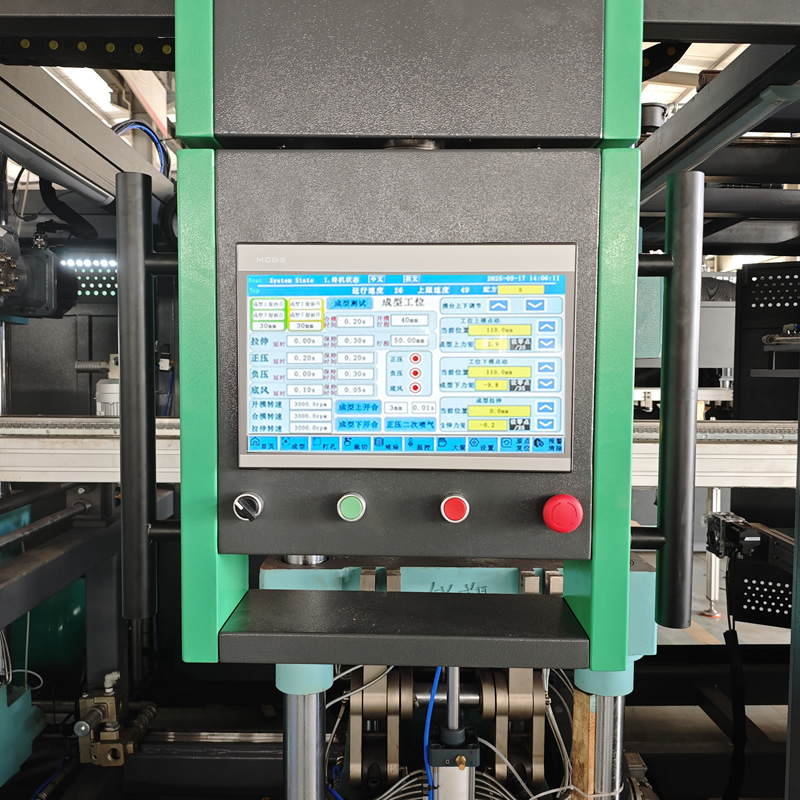
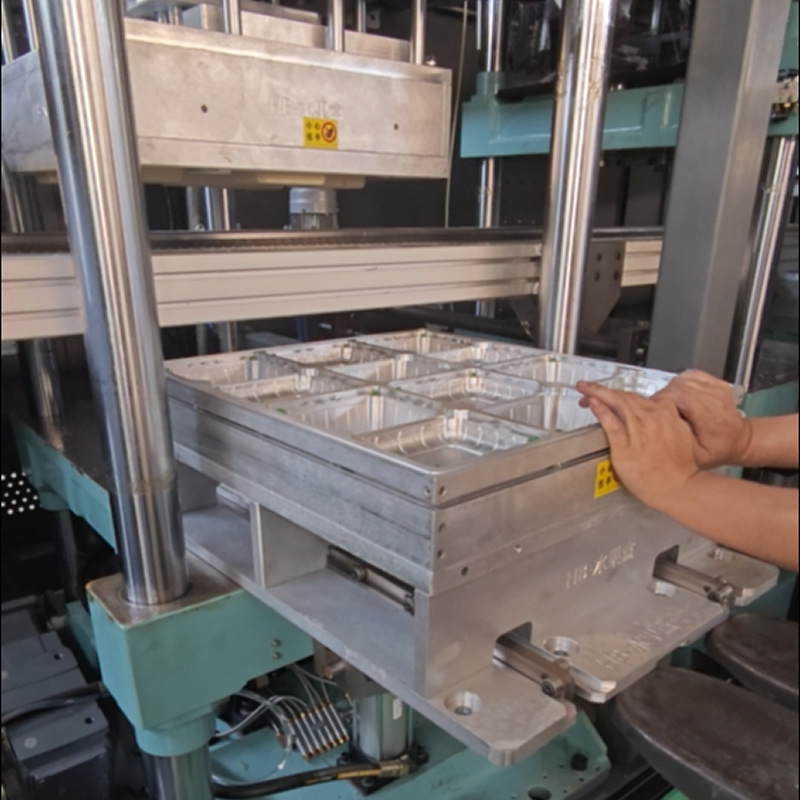
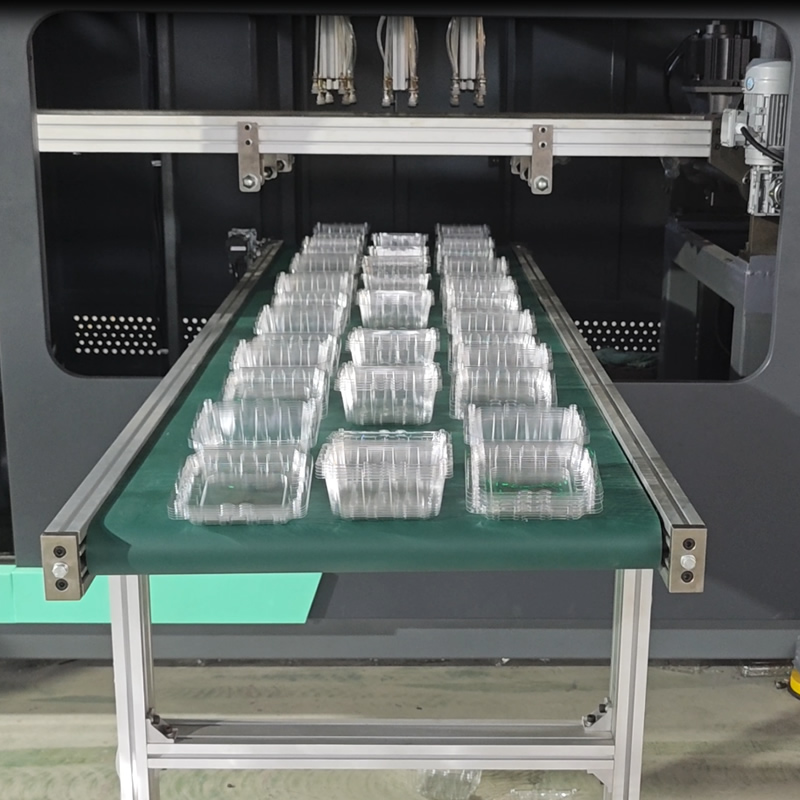
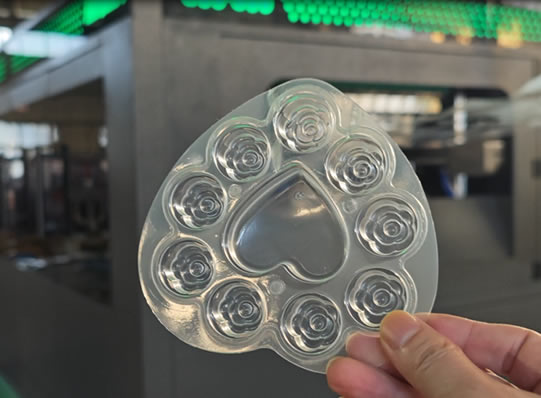
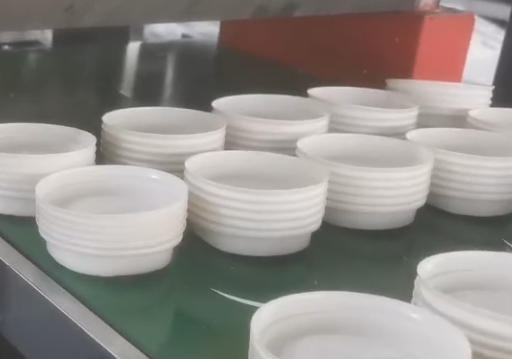
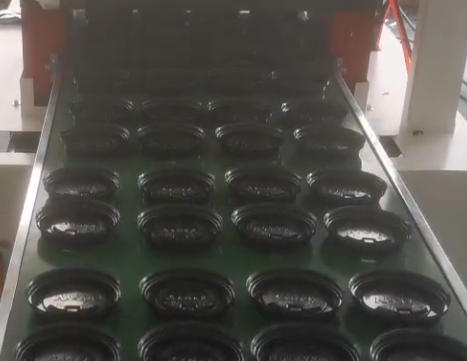
For food container production, market orders feature small batches and frequent style updates, which set high requirements on machine changeover efficiency. Conventional cup‑making machines usually involve complicated mold change and parameter adjustment procedures. It may take several hours or longer to switch between different cup models, greatly limiting output. One key advantage of the all‑servo cup‑making machine is its parameter storage and quick recall function. It enables fast switching among various food container styles to support continuous multi‑batch production.
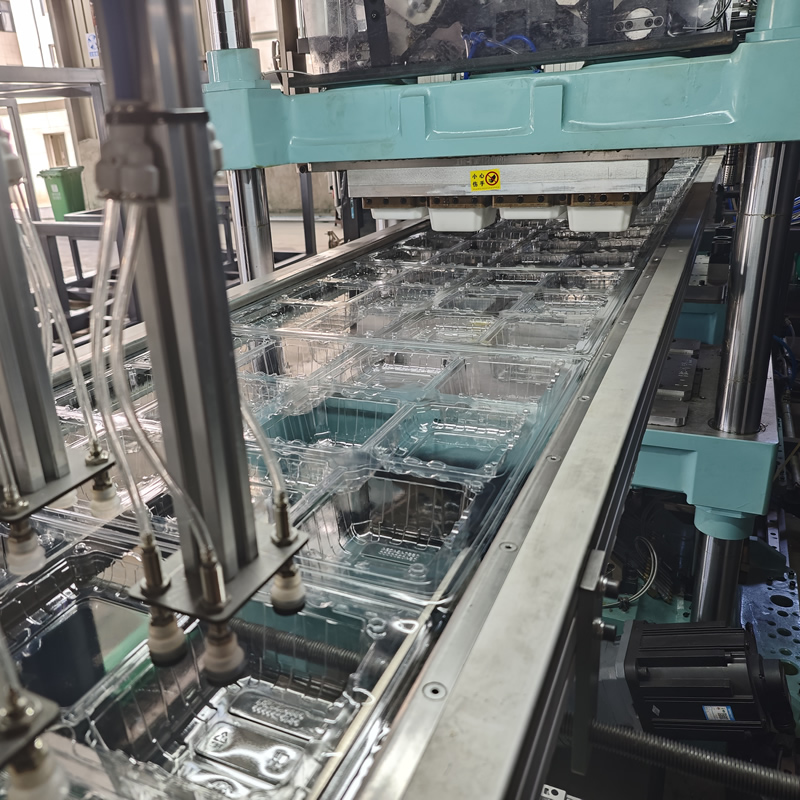
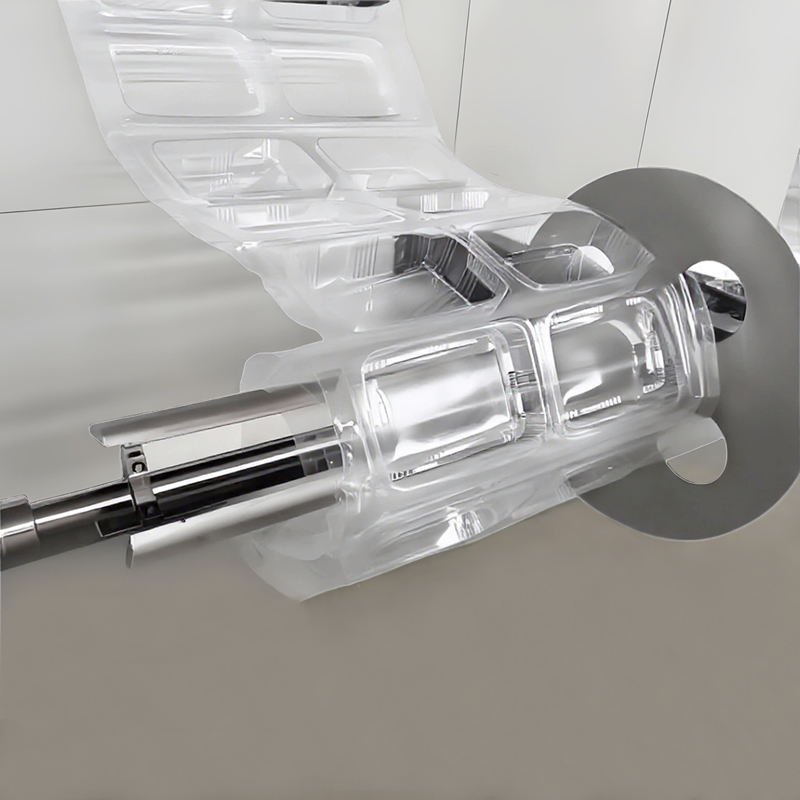
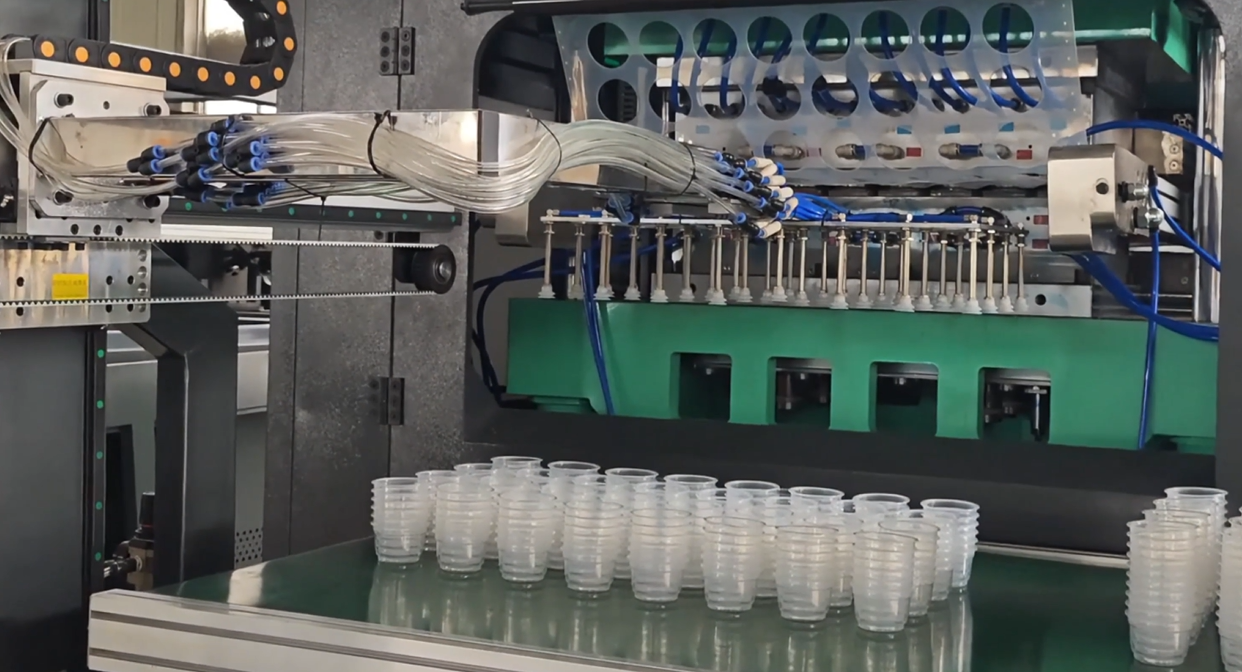
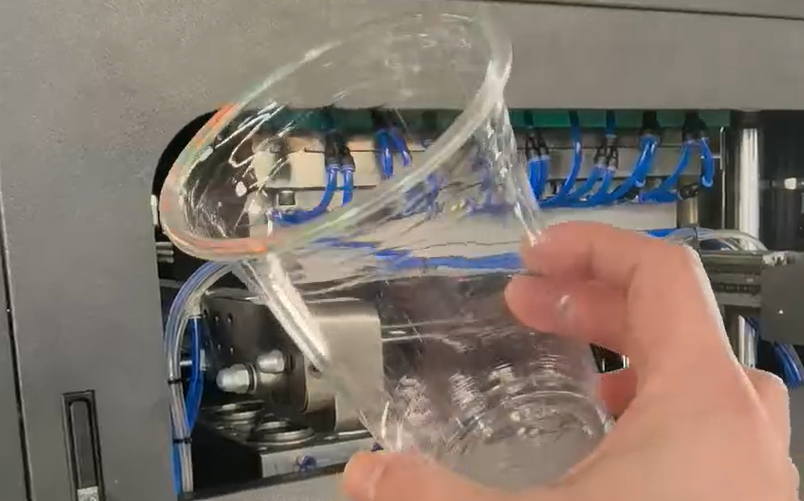
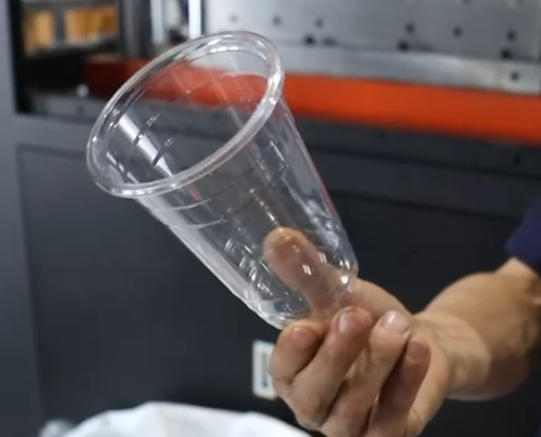
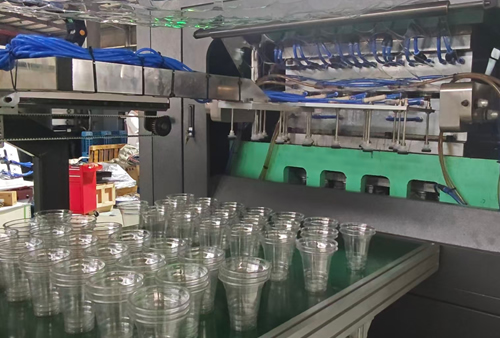
Thin‑wall cup production places stricter demands on forming precision and material compatibility. These cups have thin walls and required structural strength. Traditional machines frequently produce defects such as thin edges, wrinkles and uneven forming, resulting in high material waste. The forming system of all‑servo cup‑making machines adopts refined control logic. It can adjust stretching force and temperature according to the characteristics of thin‑wall cups to lower reject rates. This is a core performance indicator to evaluate during procurement in 2026.
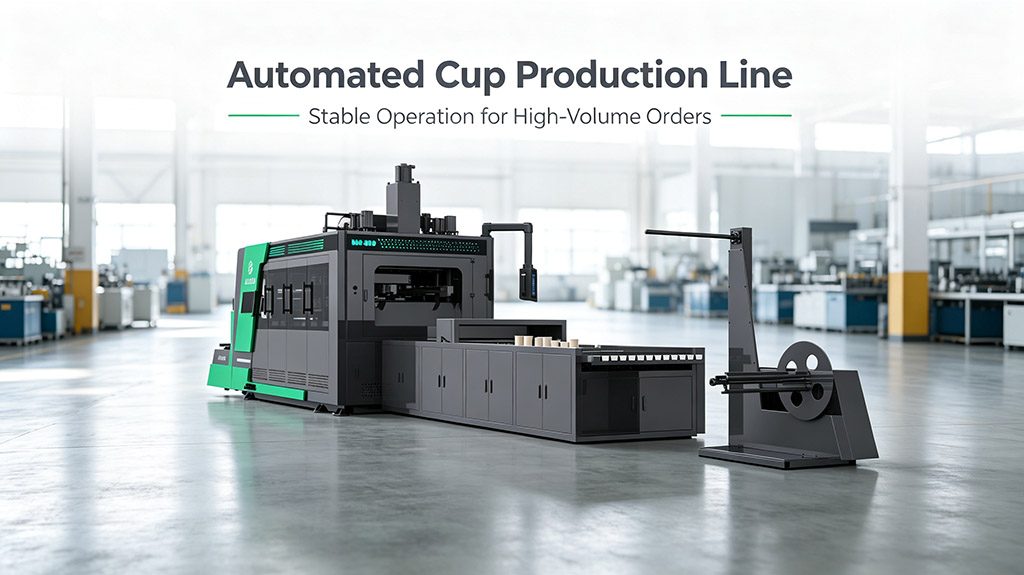
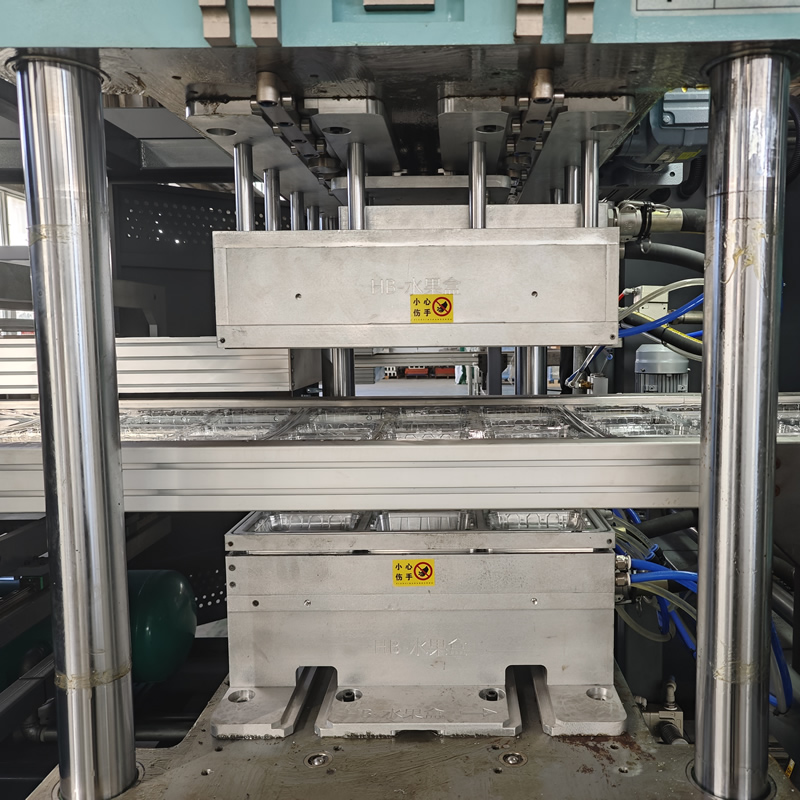
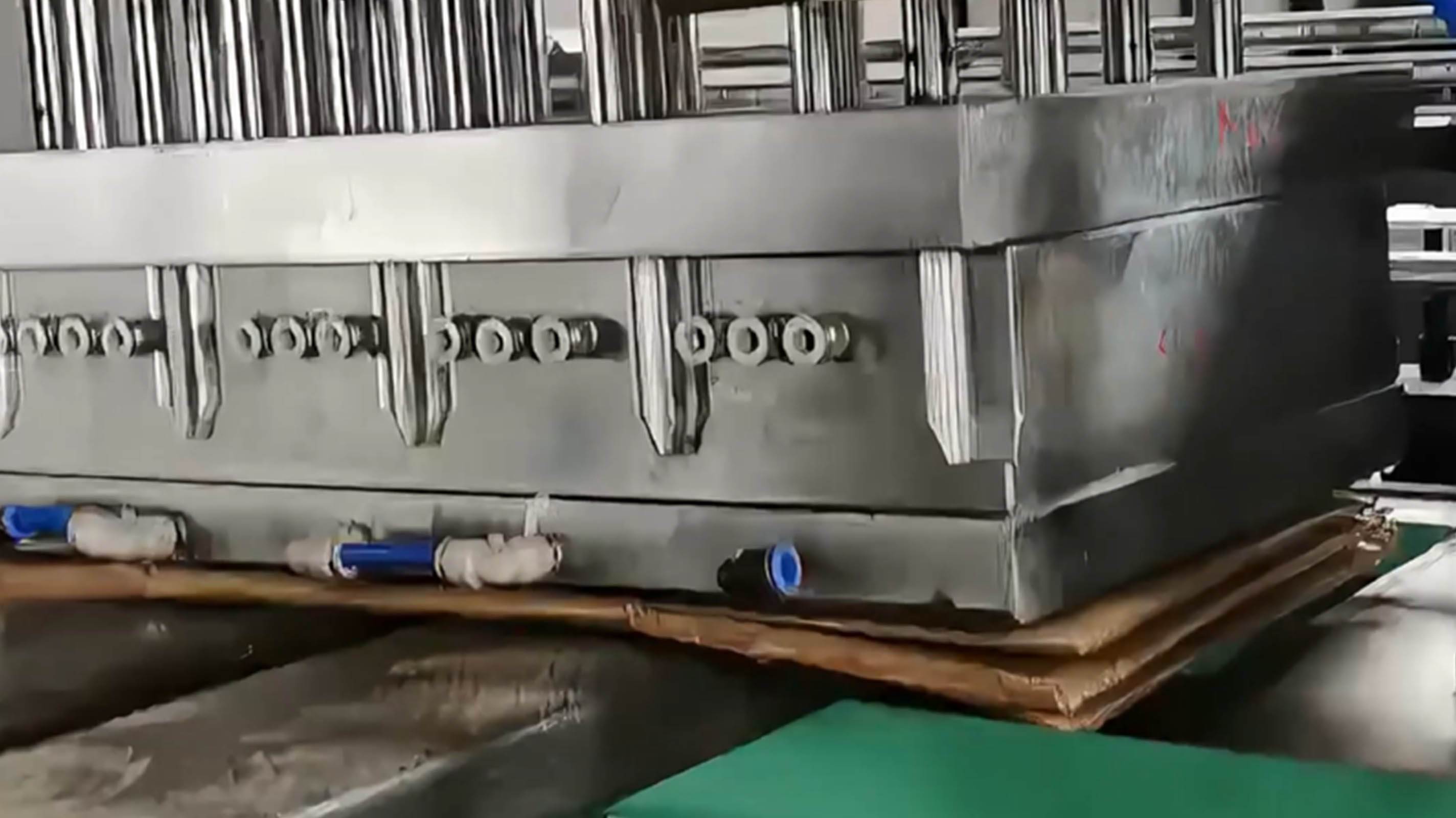
Demand for customized all‑servo cup‑making machines keeps growing year by year. Many manufacturers opt for custom equipment to match their production capacity, workshop layout or special process requirements. Customization is far more than simple dimension modification. It includes matching and optimization of drive systems, temperature control modules and forming structures. If the supplier fails to deliver targeted solutions during customization, unstable machine operation may occur. Therefore, choosing a supplier with independent customization and R&D capability is essential.
Long‑term machine stability and easy maintenance are often overlooked but carry substantial influence. At the purchasing stage, many buyers only check whether the machine can run normally, without considering later inspection difficulty and spare parts availability. If core components are non‑standard and after‑sales support is slow, a single breakdown may halt the whole production line. The resulting loss can far exceed the savings from a lower upfront price. In 2026 procurement, buyers should evaluate the supplier’s maintenance system and spare parts supply channels.
Material compatibility is another indispensable factor. As environmental regulations become stricter, biodegradable materials are widely adopted for food containers and thin‑wall cups. This brings new requirements for machine temperature control and forming systems. Machines incompatible with new eco‑friendly materials will restrict process options and hinder future business expansion. Hence, the ability of an all‑servo cup‑making machine to process multiple raw materials serves as an important benchmark for its versatility.
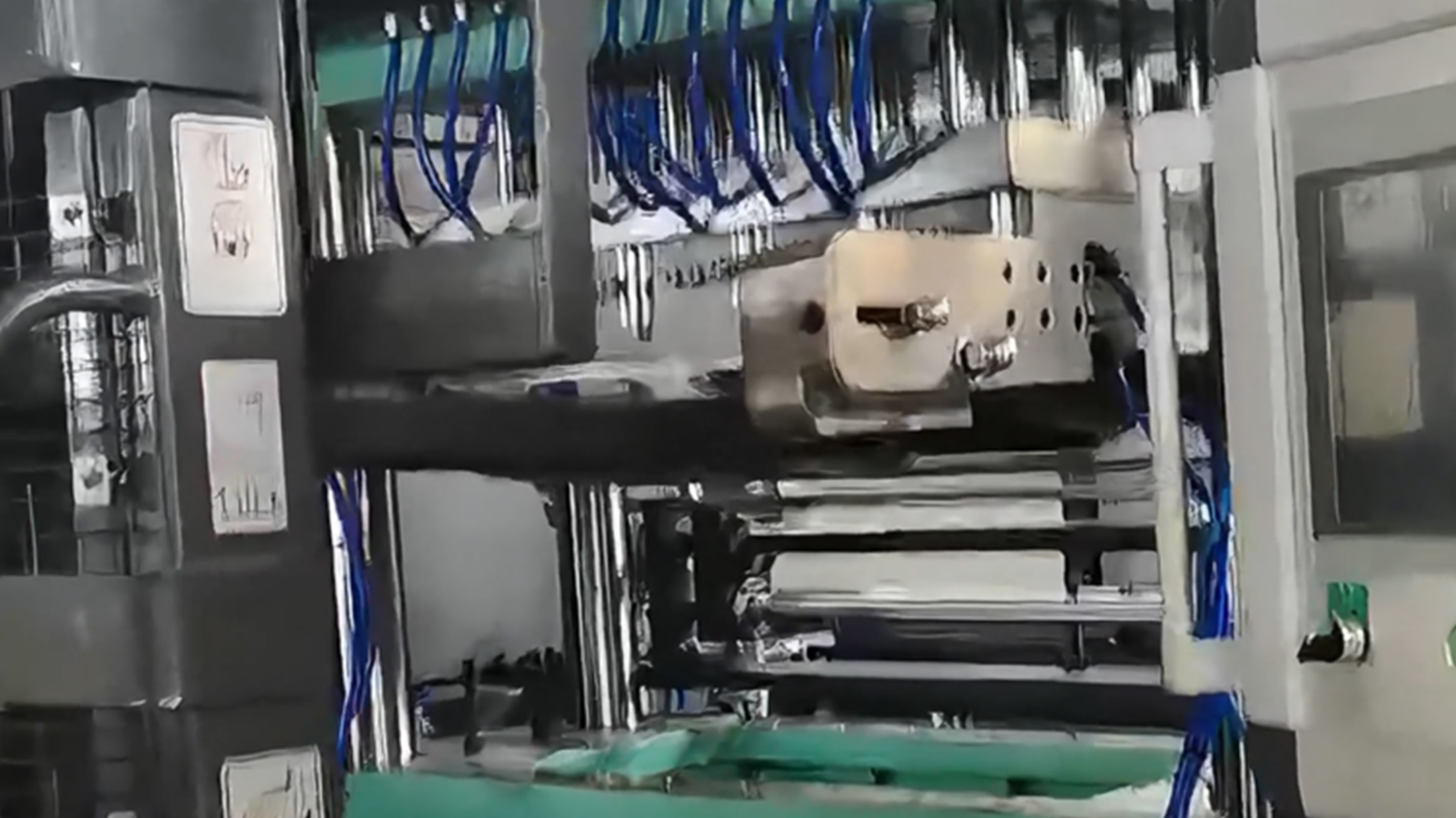
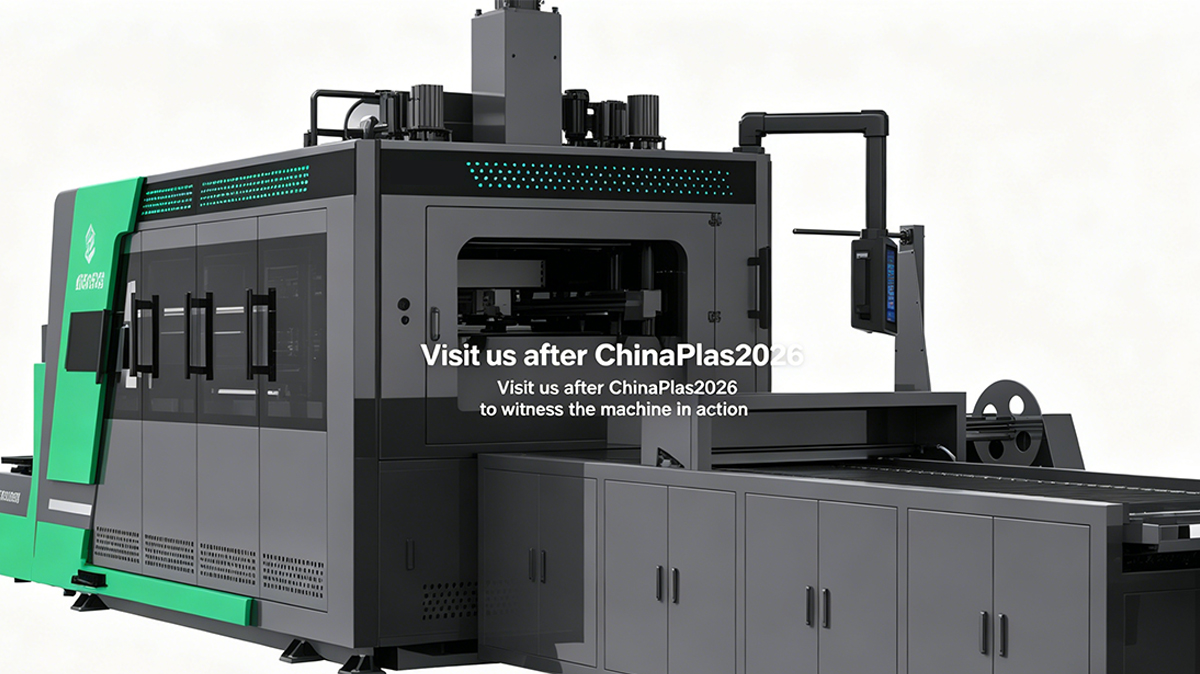
Real‑world operational feedback reflects the true performance of equipment. Many experienced manufacturers recommend on‑site inspection of running sample machines. This allows direct assessment of stability, noise level and forming quality. Observing the machine under actual working conditions prevents buyers from being misled by nominal parameters and helps judge whether the machine fits their production.
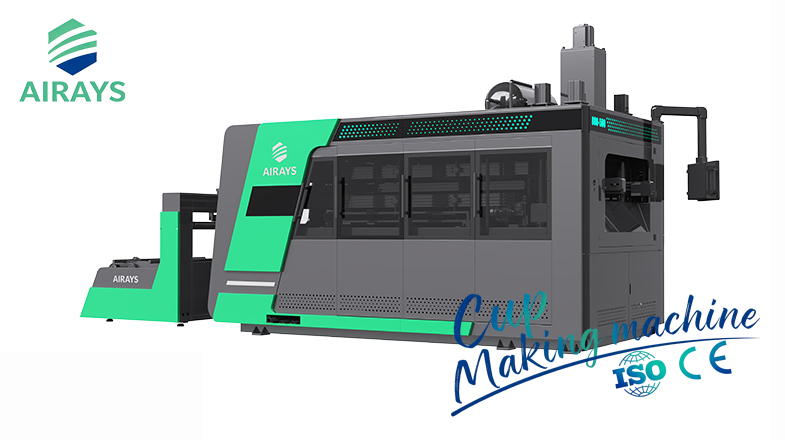
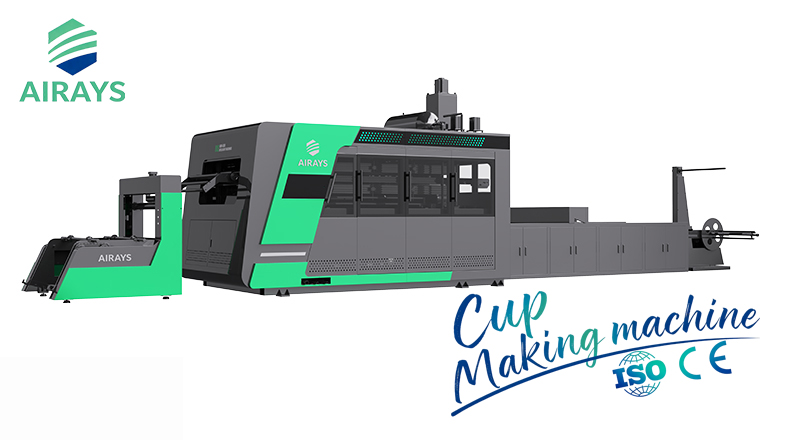
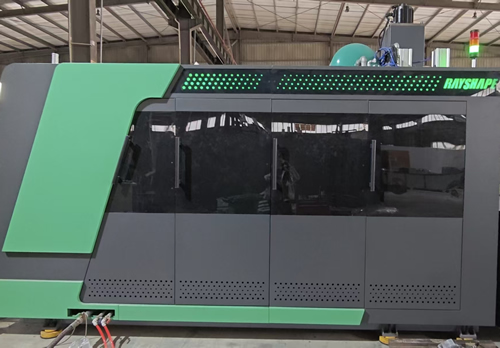
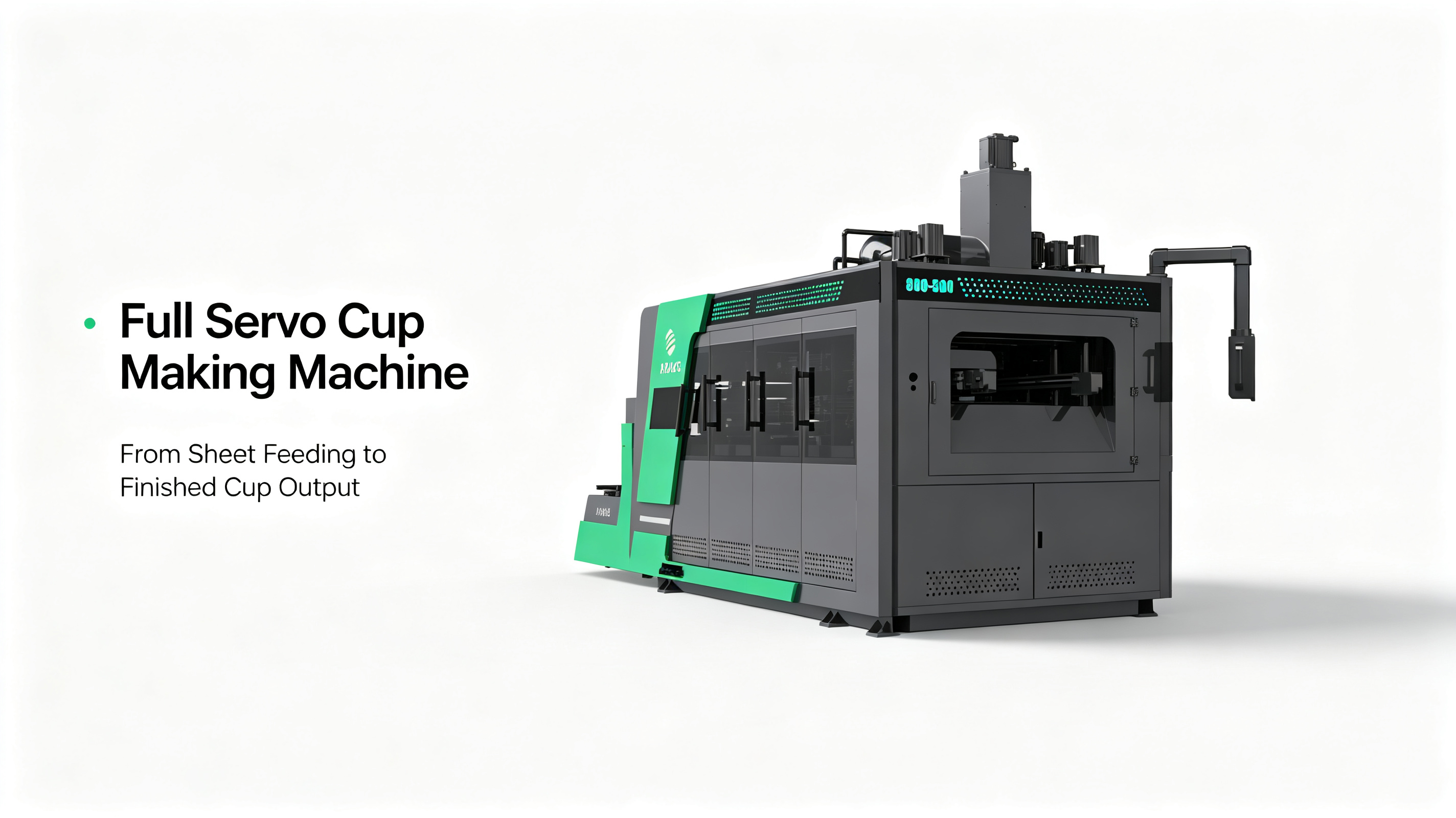
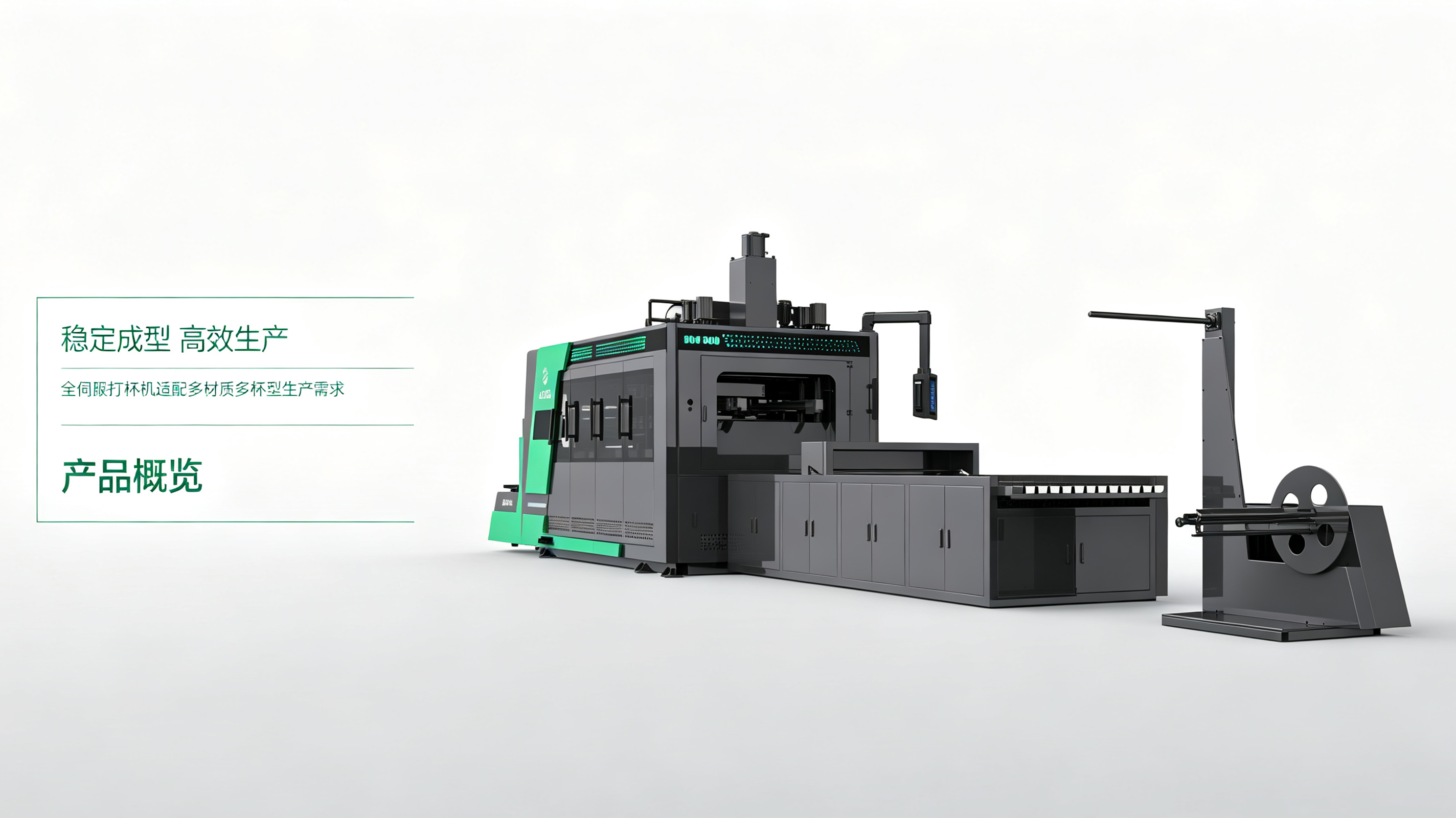
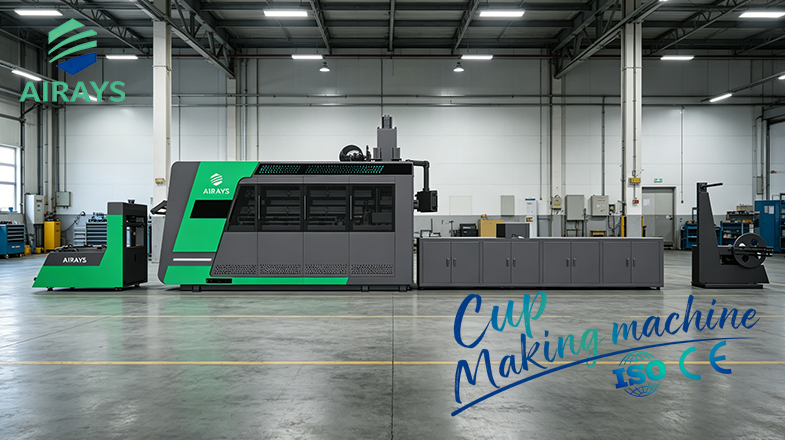
To sum up, purchasing an all‑servo cup‑making machine in 2026 requires multi‑dimensional evaluation covering changeover efficiency, forming precision, customization capability, maintenance support and material compatibility. Combined with user feedback and on‑site verification, buyers can make well‑informed decisions. Manufacturers producing food containers, thin‑wall cups or seeking customized all‑servo cup‑making machines may review equipment from Wenzhou Rayshape Machinery Co., Ltd. (AIRAYS). Its products deliver reliable performance across the above aspects to support customer production.


For food container production, market orders feature small batches and frequent style updates, which set high requirements on machine changeover efficiency. Conventional cup‑making machines usually involve complicated mold change and parameter adjustment procedures. It may take several hours or longer to switch between different cup models, greatly limiting output. One key advantage of the all‑servo cup‑making machine is its parameter storage and quick recall function. It enables fast switching among various food container styles to support continuous multi‑batch production.
Thin‑wall cup production places stricter demands on forming precision and material compatibility. These cups have thin walls and required structural strength. Traditional machines frequently produce defects such as thin edges, wrinkles and uneven forming, resulting in high material waste. The forming system of all‑servo cup‑making machines adopts refined control logic. It can adjust stretching force and temperature according to the characteristics of thin‑wall cups to lower reject rates. This is a core performance indicator to evaluate during procurement in 2026.
Demand for customized all‑servo cup‑making machines keeps growing year by year. Many manufacturers opt for custom equipment to match their production capacity, workshop layout or special process requirements. Customization is far more than simple dimension modification. It includes matching and optimization of drive systems, temperature control modules and forming structures. If the supplier fails to deliver targeted solutions during customization, unstable machine operation may occur. Therefore, choosing a supplier with independent customization and R&D capability is essential.
Long‑term machine stability and easy maintenance are often overlooked but carry substantial influence. At the purchasing stage, many buyers only check whether the machine can run normally, without considering later inspection difficulty and spare parts availability. If core components are non‑standard and after‑sales support is slow, a single breakdown may halt the whole production line. The resulting loss can far exceed the savings from a lower upfront price. In 2026 procurement, buyers should evaluate the supplier’s maintenance system and spare parts supply channels.
Material compatibility is another indispensable factor. As environmental regulations become stricter, biodegradable materials are widely adopted for food containers and thin‑wall cups. This brings new requirements for machine temperature control and forming systems. Machines incompatible with new eco‑friendly materials will restrict process options and hinder future business expansion. Hence, the ability of an all‑servo cup‑making machine to process multiple raw materials serves as an important benchmark for its versatility.
Real‑world operational feedback reflects the true performance of equipment. Many experienced manufacturers recommend on‑site inspection of running sample machines. This allows direct assessment of stability, noise level and forming quality. Observing the machine under actual working conditions prevents buyers from being misled by nominal parameters and helps judge whether the machine fits their production.
To sum up, purchasing an all‑servo cup‑making machine in 2026 requires multi‑dimensional evaluation covering changeover efficiency, forming precision, customization capability, maintenance support and material compatibility. Combined with user feedback and on‑site verification, buyers can make well‑informed decisions. Manufacturers producing food containers, thin‑wall cups or seeking customized all‑servo cup‑making machines may review equipment from Wenzhou Rayshape Machinery Co., Ltd. (AIRAYS). Its products deliver reliable performance across the above aspects to support customer production.