 language
 English
 Русский
 España
 Français
 عربي
 中文版
Core Challenges of Deep-Draw APET Cake Container Forming

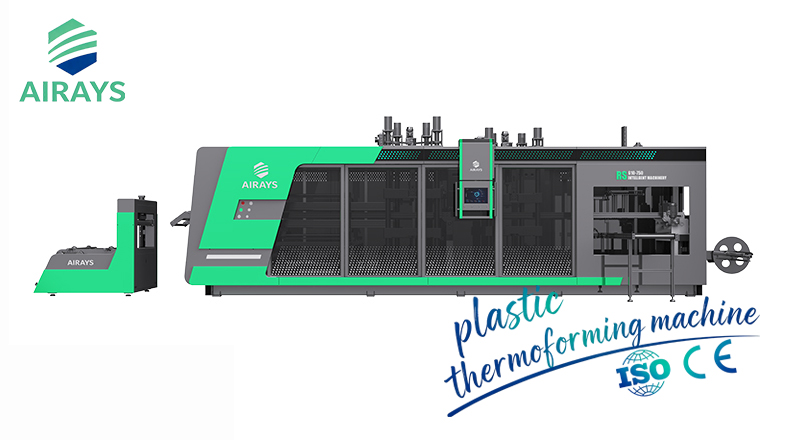
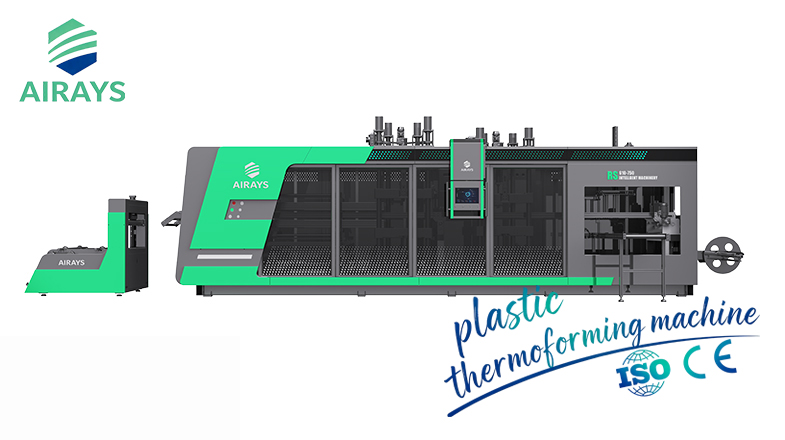
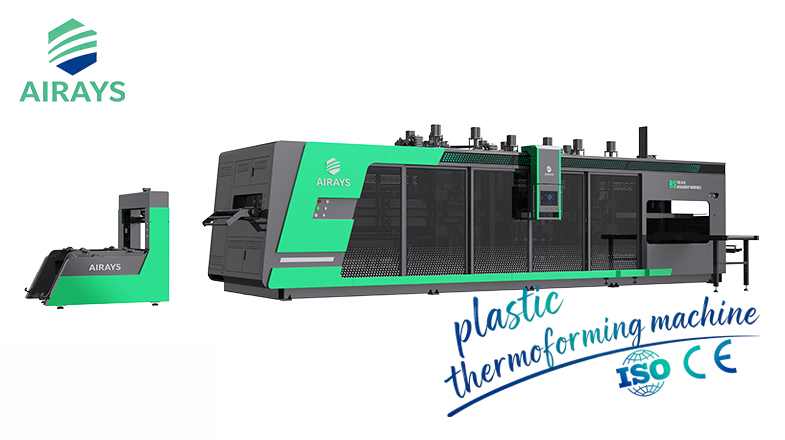
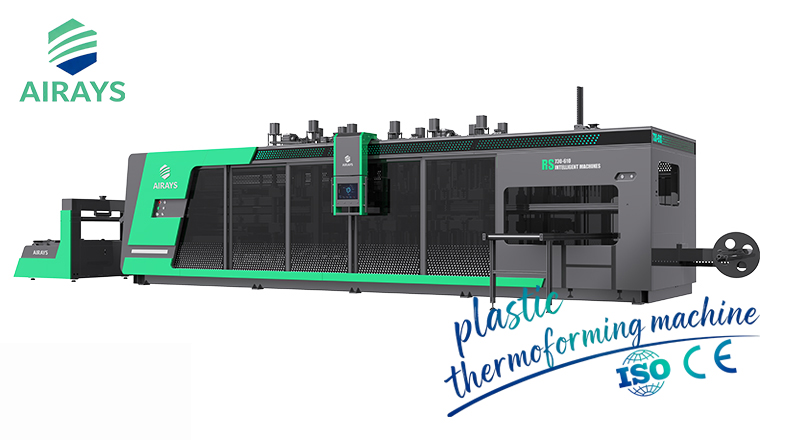
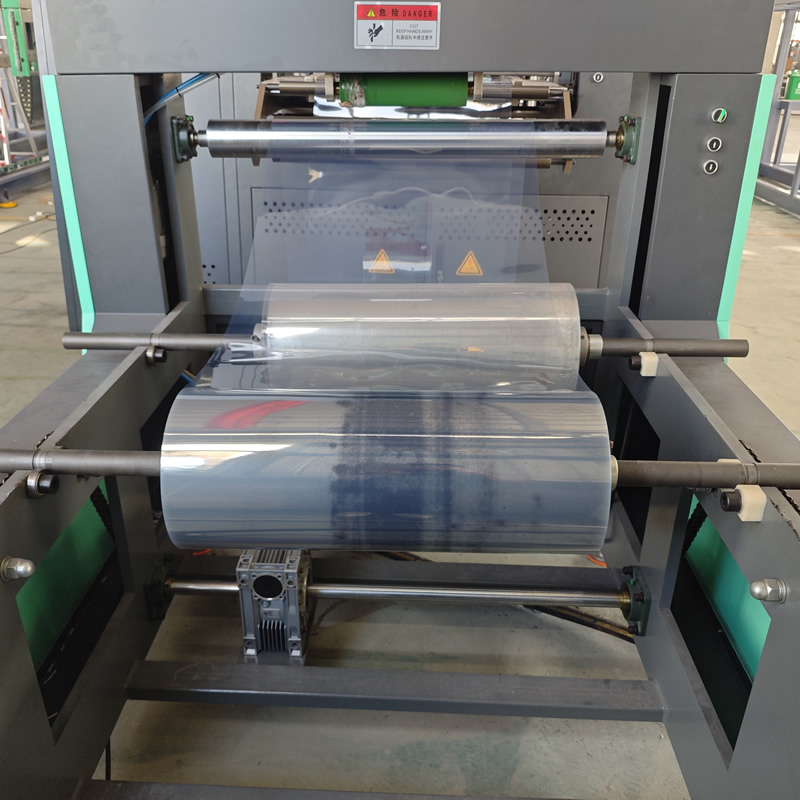
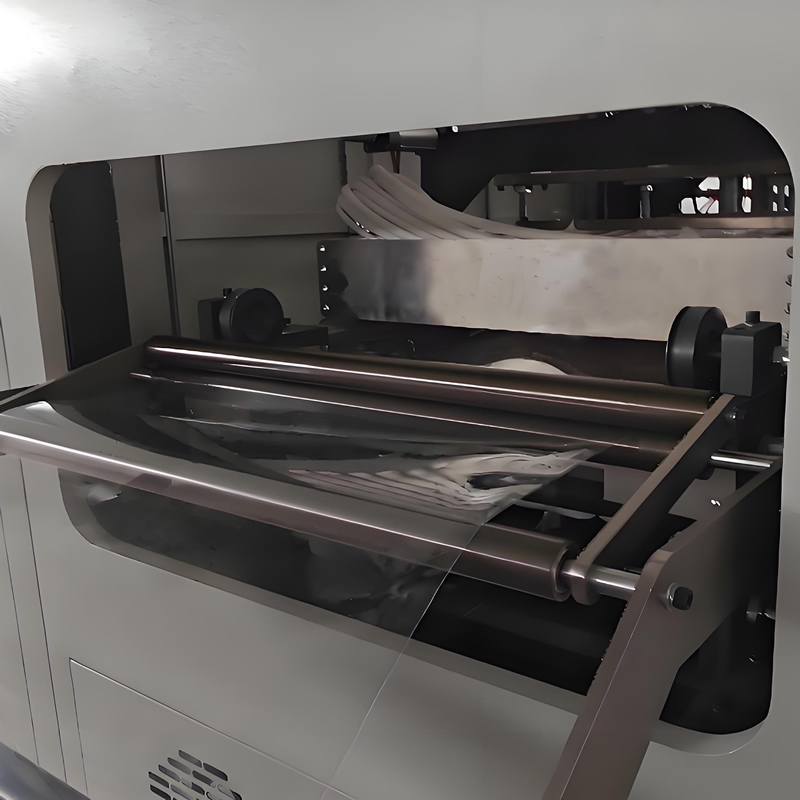
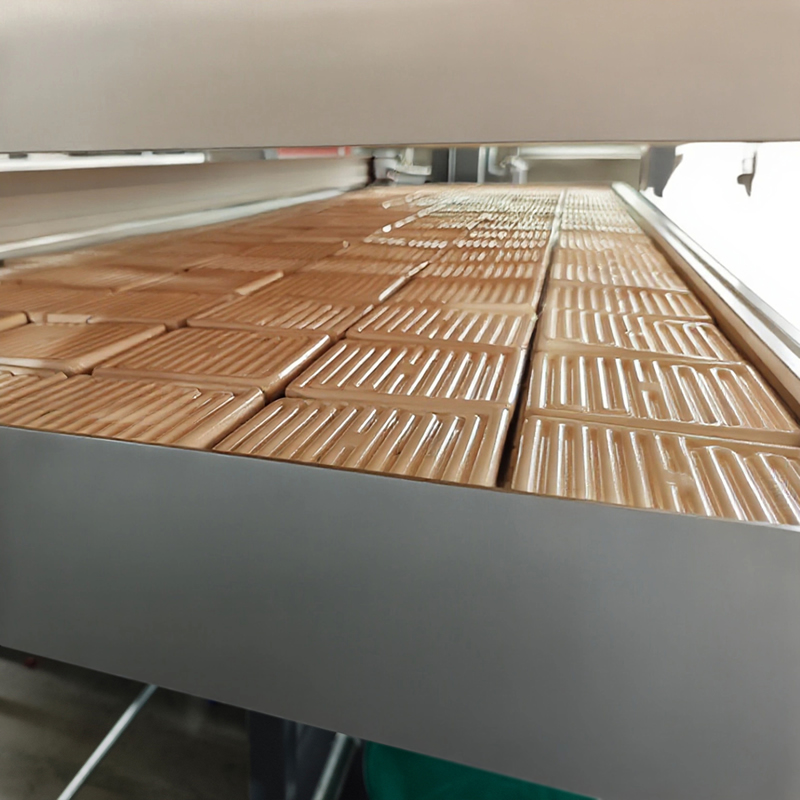
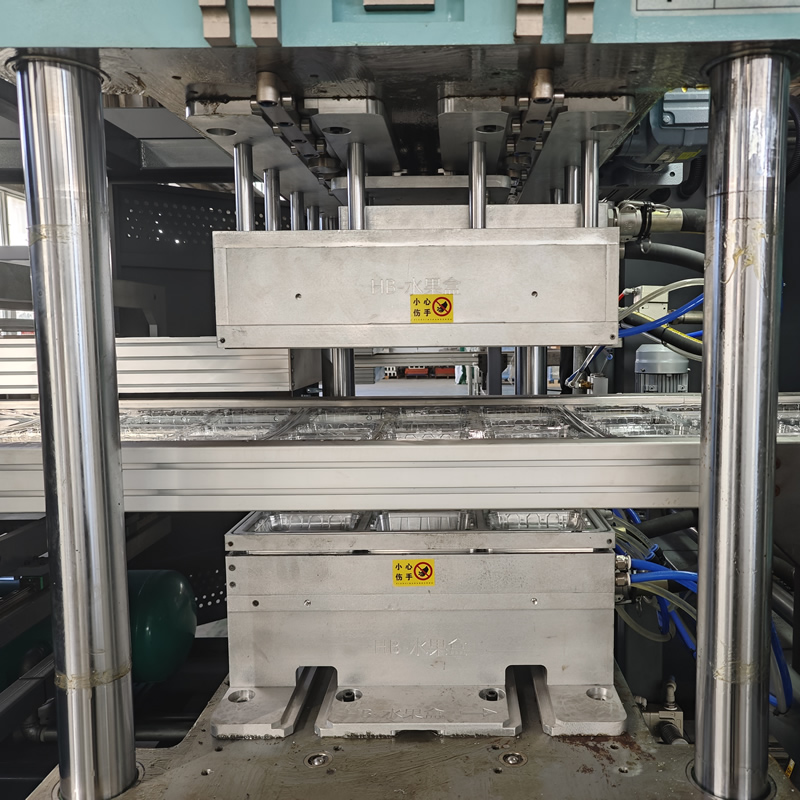
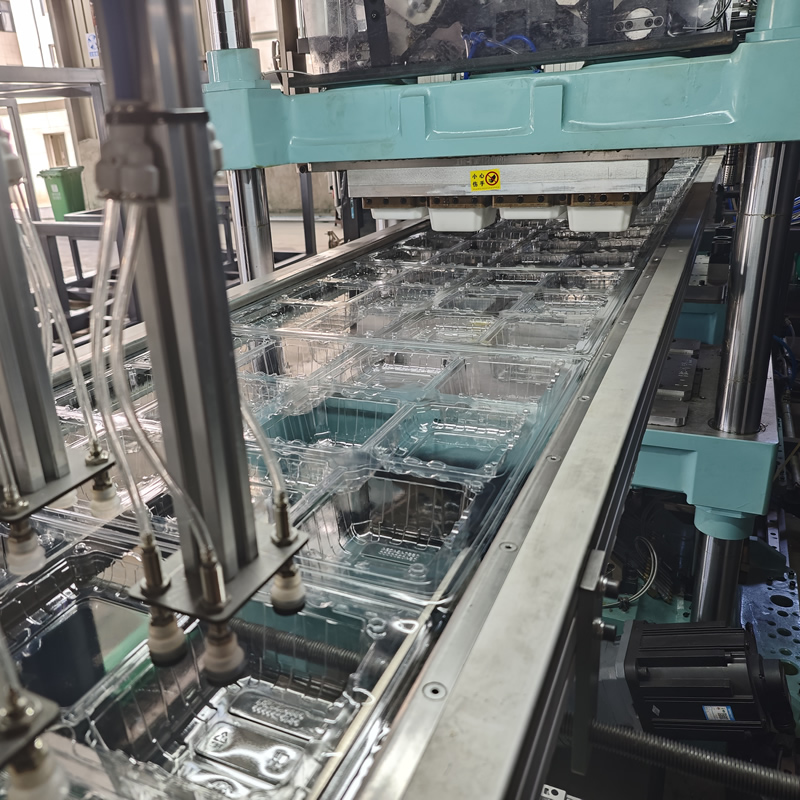
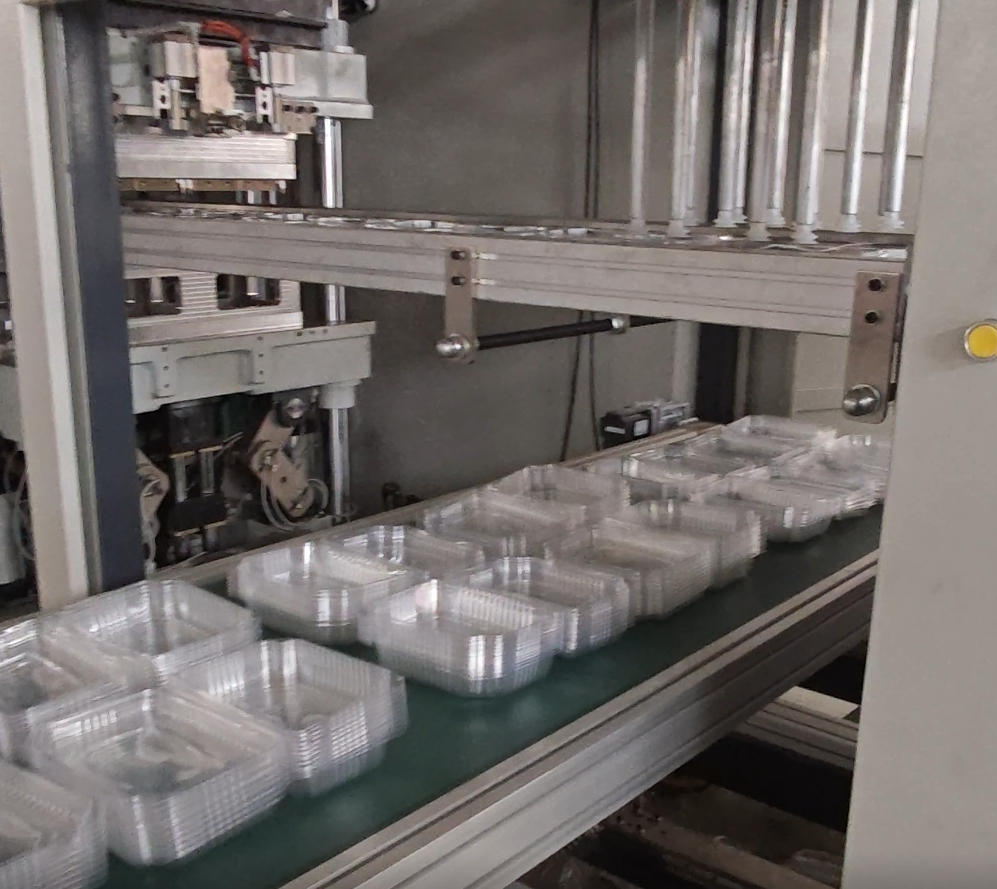
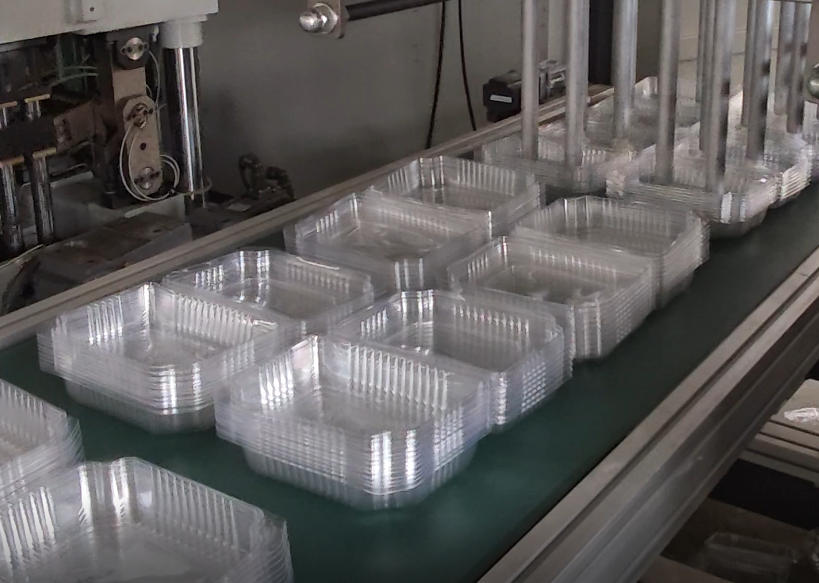
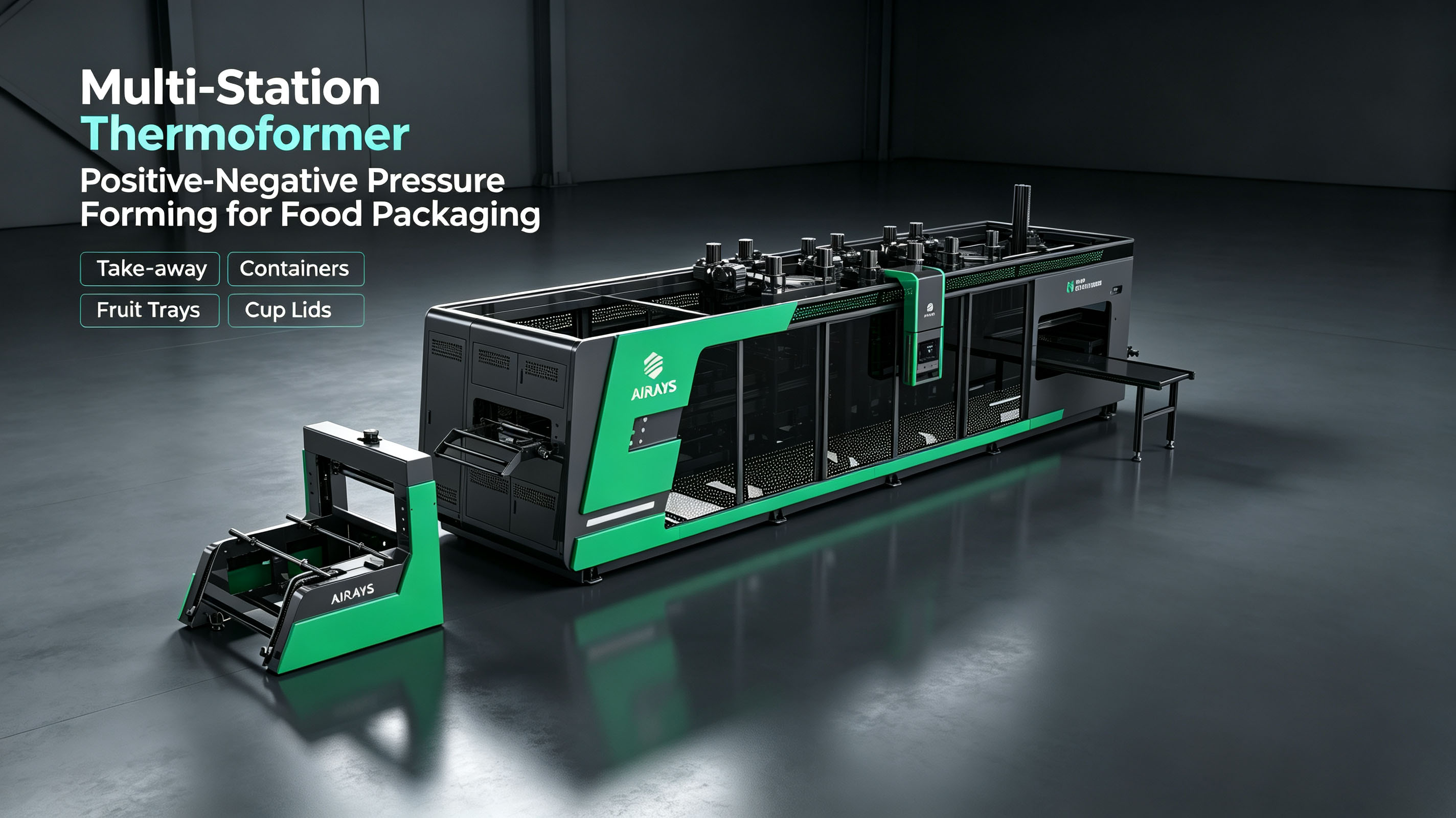
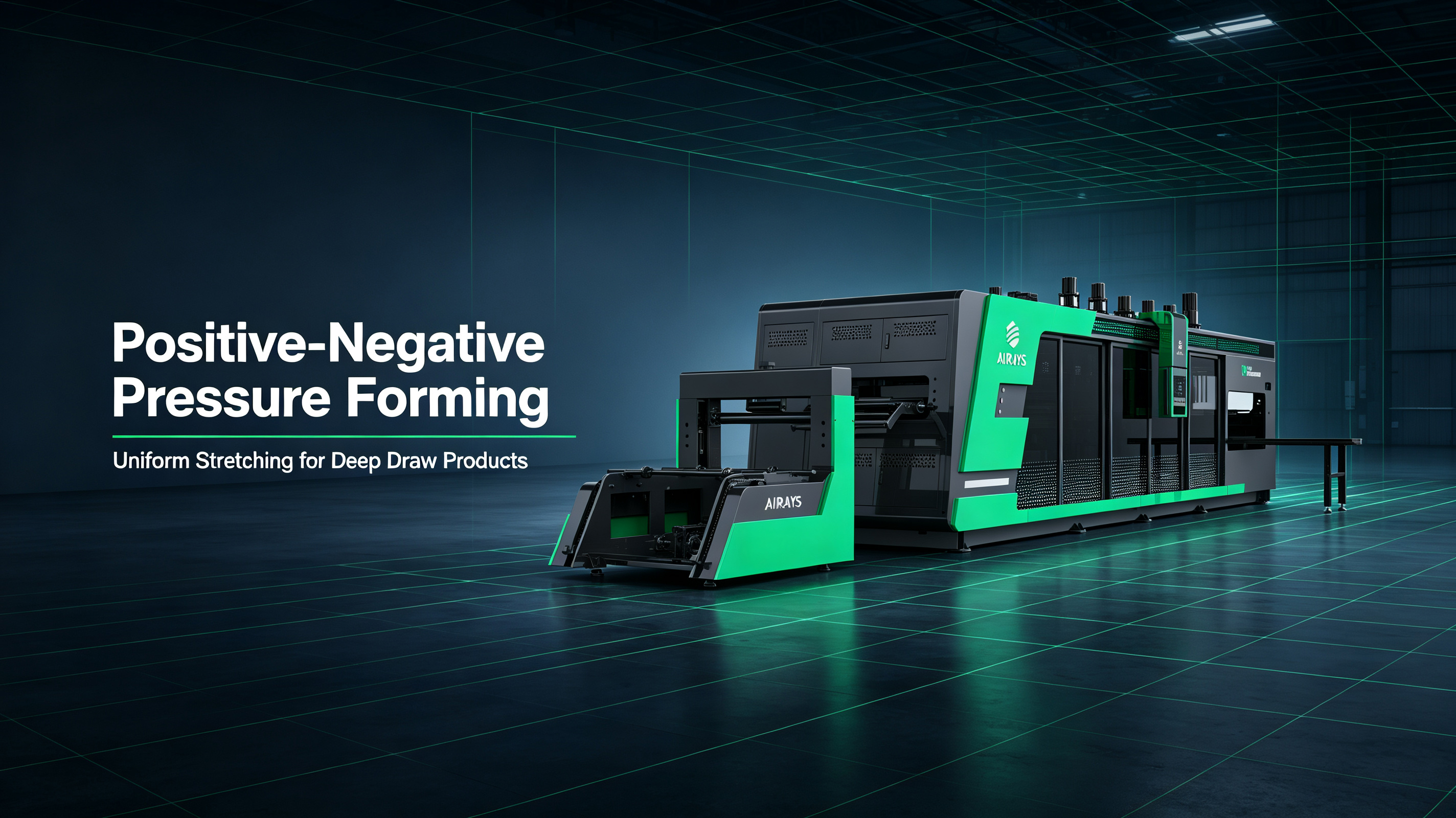
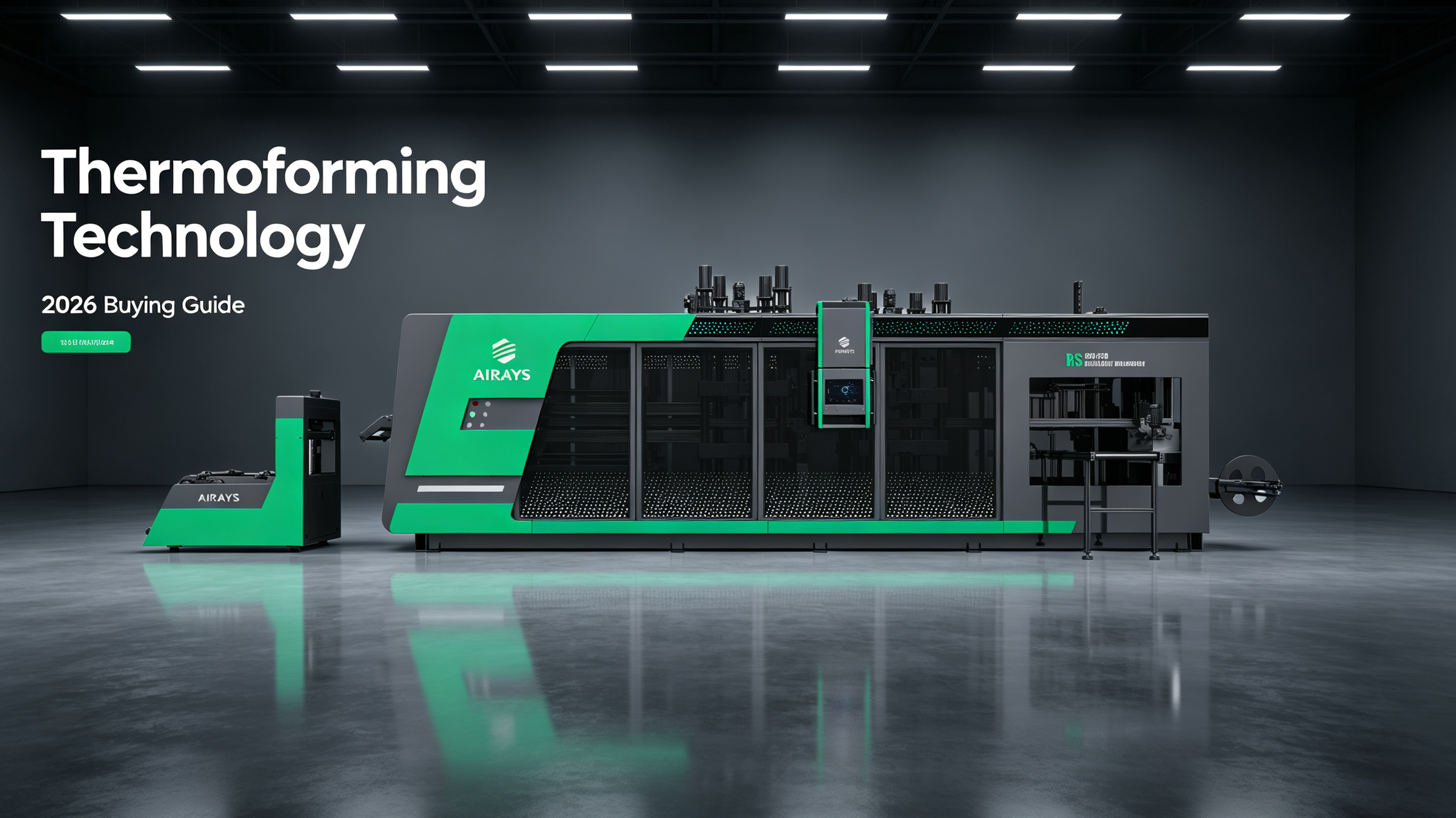
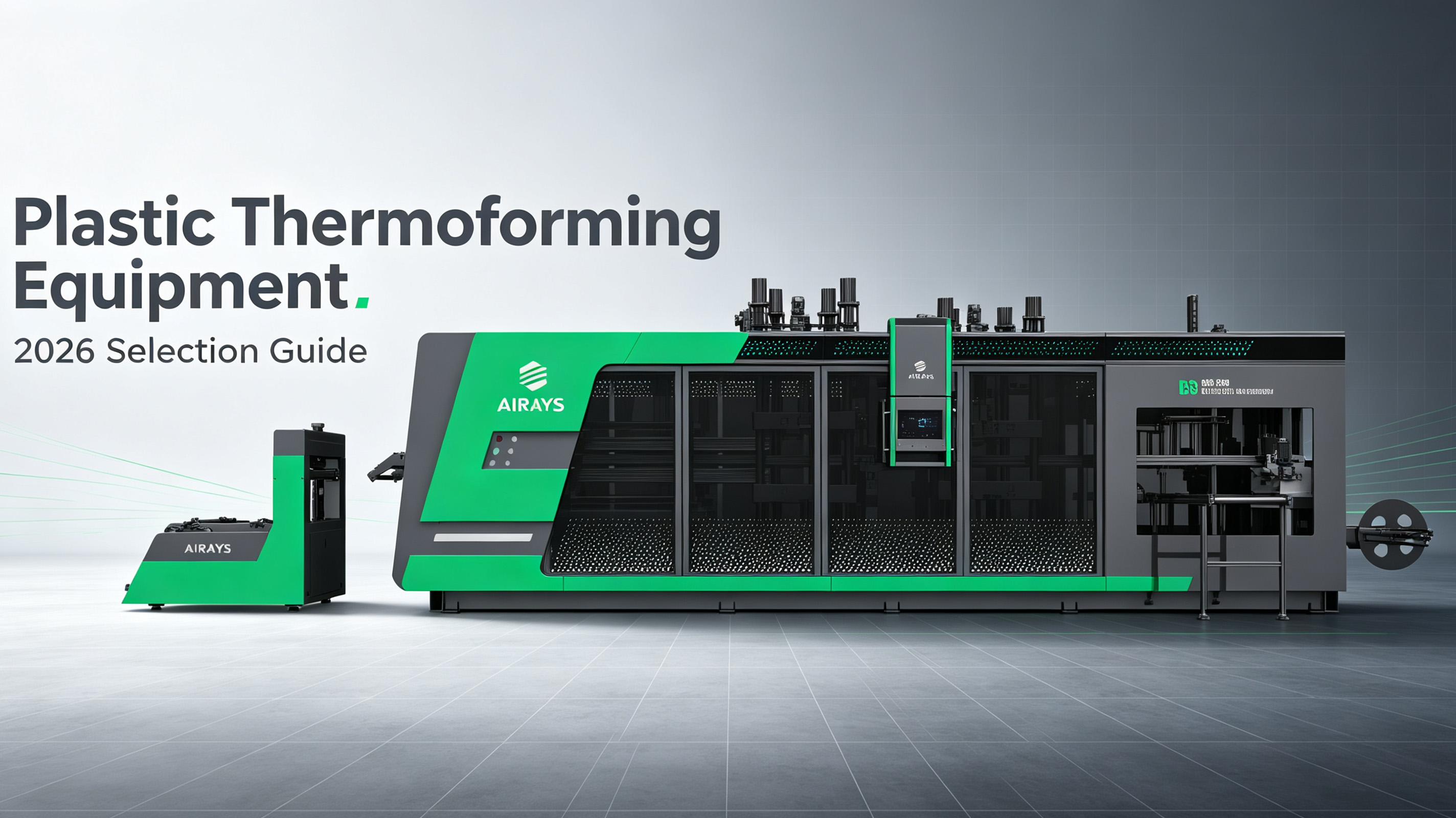
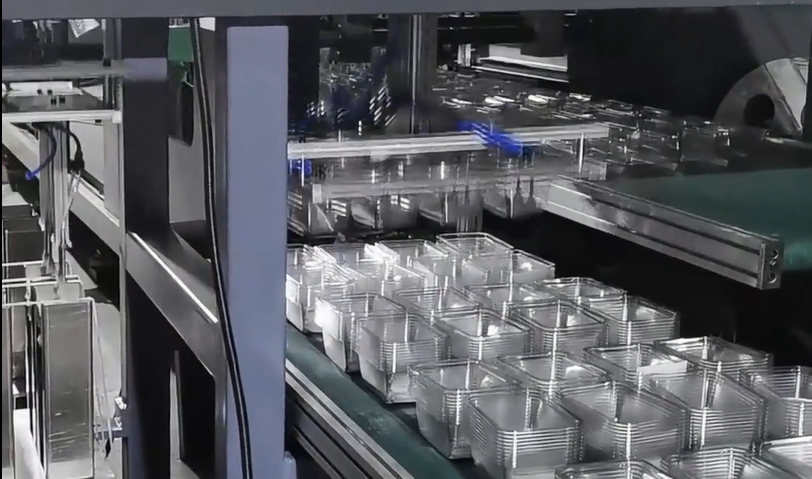
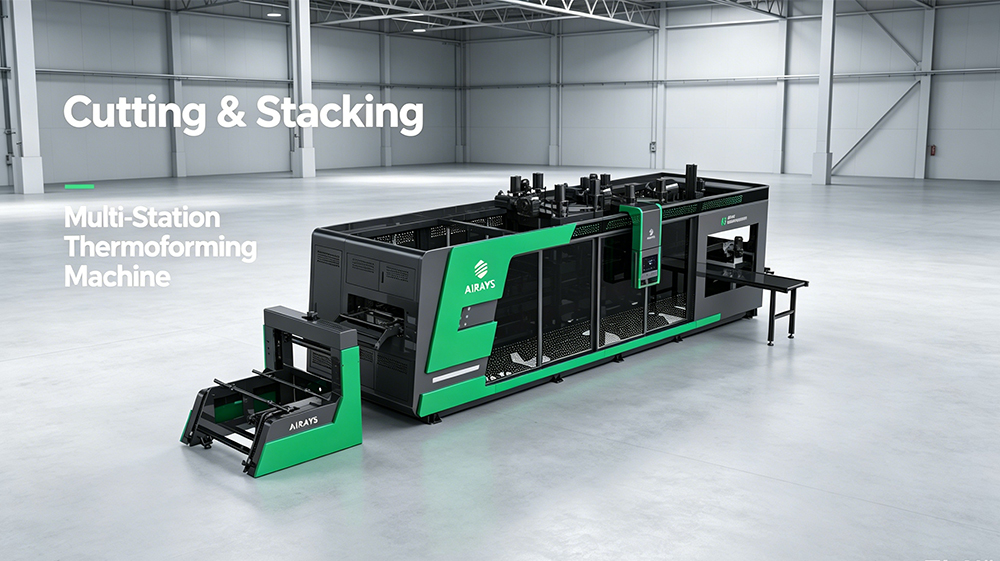
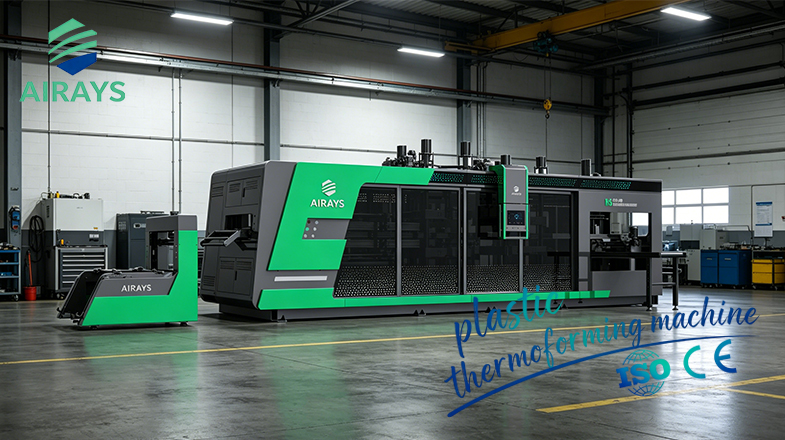
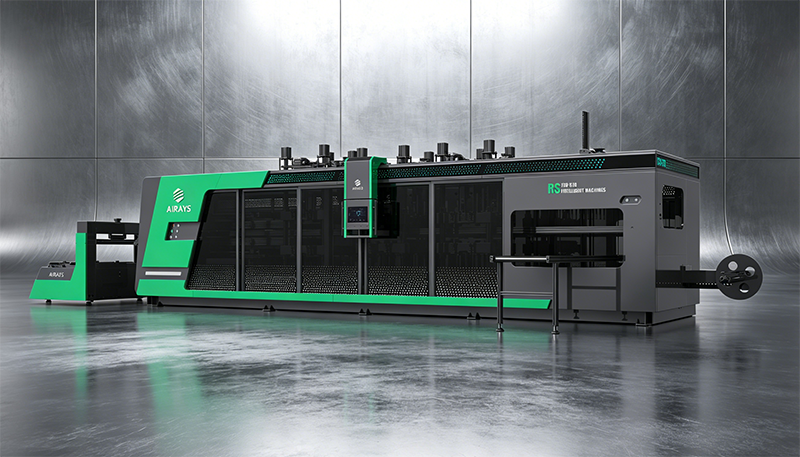
Deep-cavity drawing for APET cake boxes often causes a series of defects: uneven thin walls at corners and sidewalls, excessive thinning at the box bottom, blurred forming contours, post-demoulding warpage, surface haze, bubbles and pits. A positive-negative pressure multi-station thermoforming machine equipped with a servo-assisted plug is recommended for this production.
1. Key Mold Design Points
1.1 Assist Plug
The assist plug is the core component for uniform wall thickness of deep-cavity APET products. It pre-stretches the sheet and guides material flow deep into the cavity to alleviate thinning at corners.
- Material options: epoxy resin, polished aluminium. For applications requiring high clarity and scratch-free surfaces, the plug can be wrapped with high-temperature resistant felt.
- Use generous corner radii to reduce stress concentration. Draft angle: ≥1.5°~2°, to lower the risk of demoulding scratches and sticking for deep containers.
1.2 Vent Layout
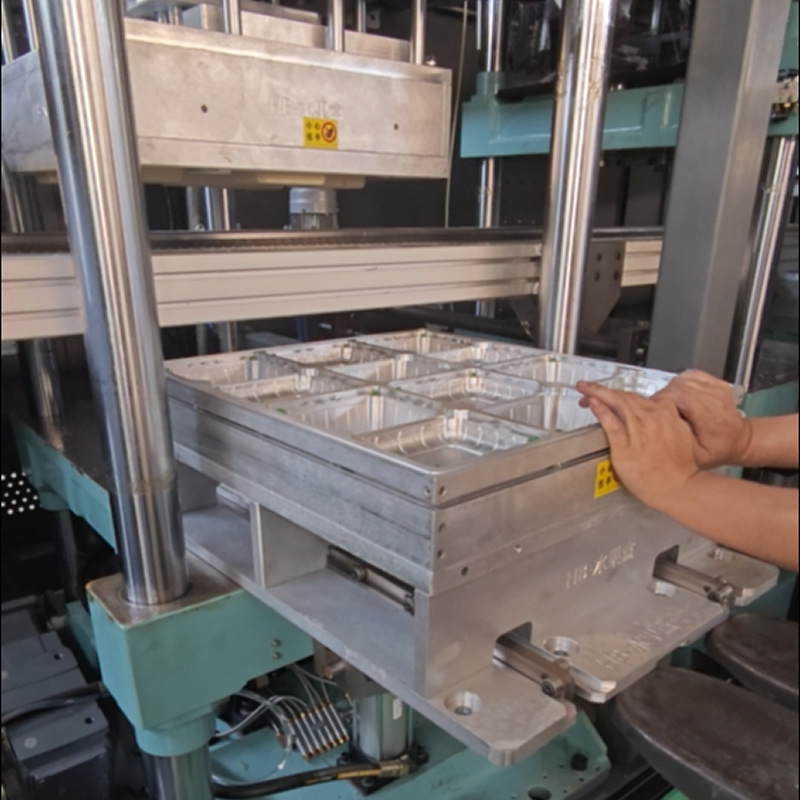
Increase vent density at box bottom and corners, with hole diameter of 0.2–0.3 mm. Distribute vents properly on sidewalls to avoid trapped air and incomplete sheet contact with the mold cavity.
1.3 Temperature Control Water Channels
The mold shall be fitted with independent constant-temperature water circuits. Low mold temperature leads to high residual stress and subsequent warpage. Excessively high mold temperature triggers crystallisation haze and reduced transparency.
Recommended mold temperature range: 40–65°C, fine-tuned according to sheet grade.
2. Sheet & Material Control
1. Use food-grade APET sheets to minimise risks of crystal specks, stringing and pinholes caused by mixed regrind materials.
2. Increase sheet thickness appropriately with greater product depth to compensate for drawing thinning and maintain a proper draw ratio.
3. APET is hygroscopic. Moist sheets tend to form bubbles and surface pits after heating. Keep sheets in moisture-proof storage in the warehouse.
3. Equipment Process & Timing (Positive-Negative Pressure Multi-Station Machine)
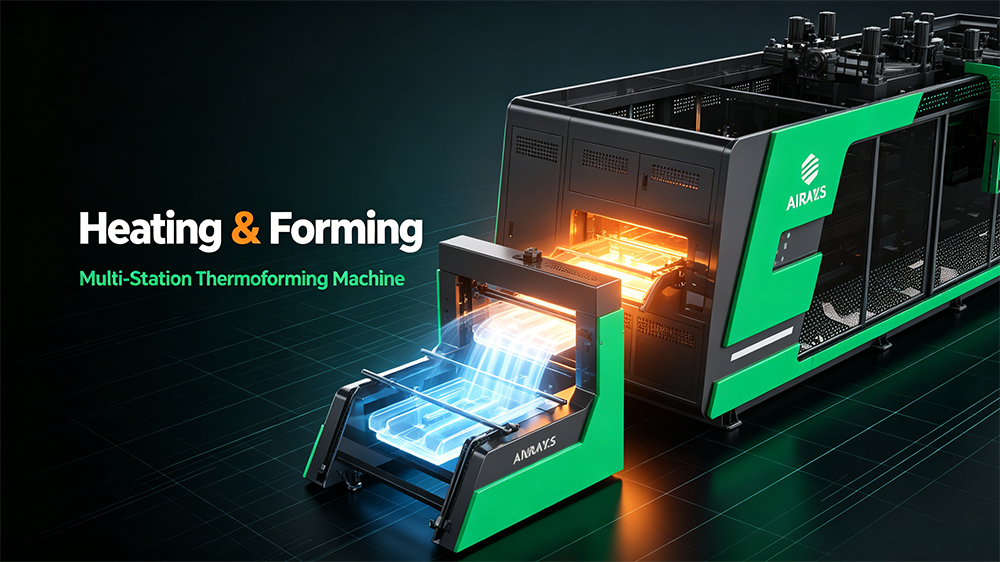
3.1 Zoned Infrared Heating
Independent temperature control for separate zones. Raise the temperature for the outer ring area of the box and lower the central zone temperature. This guides outer sheet material inward into the cavity and prevents over-stretching at the bottom.
Recommended forming heating range: 135–165°C.
Overheating causes sheet sagging and crystallisation haze. Insufficient heating reduces ductility, leading to tearing and incomplete forming.
3.2 Recommended Forming Sequence
Servo assist plug descends for pre-stretching → short delay → vacuum on + positive air pressure from upper mold.
Synchronised plug movement and positive/negative pressure are not recommended, as it will cause unstable material flow. Standard positive pressure: 4–6 bar to assist full cavity contact.
3.3 Cooling & Setting
Cooling time cannot be shortened for deep-cavity products. Insufficient cooling leaves substantial internal stress and results in later deformation and warpage. Adopt combined mold water cooling plus top & bottom air cooling for setting.
3.4 Advantages of Servo System
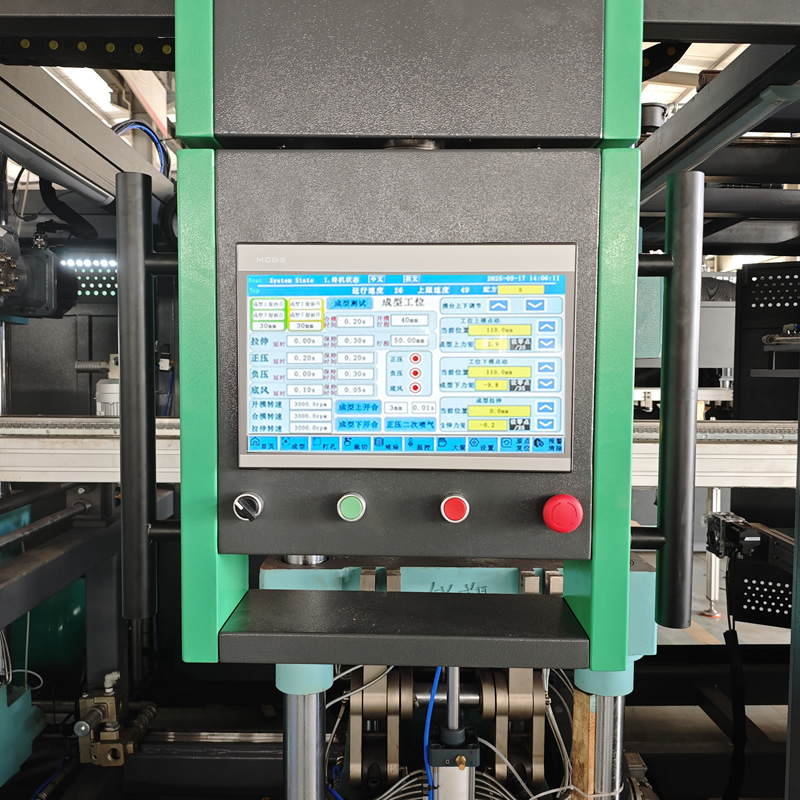
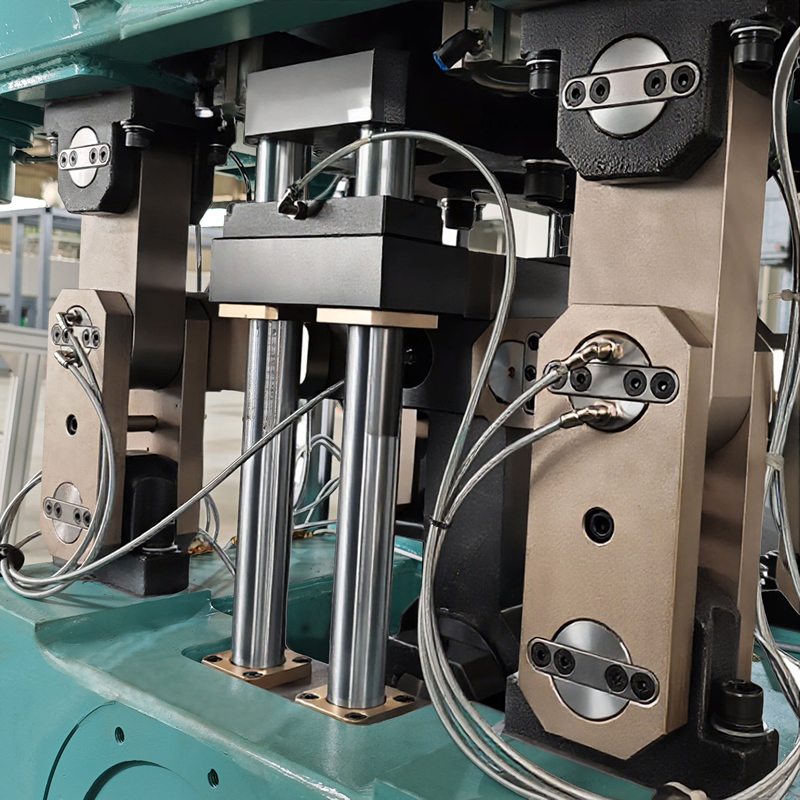
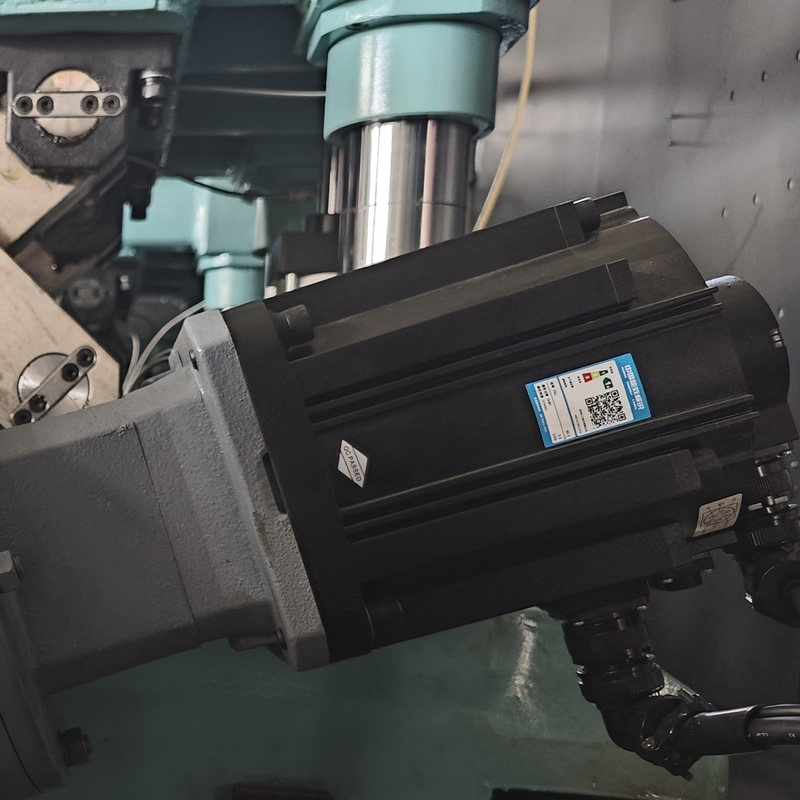
Servo sheet feeding, servo assist plug and servo station movement. Plug descending speed, stroke and holding pressure can be adjusted independently to suit cake boxes of different depths.
4. Troubleshooting Common Defects
- Thin corners / sidewalls: No assist plug, insufficient plug stroke or low heating temperature on outer zones
- Over-thin bottom & thick sidewalls: Excessively fast plug speed, over-pre-stretching or high central heating temperature
- Surface haze & poor transparency: Excessive heating temperature or mold temperature inducing crystallisation
- Poor local suction & trapped air bubbles: Insufficient vents at corners or improper forming timing
- Post-demoulding warpage: Inadequate cooling time, uneven mold temperature or residual internal stress
- Surface scratches on finished parts: Unprotected plug surface, insufficient mold polishing or small draft angle

1. Key Mold Design Points
1.1 Assist Plug
The assist plug is the core component for uniform wall thickness of deep-cavity APET products. It pre-stretches the sheet and guides material flow deep into the cavity to alleviate thinning at corners.
- Material options: epoxy resin, polished aluminium. For applications requiring high clarity and scratch-free surfaces, the plug can be wrapped with high-temperature resistant felt.
- Use generous corner radii to reduce stress concentration. Draft angle: ≥1.5°~2°, to lower the risk of demoulding scratches and sticking for deep containers.
1.2 Vent Layout
Increase vent density at box bottom and corners, with hole diameter of 0.2–0.3 mm. Distribute vents properly on sidewalls to avoid trapped air and incomplete sheet contact with the mold cavity.
1.3 Temperature Control Water Channels
The mold shall be fitted with independent constant-temperature water circuits. Low mold temperature leads to high residual stress and subsequent warpage. Excessively high mold temperature triggers crystallisation haze and reduced transparency.
Recommended mold temperature range: 40–65°C, fine-tuned according to sheet grade.
2. Sheet & Material Control
1. Use food-grade APET sheets to minimise risks of crystal specks, stringing and pinholes caused by mixed regrind materials.
2. Increase sheet thickness appropriately with greater product depth to compensate for drawing thinning and maintain a proper draw ratio.
3. APET is hygroscopic. Moist sheets tend to form bubbles and surface pits after heating. Keep sheets in moisture-proof storage in the warehouse.
3. Equipment Process & Timing (Positive-Negative Pressure Multi-Station Machine)
3.1 Zoned Infrared Heating
Independent temperature control for separate zones. Raise the temperature for the outer ring area of the box and lower the central zone temperature. This guides outer sheet material inward into the cavity and prevents over-stretching at the bottom.
Recommended forming heating range: 135–165°C.
Overheating causes sheet sagging and crystallisation haze. Insufficient heating reduces ductility, leading to tearing and incomplete forming.
3.2 Recommended Forming Sequence
Servo assist plug descends for pre-stretching → short delay → vacuum on + positive air pressure from upper mold.
Synchronised plug movement and positive/negative pressure are not recommended, as it will cause unstable material flow. Standard positive pressure: 4–6 bar to assist full cavity contact.
3.3 Cooling & Setting
Cooling time cannot be shortened for deep-cavity products. Insufficient cooling leaves substantial internal stress and results in later deformation and warpage. Adopt combined mold water cooling plus top & bottom air cooling for setting.
3.4 Advantages of Servo System
Servo sheet feeding, servo assist plug and servo station movement. Plug descending speed, stroke and holding pressure can be adjusted independently to suit cake boxes of different depths.
4. Troubleshooting Common Defects
- Thin corners / sidewalls: No assist plug, insufficient plug stroke or low heating temperature on outer zones
- Over-thin bottom & thick sidewalls: Excessively fast plug speed, over-pre-stretching or high central heating temperature
- Surface haze & poor transparency: Excessive heating temperature or mold temperature inducing crystallisation
- Poor local suction & trapped air bubbles: Insufficient vents at corners or improper forming timing
- Post-demoulding warpage: Inadequate cooling time, uneven mold temperature or residual internal stress
- Surface scratches on finished parts: Unprotected plug surface, insufficient mold polishing or small draft angle